Backyard ADU vs Home Addition: 5 Ways to Choose in 2026
Deciding between a backyard ADU vs home addition depends on your need for privacy and budget. A backyard ADU provides a separate, self-contained living unit ideal for rentals or aging parents, while a home addition expands your existing floor plan. Both increase property value, but ADUs typically offer higher rental ROI.
What is the difference between a backyard ADU and a home addition?
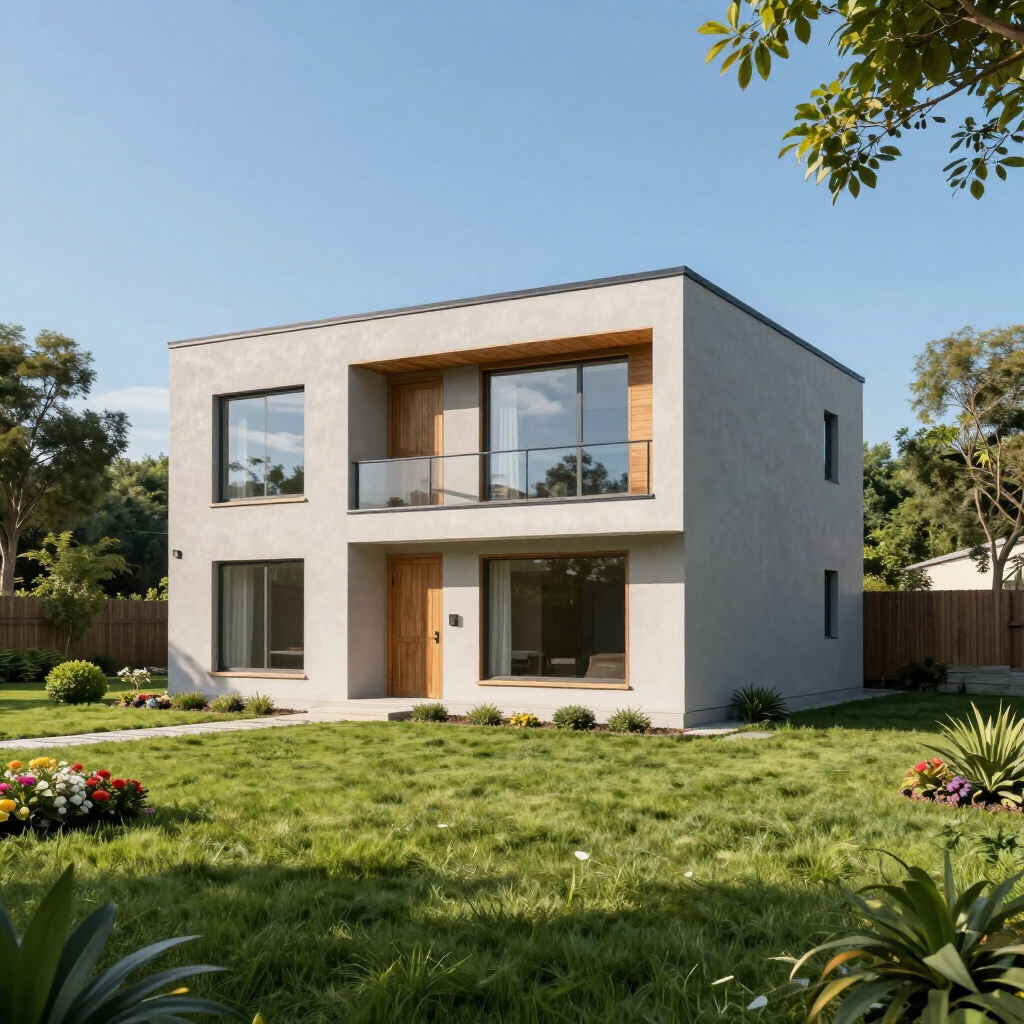
When your family starts outgrowing your current house, you usually face two main choices: build out (an addition) or build separate (an Accessory Dwelling Unit or ADU). A home addition is physically attached to your primary residence, sharing walls, a foundation, and often HVAC systems. It’s an extension of your current life, whether that’s a new primary suite, an expanded kitchen, or a second-story bump-out.
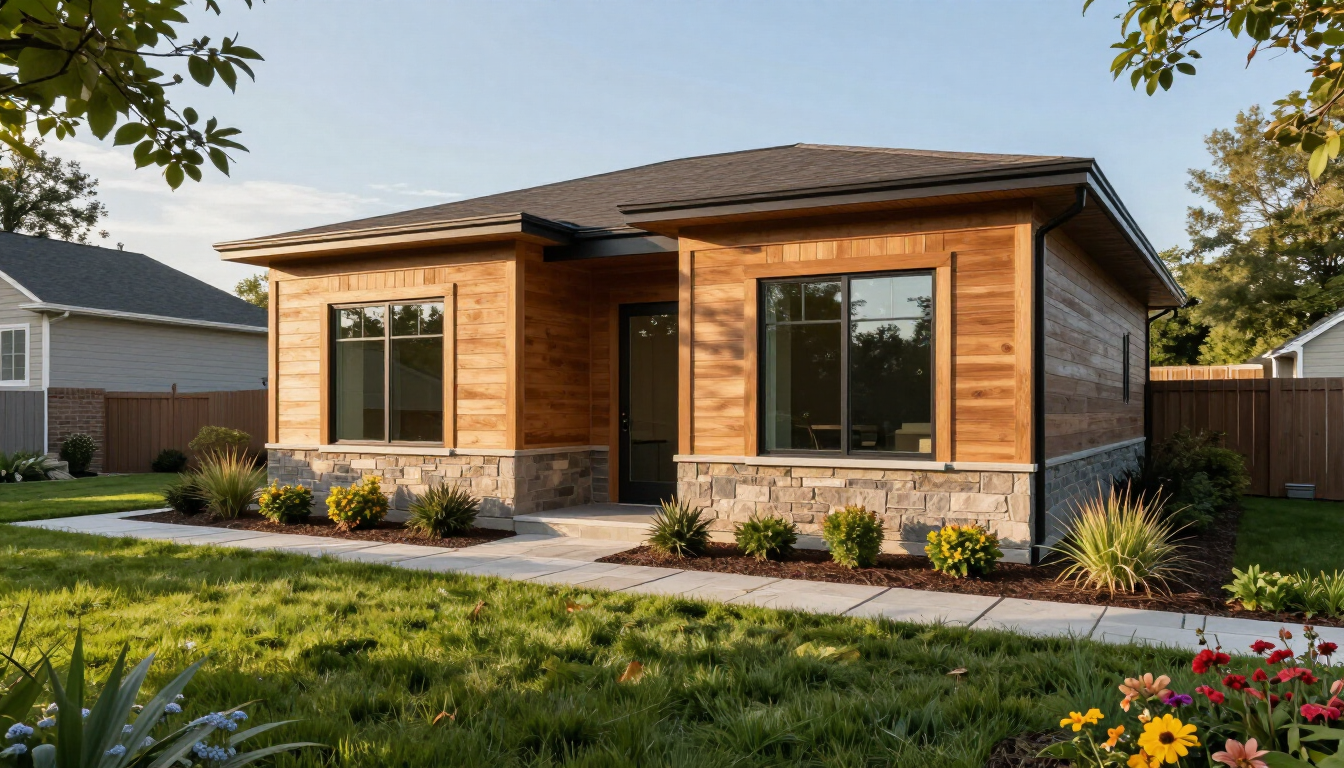
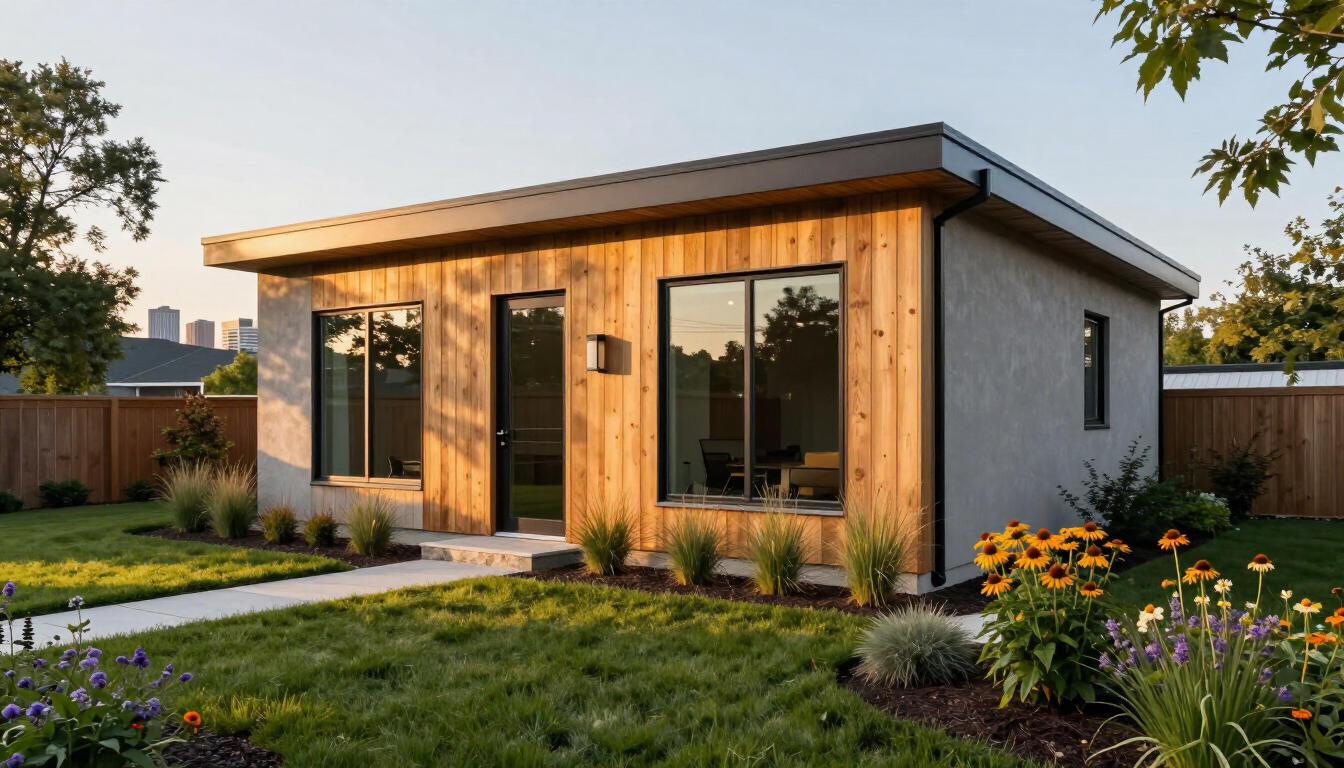
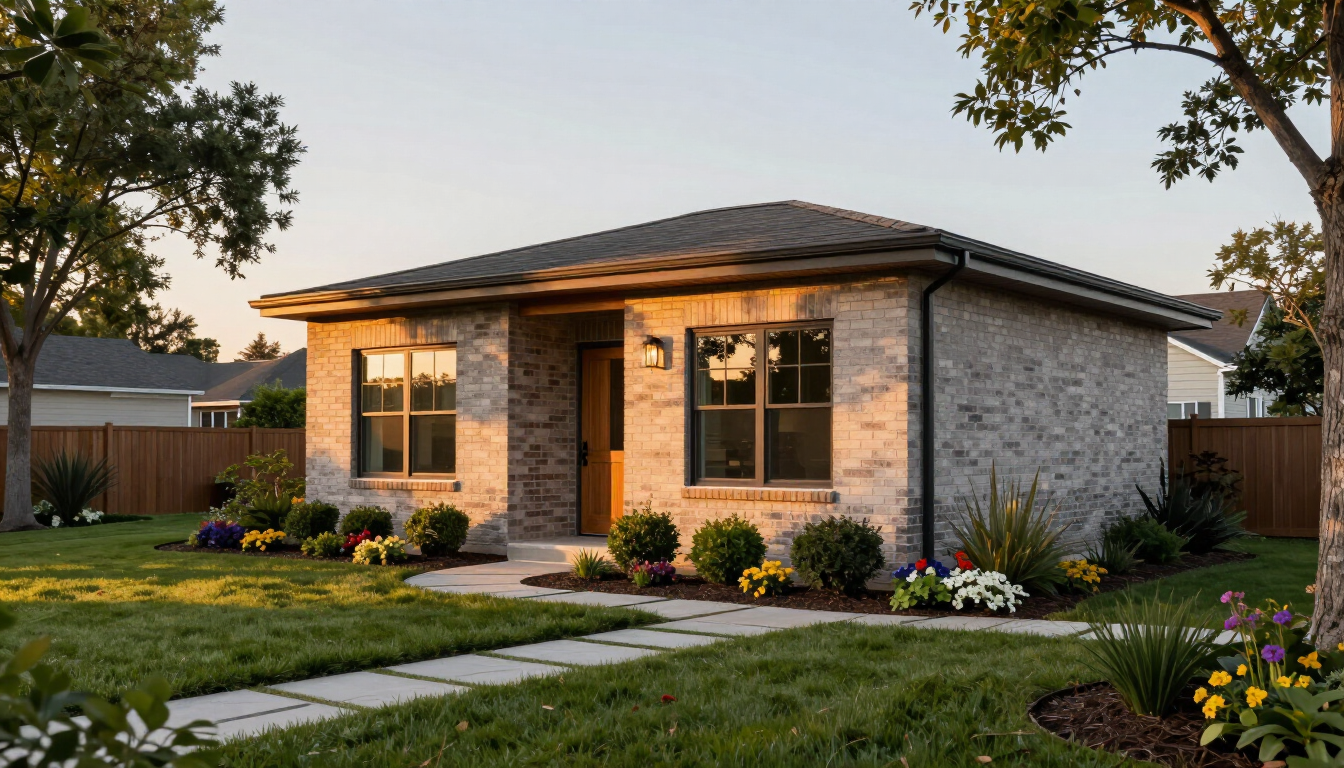
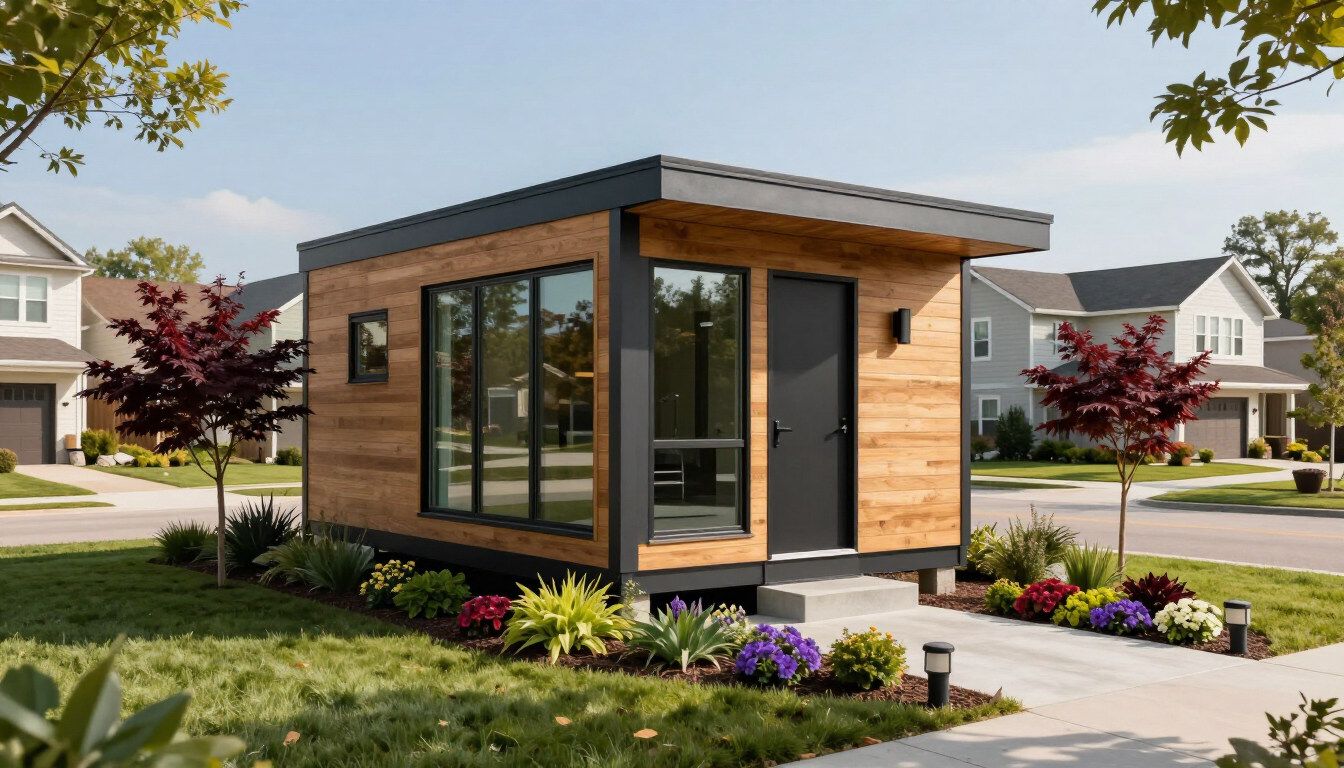
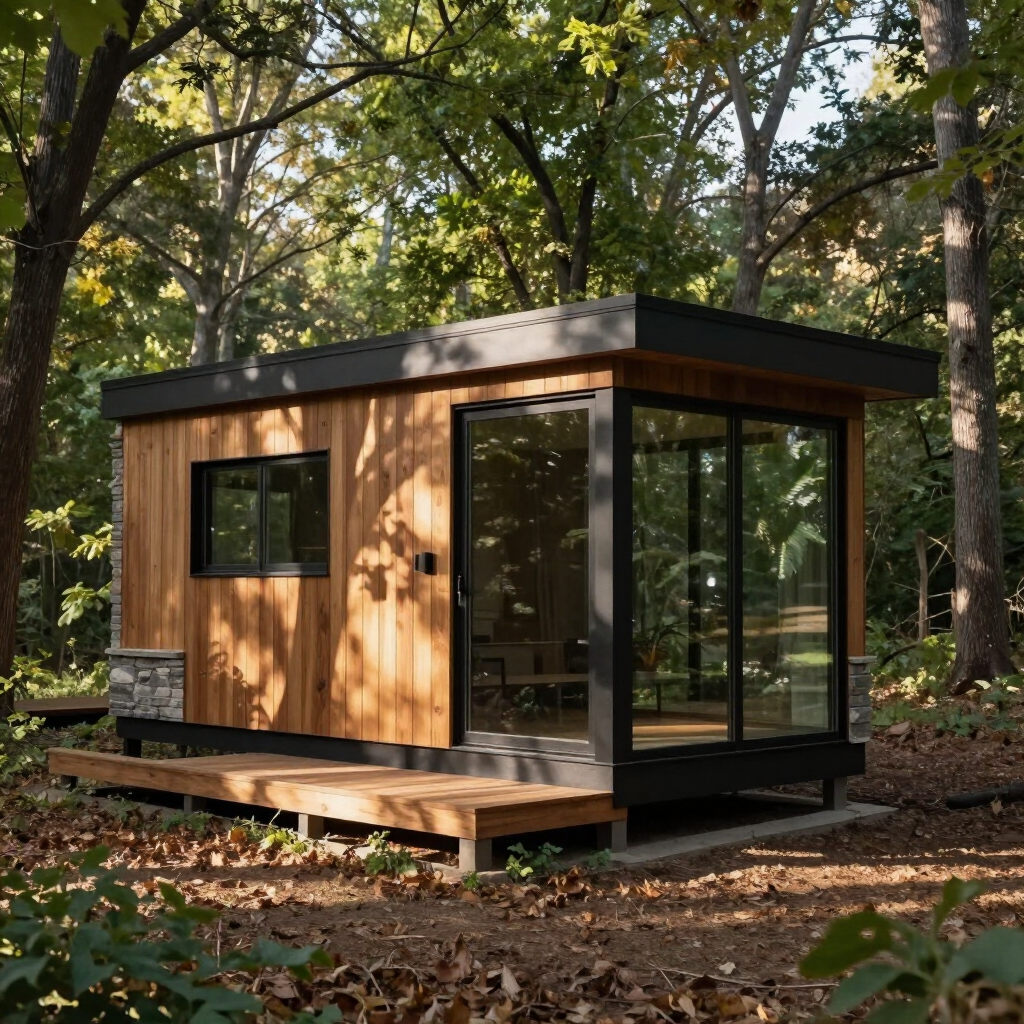
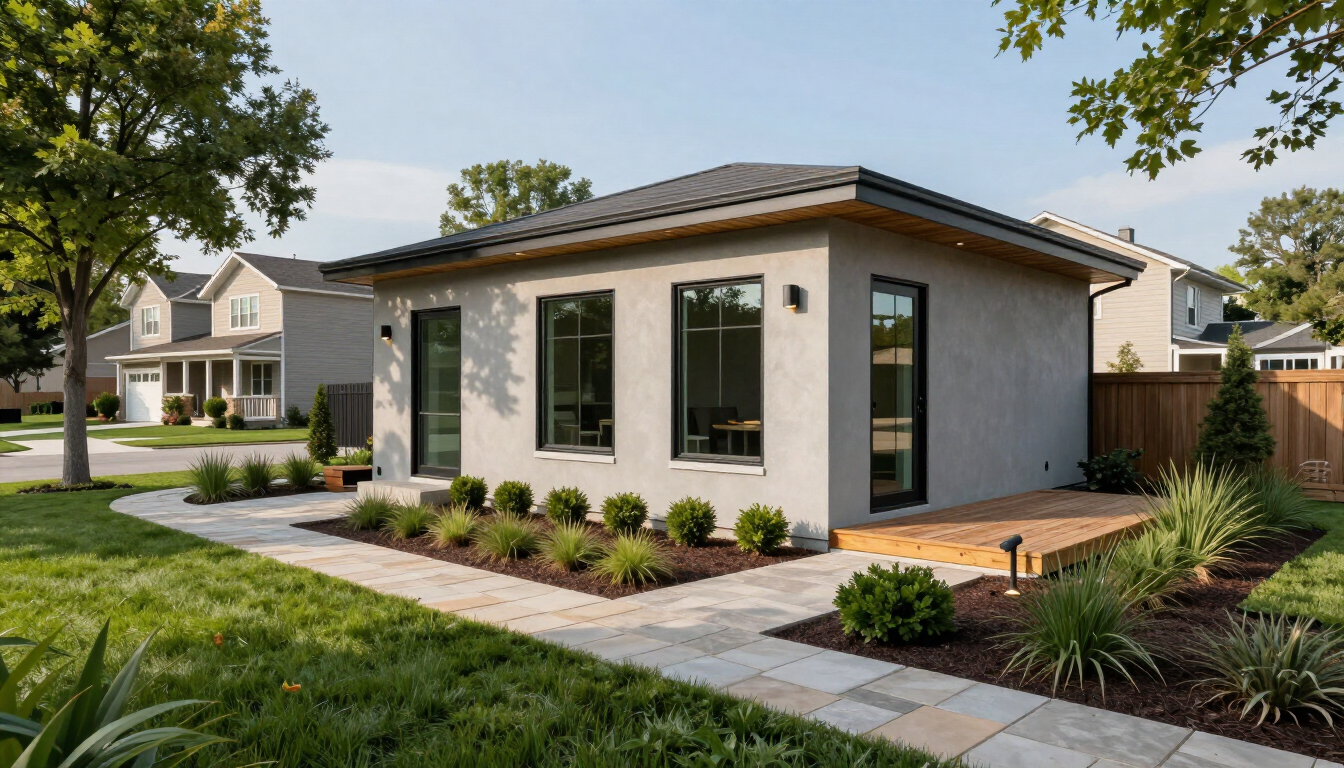
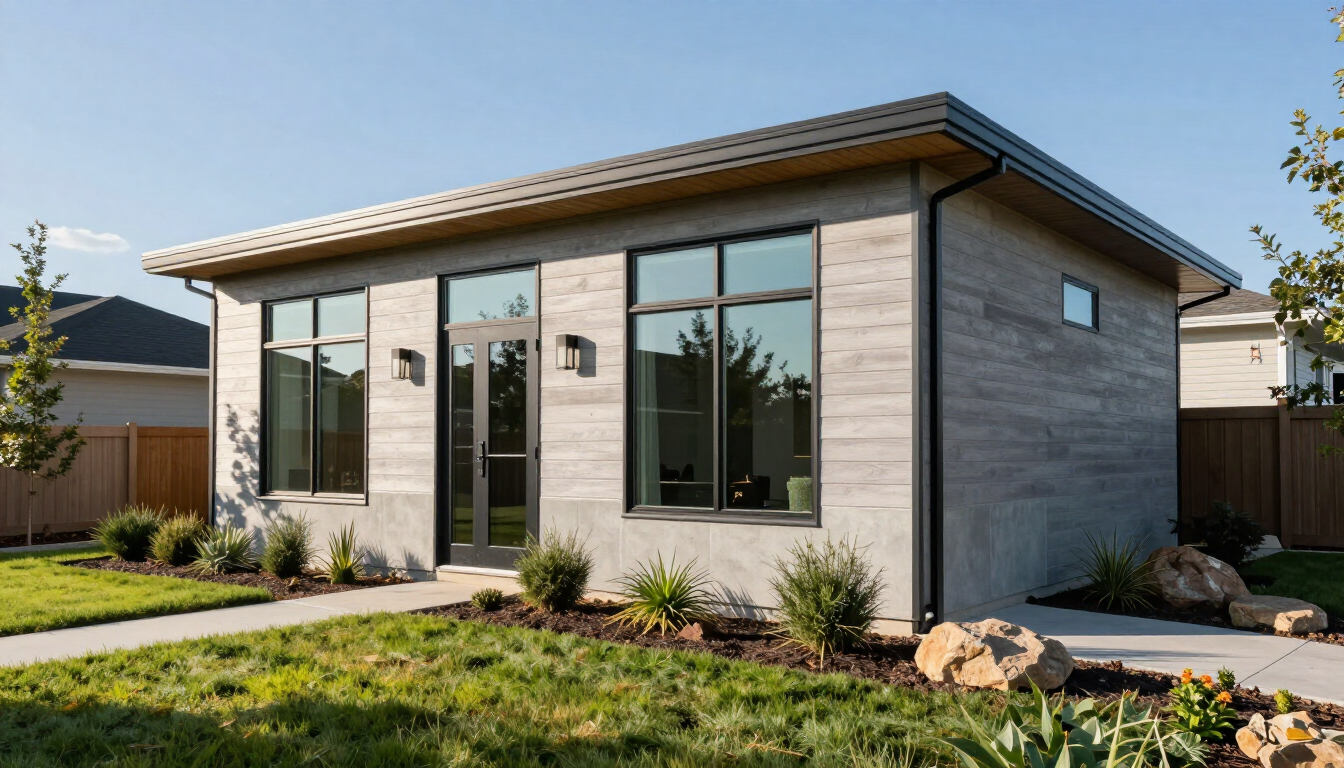
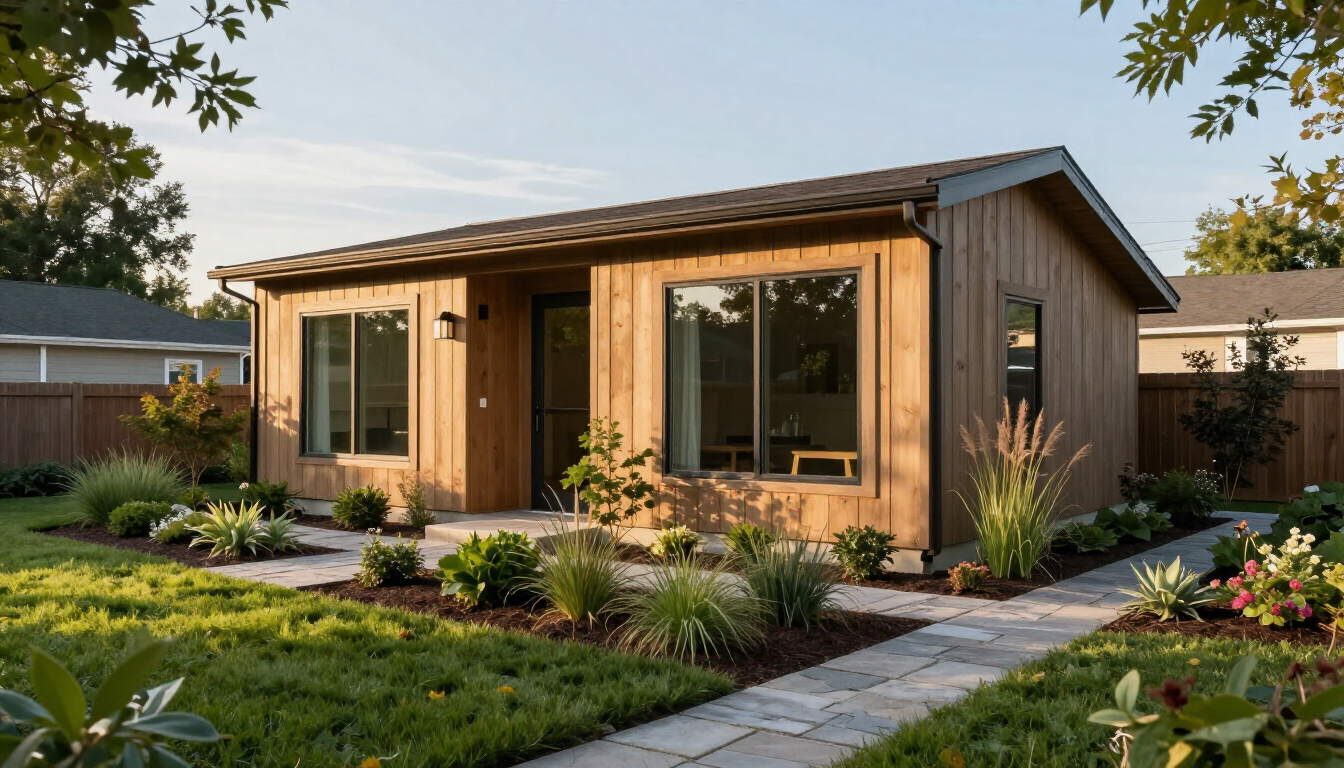
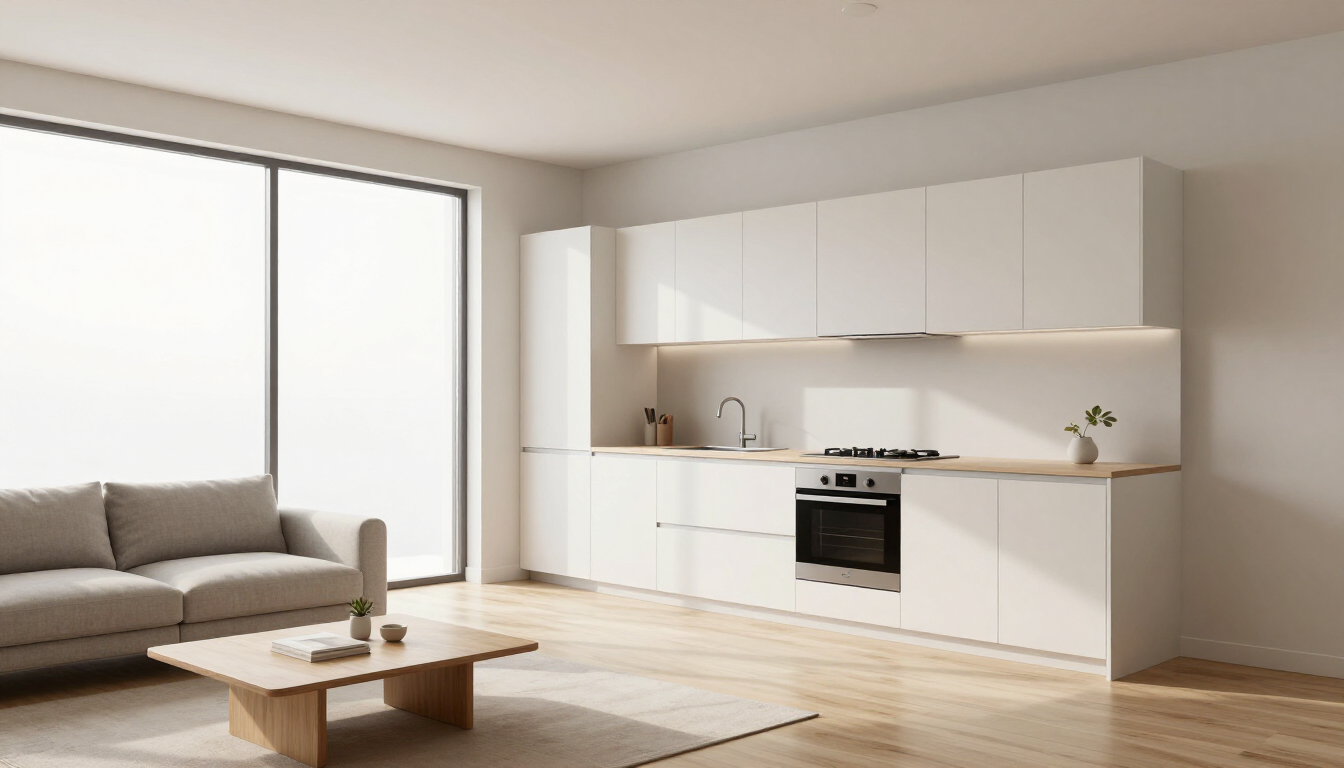
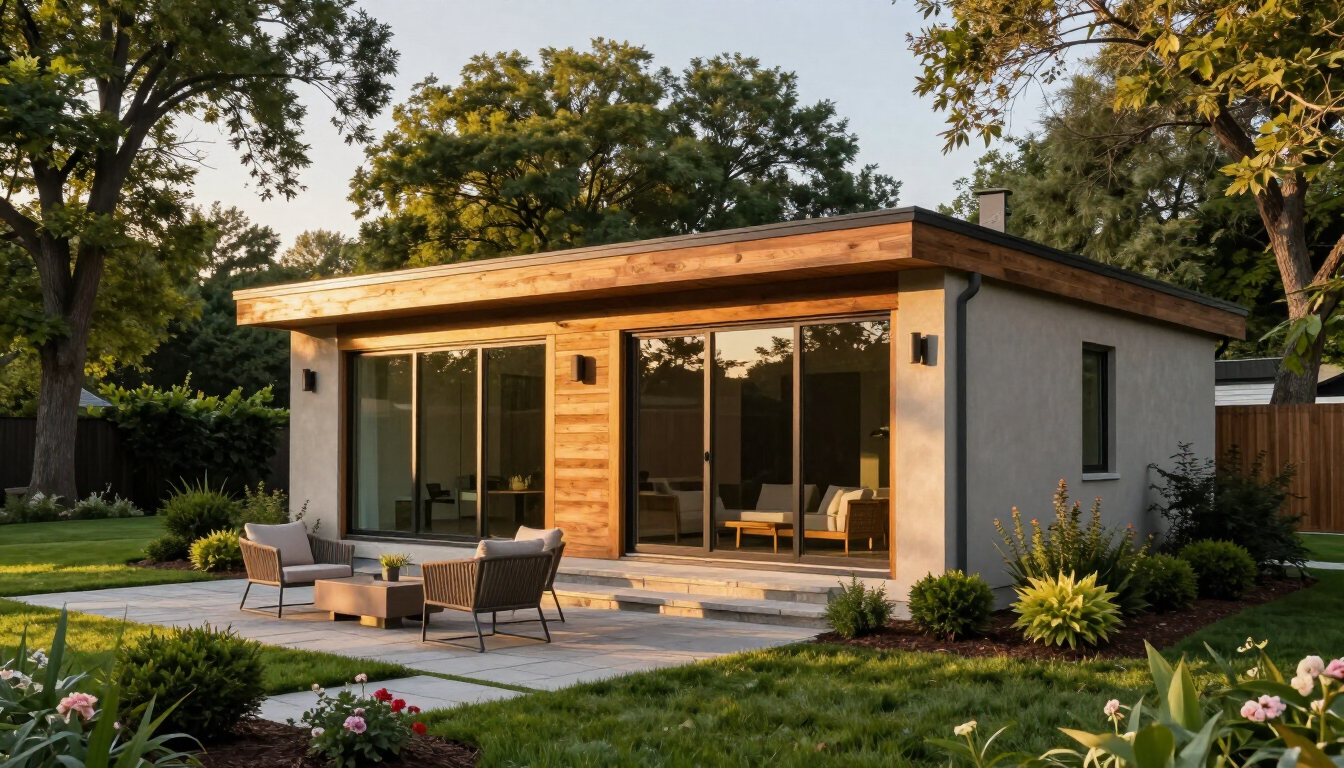
On the other hand, a backyard ADU is a detached structure—essentially a tiny home on a permanent foundation—located on the same lot. It has its own entrance, kitchen, bathroom, and living space. In the Kansas City Metro, we see more families leaning toward ADUs because they offer a level of flexibility that an extra bedroom simply can’t match. You aren’t just adding a room; you’re adding a second independent dwelling.
Primary benefits of building a backyard ADU
Choosing a detached ADU over a traditional addition comes with several strategic advantages, especially for homeowners in the KC area. Here are the top reasons why our clients choose the build-to-order ADU route:
- Total Privacy: Because it’s a separate building, guests or family members have their own space, and you keep yours.
- Rental Income: ADUs are much easier to list as long-term or short-term rentals compared to a basement suite or a spare bedroom.
- Less Household Disruption: Construction happens in the backyard rather than inside your living room. You won't have to live in a dust zone for six months.
- Future Flexibility: An ADU can start as a home office, transition into a guest house, and eventually become a downsized home for you in retirement.
- Property Value: Adding a second legal dwelling unit is a massive selling point for future buyers looking for multi-generational living options.
If you want to see what these look like in practice, take a look at our Project Gallery to explore various styles and layouts we’ve completed.
Is a backyard ADU cheaper than a home addition?
This is the most common question we hear, and the answer is: it depends on the scope. Generally, a simple home addition might have a lower entry price if you are just adding a single room without plumbing. However, once you add a bathroom and a kitchen—which are standard in an ADU—the costs begin to level out.
With a home addition, you often run into "hidden" costs like tying into old electrical systems, reinforcing existing foundations, or matching expensive exterior masonry. A backyard ADU, while requiring its own foundation and utility lines, is a fresh start. Because Tiny Terra Homes uses a build-to-order process with clear Pricing & Packages , you can often avoid the budgetary "surprises" that come with gutting a 50-year-old house.
Comparing Costs: Key Factors
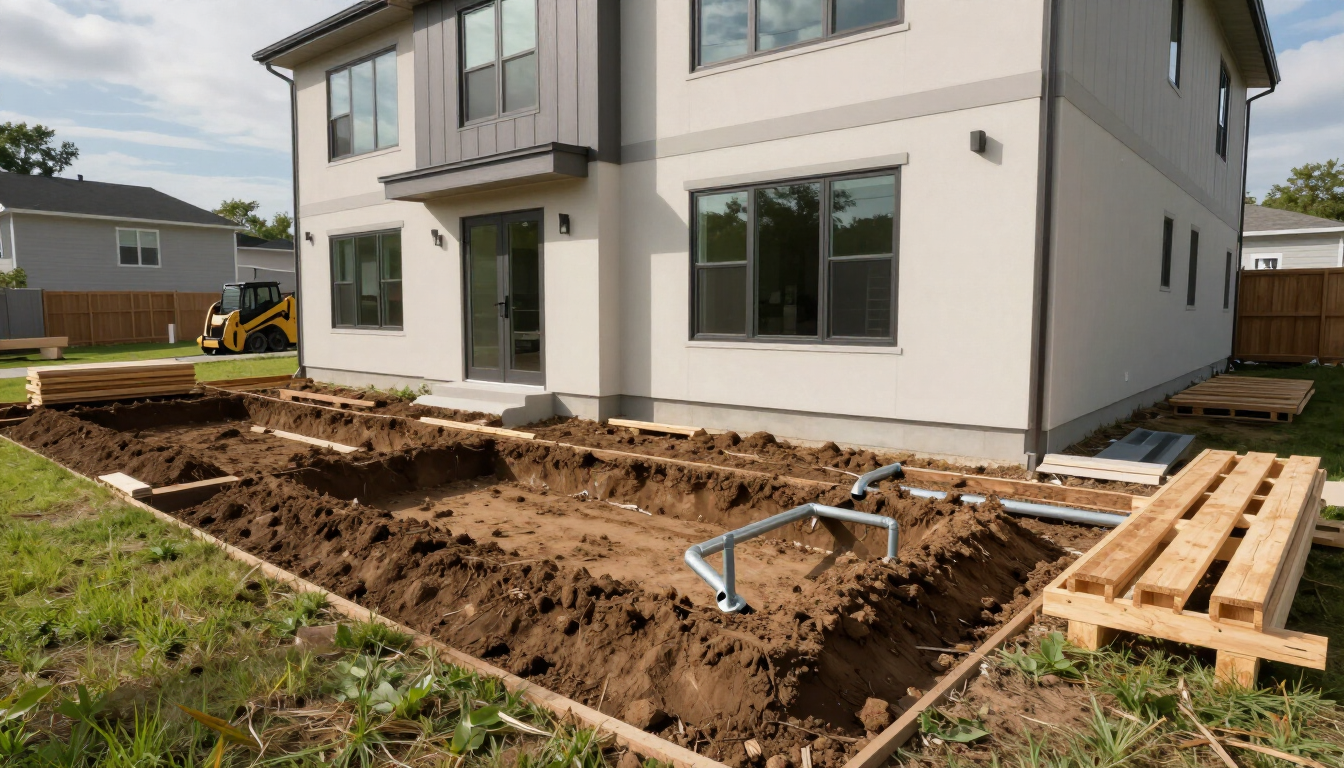
- Utility Hookups: ADUs require new trenching for water and sewer, which can be a significant upfront cost.
- Permitting: Some KC metro cities charge different impact fees for new dwellings versus simple additions.
- Materials: Matching a 1920s brick home for an addition is costly; a modern ADU allows for stylish, cost-effective siding choices.
- Foundation: An ADU needs a full new foundation, whereas some additions can use existing crawlspaces.
Navigating Kansas City permitting and zoning
Permitting is where the backyard ADU vs home addition debate gets technical. In many parts of the Kansas City Metro, zoning laws have recently become more ADU-friendly. However, every city—from Overland Park to Lee’s Summit—has its own set of rules regarding set-backs, height limits, and square footage.
When you build an addition, you are mostly dealing with building codes. When you build an ADU, you are dealing with both building codes and zoning ordinances. The good news? We handle the design guidance and help you navigate the permit maze. We ensure your project meets local requirements so you don’t end up with a structure you can’t legally inhabit. If you're curious about which of our Models fit your specific lot size, we can help you evaluate your backyard space during a consultation.
How long does the build process take?
Timeline is a major factor for families. A home addition often feels like it takes forever because the construction is happening where you eat and sleep. You are constantly seeing the progress—or the lack of it—on a daily basis. Most major home additions take 4 to 9 months, depending on the complexity and weather.
Our custom ADU build process is designed for efficiency. Because we specialize in tiny homes and ADUs, we have a streamlined workflow. Once the design is finalized and permits are in hand, the actual build phase is highly organized. Because the work is detached from your main home, the "stress factor" of having a construction crew on-site is significantly lower. You can go about your day inside while we transform your backyard into a functional living space.
Typical ADU Build Timeline
- Design & Quoting: 1-2 weeks
- Permitting: 4-8 weeks (depending on the city)
- Site Prep & Foundation: 2-3 weeks
- Shell Construction: 4-6 weeks
- Interior Finishing: 6-8 weeks
Deciding which option is right for your family
So, which should you choose? If you need a larger dining room or a bigger kitchen to host holiday dinners, a home addition is your best bet. It improves the flow of your daily life within the house. However, if you need a place for a teenager who wants independence, a quiet office away from the noise of the main house, or a way to generate $1,200+ in monthly rental income, the backyard ADU is the clear winner.
Ask yourself these three questions:
- Do I want to share a wall with the person living in this new space?
- Do I want to deal with a construction crew inside my house for several months?
- Is my long-term goal to increase my property's square footage or its income potential?
If you are looking for privacy, rental income, and a smoother construction experience, a build-to-order ADU is likely the path for you. At Tiny Terra Homes, we focus on making this process as transparent as possible. We provide clear budget ranges and handle the execution from the first stake in the ground to the final coat of paint.
Summary: Key Takeaways
- Privacy: ADUs offer total separation; additions offer integrated space.
- ROI: ADUs provide superior rental potential and high resale value.
- Construction: ADUs keep the mess out of your primary living area.
- Process: We handle the design, permitting, and build for your KC project.
Ready to see what’s possible for your backyard? Get a Quote today, and let’s start planning your new space in the Kansas City Metro.