
Johnson County ADU Permits: Zoning Rules for 2026
Johnson County ADU permits are governed by individual city zoning ordinances rather than a single county-wide rule. While the county handles specific environmental and health codes, cities like Overland Park and Olathe determine their own standards for size, placement, and occupancy for accessory dwelling units and tiny homes.
Why is there so much confusion surrounding Johnson County ADU permits?
If you live in the Kansas City Metro, specifically on the Kansas side, you have likely noticed that what is perfectly legal in one neighborhood is strictly prohibited just two blocks away. This frustration stems from the concept of "Home Rule" in Kansas. Home Rule allows cities to exercise a significant amount of local self-government, including the creation of their own unique zoning laws. For homeowners in Johnson County, this means that a single set of blueprints for a tiny home might be approved instantly in one municipality but face a mountain of bureaucratic red tape in another.
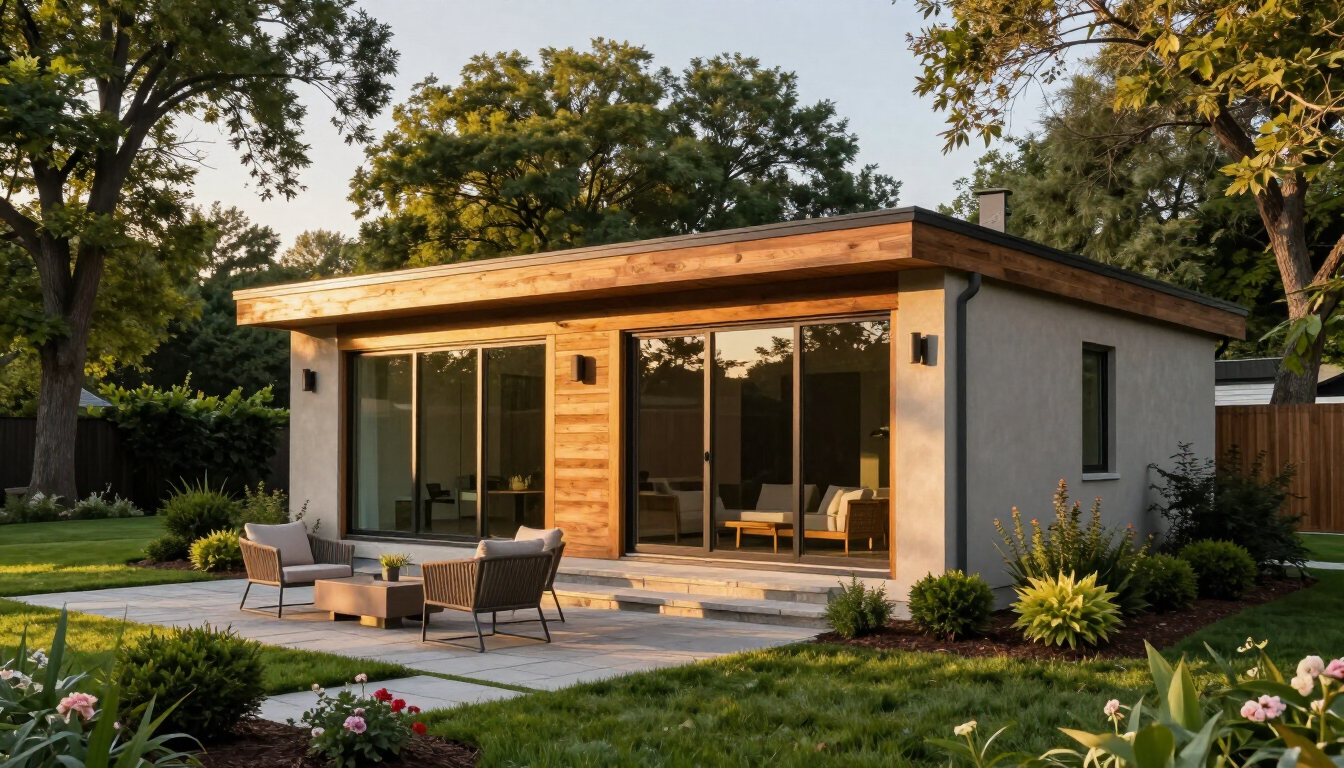
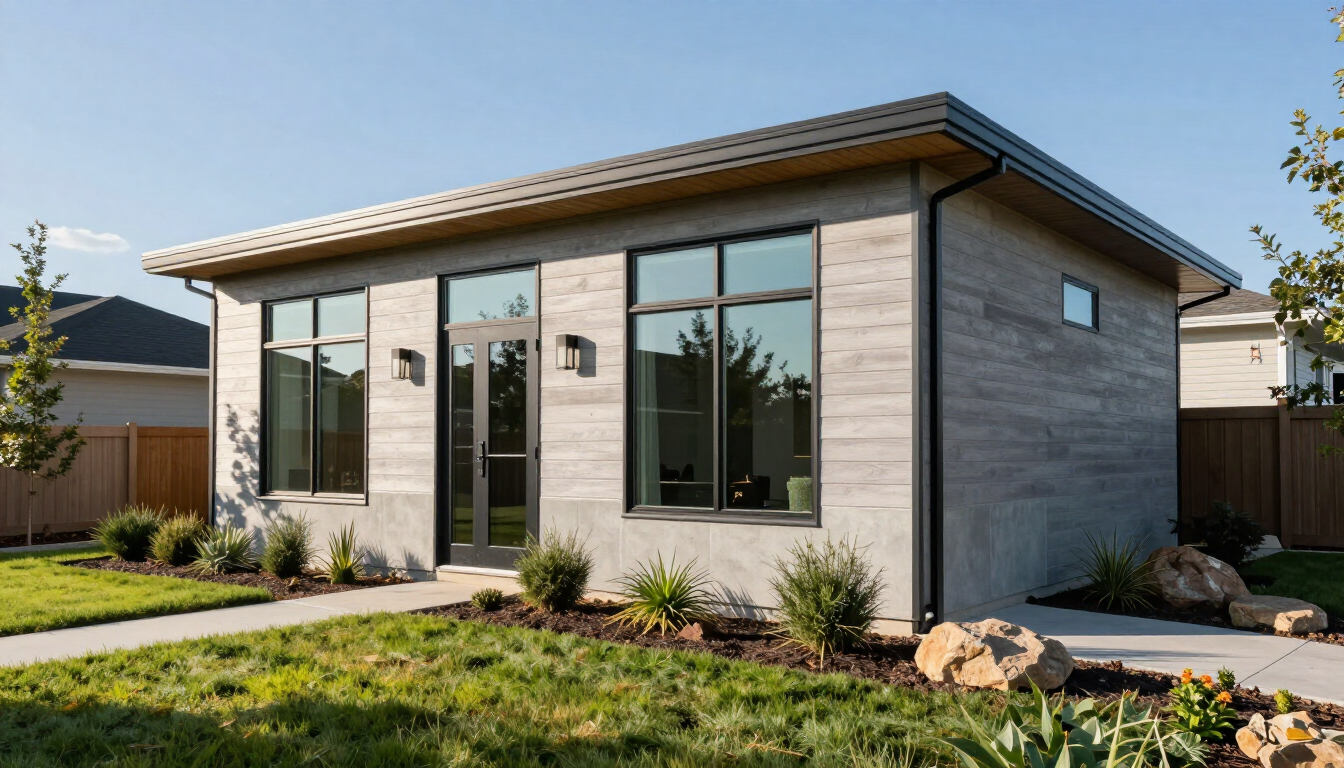
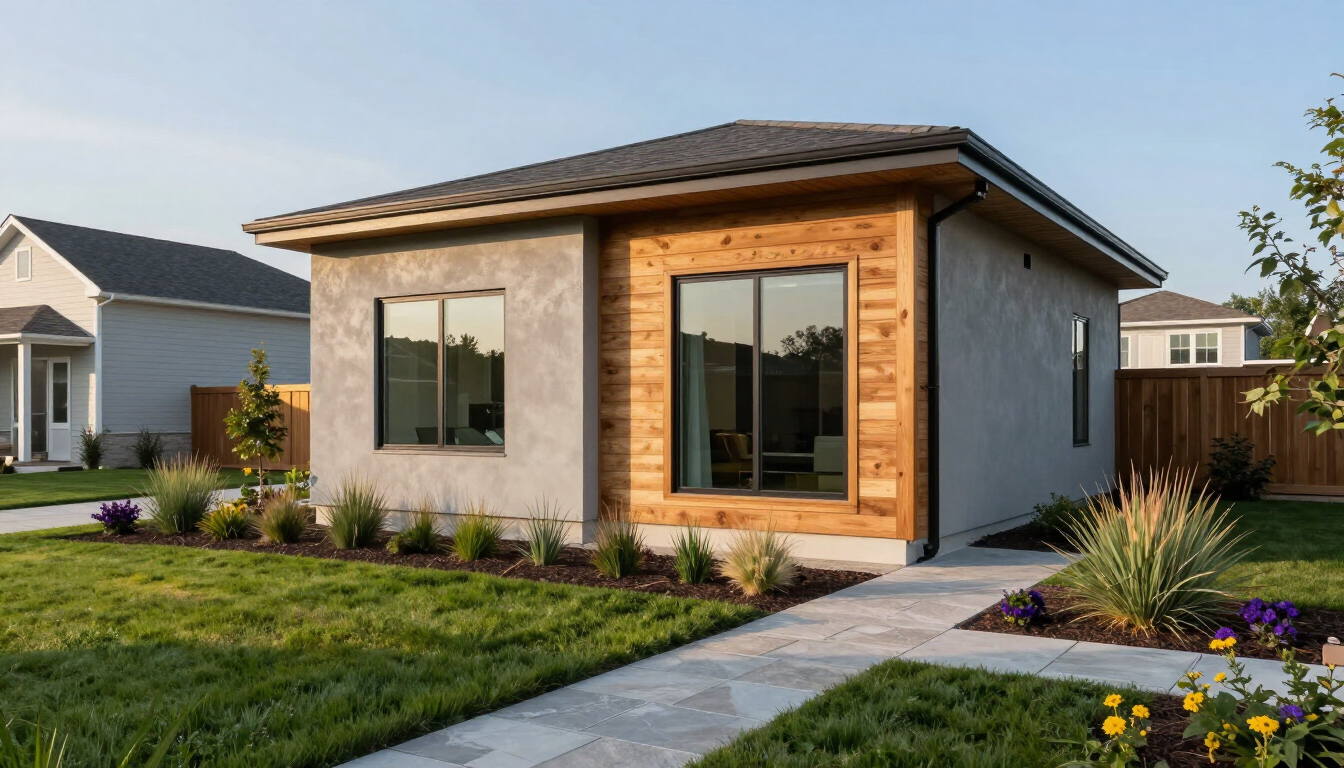
When we talk about an Accessory Dwelling Unit (ADU)—often called a carriage house, granny flat, or backyard cottage—we are looking at a secondary housing unit on a single-family residential lot. Because Johnson County is a patchwork of distinct cities, the definition of what constitutes a legal ADU shifts constantly. Some cities view these units as a way to increase housing density and provide affordable options for aging parents, while others worry about the impact on neighborhood character and parking. This ideological split is exactly why your neighbor in Mission might have a different experience than your friend in Shawnee.
Navigating these requirements requires a deep understanding of local code. At Tiny Terra Homes, we specialize in helping homeowners translate these complex rules into a clear buildable plan. Whether you are looking for an ADU Builder in Overland Park, KS or exploring options elsewhere, the first step is always understanding the soil you are building on—metaphorically and literally.
Why do ADU rules change between Overland Park and Olathe?
Overland Park and Olathe are the two largest cities in the county, yet their approach to Johnson County ADU permits could not be more different. Overland Park has traditionally been quite protective of its residential zoning. However, in recent years, there has been a shift toward allowing ADUs under specific conditions. In Overland Park, the focus is often on the "accessory" nature of the building. It cannot overshadow the primary residence, and there are strict rules about who can live there. Often, these units are restricted to family members or caregivers, and short-term rentals (like Airbnb) may face additional scrutiny.
In contrast, Olathe has its own set of nuances. As an ADU Builder in Olathe, KS , we often find that the city’s Unified Development Ordinance provides pathways for detached structures, but the square footage limitations are a frequent hurdle. Olathe typically calculates the allowable size of an ADU based on a percentage of the primary home's footprint or the total lot coverage. If you have a smaller lot, your dreams of a 700-square-foot cottage might be capped at 400 square feet by the city planners.
Key differences between these two cities often include:
- Setback Requirements : How far the unit must be from the property line.
- Architectural Matching : Requirements for the ADU to look like the main house.
- Utility Connections : Whether the unit needs its own water meter or can tap into the existing line.
- Owner Occupancy : Requirement for the owner to live in either the main house or the ADU.
Because these rules are updated frequently, checking the current Pricing & Packages for a build is only helpful once we know which city's rulebook we are playing by. We recommend starting with a clear site plan to avoid costly design revisions later in the process.
What are the tiny home requirements in Prairie Village?
Prairie Village has become a focal point for the ADU conversation in Johnson County. Known for its charming, established neighborhoods and smaller lot sizes, the city has faced significant internal debate over "attainable housing." For a long time, building a secondary unit here was nearly impossible due to strict zoning. However, the conversation is evolving. If you are looking for an ADU Builder in Prairie Village, KS , you need to be aware that the city places a premium on aesthetic harmony.
In Prairie Village, tiny homes on foundations must often meet very specific height restrictions to ensure they don't block the sunlight or views of neighboring properties. There is also a significant emphasis on drainage. Because many parts of the city have experienced issues with runoff, any new impervious surface (like a concrete foundation for a tiny home) must include a professional drainage plan. This can add a few thousand dollars to your pre-construction costs, but it is a non-negotiable part of the permit process.
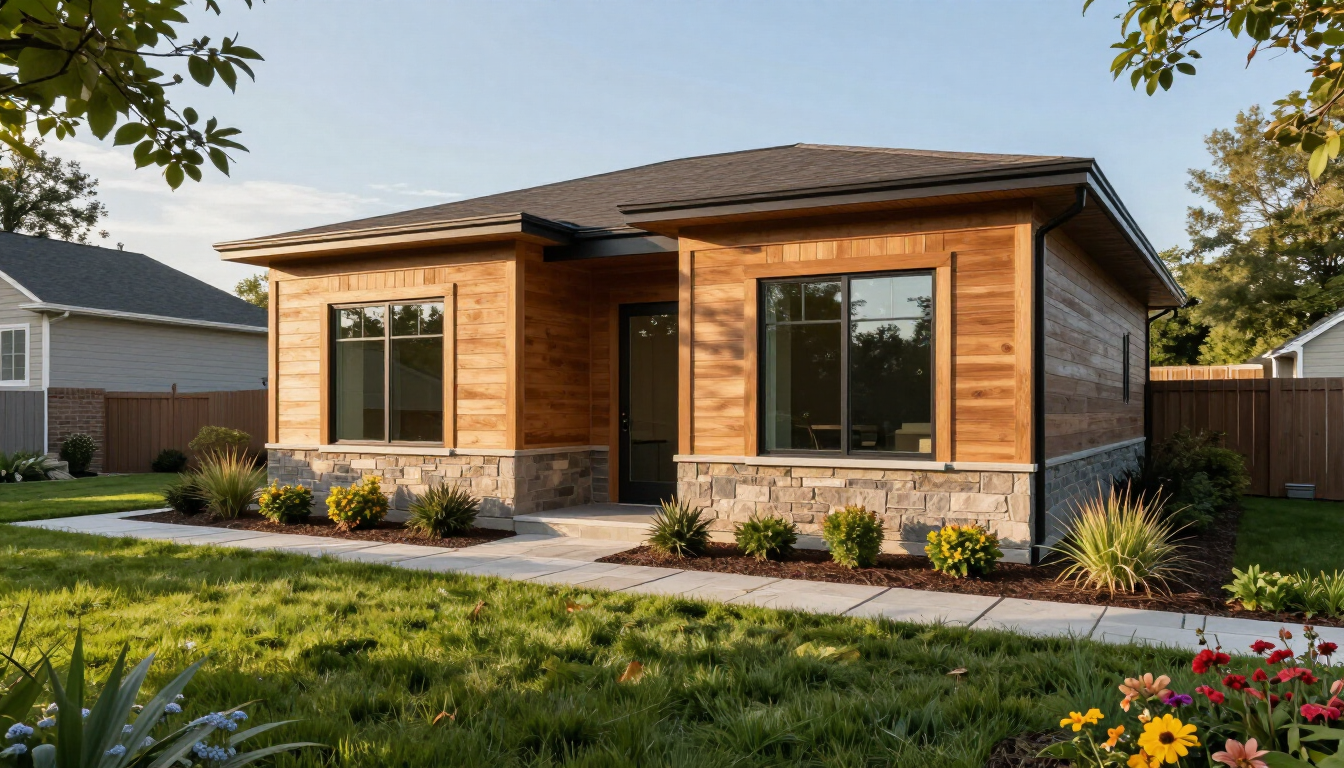
Unlike more rural areas where you might get away with a "tiny home on wheels," Prairie Village almost exclusively requires permanent foundations. This means the unit must be tied into the city's sewer and electrical grid just like a standard home. While this increases the upfront investment, it also ensures the unit adds significant value to your property appraisal. To see how these units look when finished, you can browse our Project Gallery for examples of high-end, permanent small-scale builds.
Navigating the Lenexa and Shawnee Zoning Maze
Moving westward into Lenexa and Shawnee, the landscape changes again. Lenexa is known for being a very "planned" city. Their permitting process is thorough and professional, but they expect high-quality submissions. If you are working with an ADU Builder in Lenexa, KS , your plans will likely go through a multi-departmental review. They look closely at fire safety, specifically the distance between the ADU and the primary house. If the buildings are too close, you may be required to use fire-rated materials on the exterior walls, which can impact your choice of siding.
Shawnee, on the other hand, offers a bit more variety in its zoning districts. Some areas are more rural, allowing for larger detached buildings, while the more suburban areas have tighter restrictions. The challenge in Shawnee often lies in the "use" of the building. Is it an ADU, or is it a "pool house"? The distinction matters because a building with a full kitchen is often classified differently than one with just a wet bar. In many Johnson County cities, adding a full stove is the line that triggers the "dwelling unit" classification and all the associated permit hurdles.
Foundations vs. Wheels: The Great Debate
One of the most common questions we receive is whether a homeowner can simply park a tiny home on wheels in their backyard. In almost every major city in Johnson County—including Mission, Roeland Park, and Fairway—the answer is generally "no" for permanent residency. These cities typically classify tiny homes on wheels as Recreational Vehicles (RVs). Local ordinances usually prohibit living in an RV on a residential lot for more than a few days.
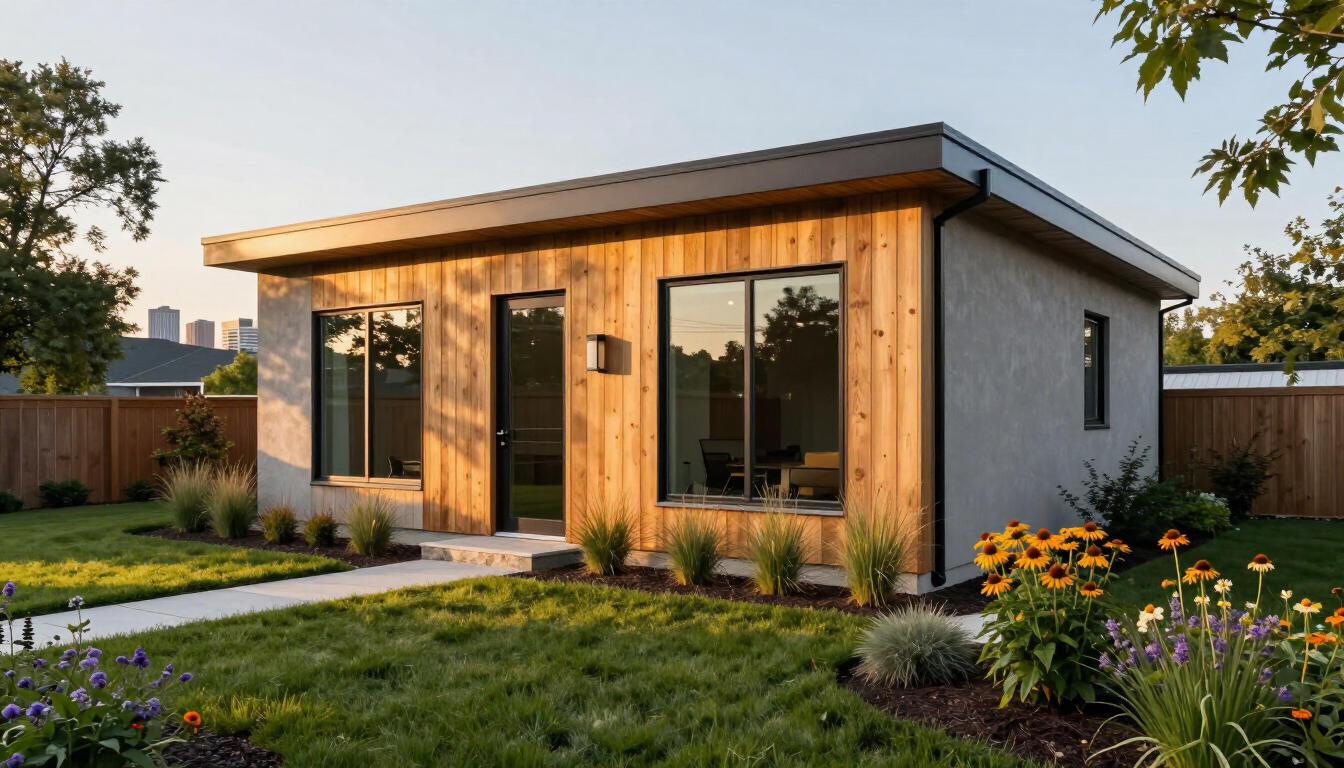
To secure a long-term Johnson County ADU permit, you almost always need to build on a permanent foundation. This classifies the structure as a "dwelling," making it legal for year-round habitation. This is a core part of our "build-to-order" philosophy at Tiny Terra Homes. We focus on foundation-based units because they provide the legal security and longevity our clients need.
How do I start the permit process in Johnson County?
The permit process can feel overwhelming, but it follows a logical path if you have the right guidance. Don't start by buying a set of plans online; start by talking to your local planning department or a builder who knows the area. Every city has a "duty officer" or a planner of the day who can answer basic questions about your specific address.
Here is the typical path we follow at Tiny Terra Homes:
- Feasibility Study : We check your specific lot for setbacks, easements, and utility access.
- Concept Design : Creating a footprint that fits both your needs and the city’s size limits.
- Site Plan : A professional drawing showing exactly where the unit sits on your land.
- Engineering : Ensuring the structure meets Kansas building codes for wind and snow loads.
- Submission : Filing the paperwork with the city and managing the back-and-forth communication.
If you're ready to see what's possible on your property, the fastest way to get clarity is to Request a Quote directly from our team. We can often tell you within minutes if your city is ADU-friendly or if you'll be facing an uphill battle.
Essential Checklist for Your JoCo Build
Before you get too deep into the design phase, run through this quick checklist to see if your property is a good candidate for an ADU or tiny home:
- Check your HOA : Even if the city says yes, your Homeowners Association might say no. HOA rules are private contracts and can be even stricter than city zoning.
- Find your property pins : You need to know exactly where your property lines are to calculate setbacks.
- Identify easements : You cannot build over a utility easement (where power or water lines run underground).
- Calculate Lot Coverage : Most cities limit the percentage of your yard that can be covered by buildings and concrete.
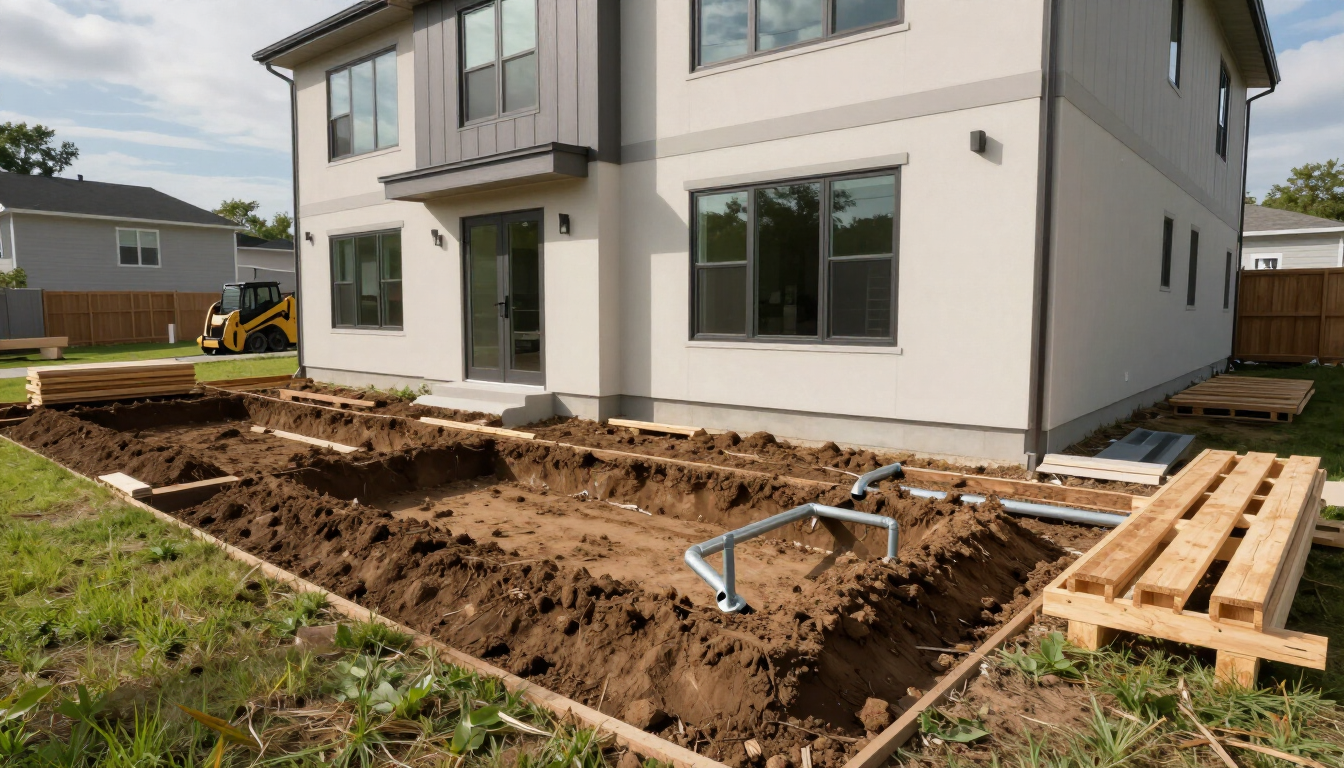
- Plan for Utilities : Will you need to dig a new trench for sewer and water? This is a major factor in your total budget.
Summary of Johnson County ADU Requirements
In summary, building an ADU in Johnson County is a highly localized process. While the dream of a backyard tiny home is more achievable now than it was five years ago, success depends on navigating the specific rules of cities like Overland Park, Olathe, and Lenexa. Each municipality has its own vision for housing density, aesthetic standards, and utility requirements. Attempting to bypass these permits can lead to fines or the forced removal of the structure, so doing things the right way from the start is essential.
Final Takeaways:
- City over County : Your city’s zoning office is the ultimate authority on your build.
- Foundation is King : Permanent foundations are required for legal residency in most JoCo cities.
- Plan for Infrastructure : Utilities and drainage are often the most complex parts of the permit process.
- Professional Help Matters : Working with a builder experienced in the KC Metro saves months of delays.
Ready to stop guessing and start building? At Tiny Terra Homes, we provide the design guidance and build execution you need to navigate the Johnson County ADU permit maze. Whether you need a space for family, a home office, or a rental unit, we help you build with confidence. Contact us today to discuss your project and get a realistic estimate of your timeline and budget.