7 ADU Financing Options: How to Fund Your Tiny Home

July 22, 2026

Share this article

Financing an Accessory Dwelling Unit (ADU) involves leveraging home equity through HELOCs or home equity loans, securing specialized construction loans, or utilizing personal funds and cash-out refinancing. These ADU financing options allow homeowners to build secondary suites without needing the entire construction budget available in upfront cash.

Building an ADU or a tiny home in the Kansas City Metro is an exciting venture that adds significant value to your property. However, the biggest hurdle for most homeowners isn't the design or the permits—it’s the funding. While some may have the liquid cash ready to go, many others need to look at strategic ways to spread the cost or leverage their existing assets. At Tiny Terra Homes, we see homeowners successfully use a variety of financial tools to bring their backyard dreams to life. Whether you are looking for a rental income property or a space for aging parents, understanding your money moves is step one.

What are the best ADU financing options in 2026?

As we look at the current financial landscape, the "best" option depends entirely on your current equity, your credit score, and how quickly you want to move. In 2026, the market has become more accustomed to ADUs, meaning lenders are more comfortable with these projects than they were five years ago. This shift has opened up more competitive rates and specialized products tailored for "missing middle" housing.

For most residents in the Kansas City area, the top choices revolve around the equity already sitting in their primary residence. Because property values in the Metro have seen steady growth, many homeowners are sitting on a gold mine of equity that can be tapped into. Beyond equity, government-backed programs and private personal loans offer paths for those who might not want to touch their primary mortgage. It is essential to weigh the interest rates against the potential return on investment, especially if the ADU will be used as a rental unit.

When evaluating ADU financing options, consider these primary factors:

  • Your current mortgage interest rate.
  • The total amount of equity available in your home.
  • Your monthly debt-to-income (DTI) ratio.
  • The projected increase in property value after the build.
  • Your long-term plans for the property.
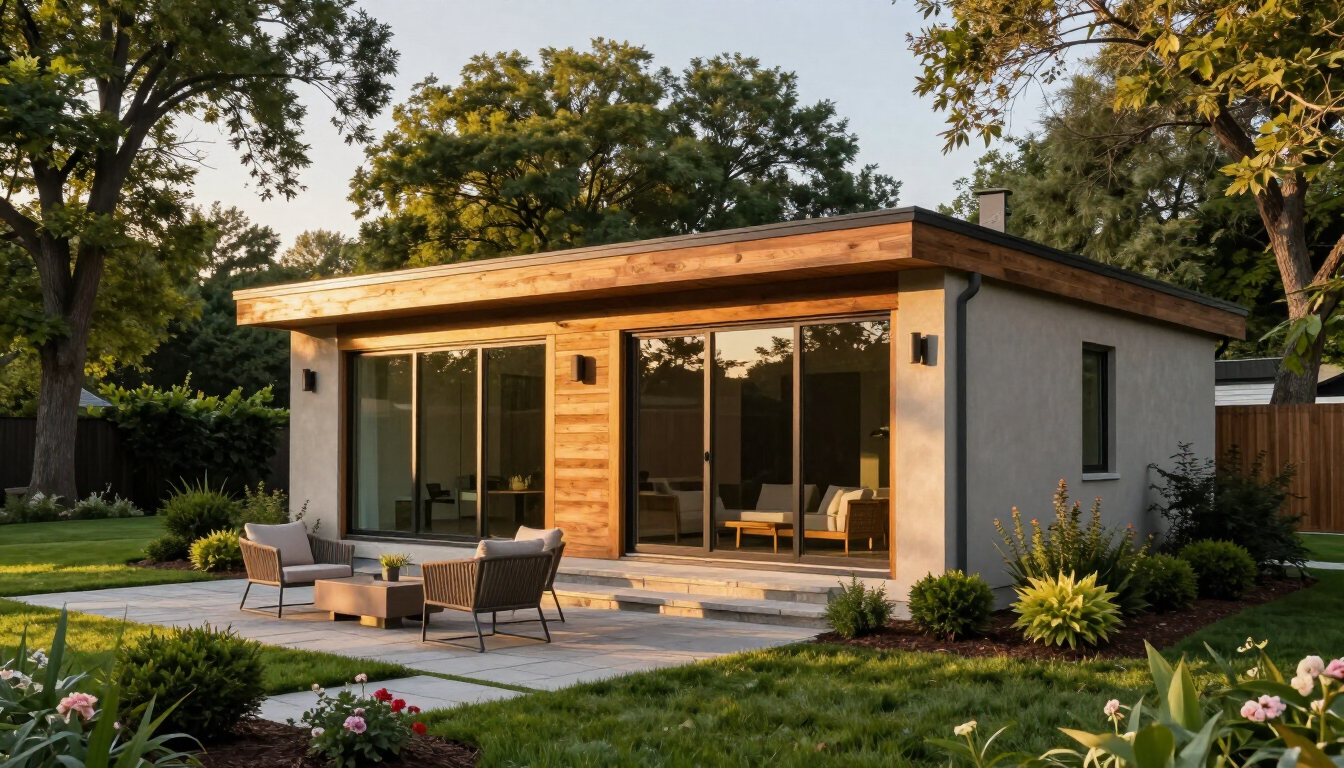
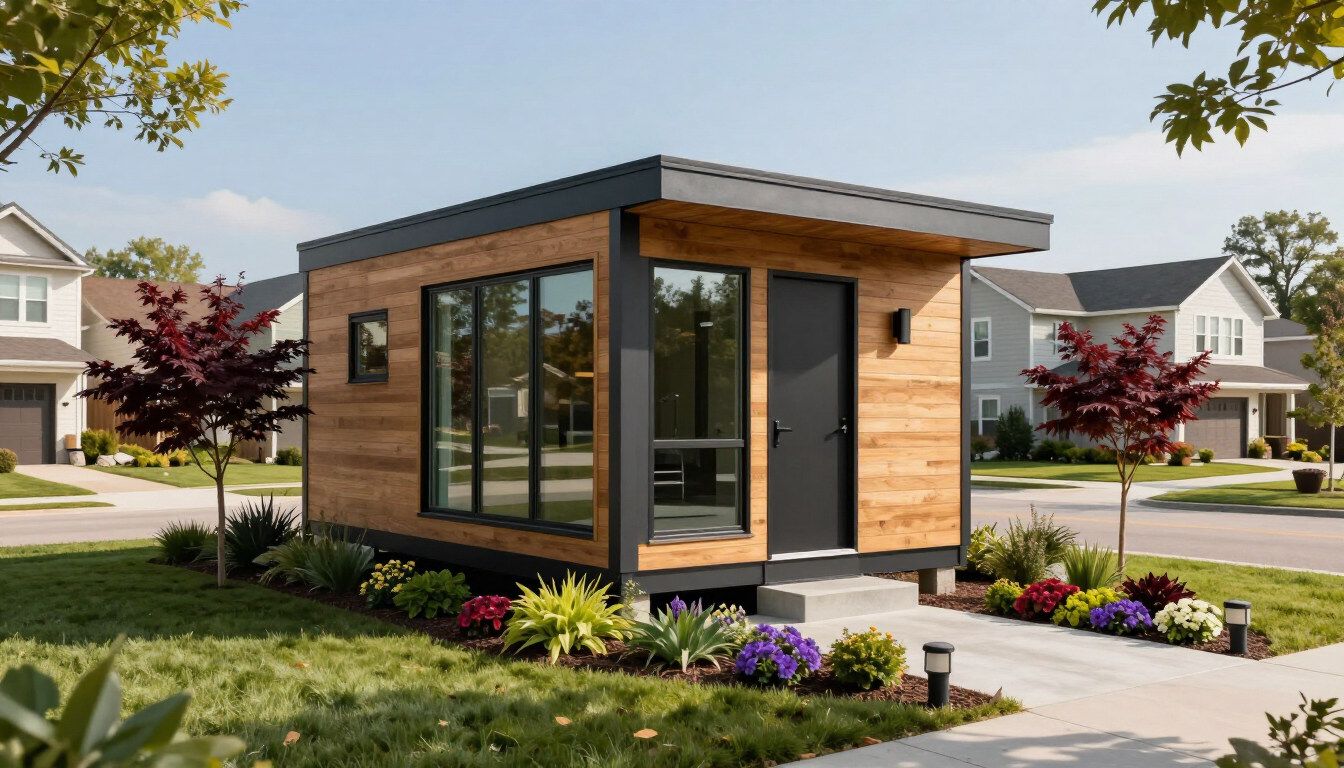
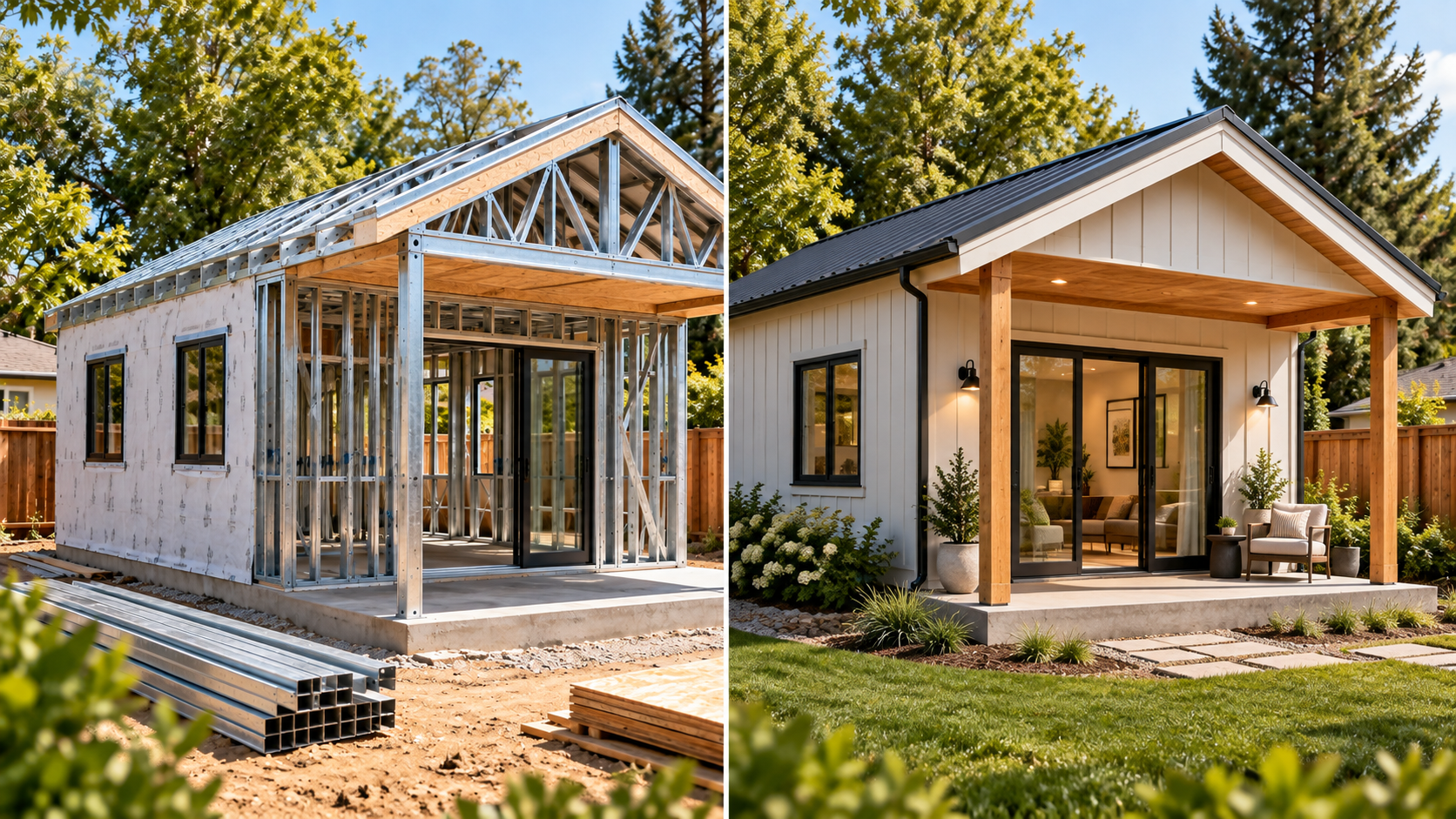
Modern Backyard ADU

Comparing HELOCs vs. Home Equity Loans for ADUs

These two options are the heavy hitters in the world of home improvements. While they both use your home as collateral, they function very differently in practice. A Home Equity Line of Credit (HELOC) works much like a credit card. You are approved for a maximum amount, and you draw from it as you need it. This is particularly useful for ADU projects where costs are spread out over several months of construction. You only pay interest on the money you’ve actually spent.

On the flip side, a Home Equity Loan provides a lump sum of cash all at once. This is often preferred by homeowners who want a fixed interest rate and a predictable monthly payment. In a fluctuating market, the stability of a fixed-rate loan can offer peace of mind. If you have a clear Pricing & Package in mind, a lump sum might be the way to go because you know exactly what the project will cost from start to finish.

Key differences to remember:

  • HELOCs usually have variable interest rates.
  • Home Equity Loans offer fixed monthly payments.
  • HELOCs allow for flexible spending during construction.
  • Home Equity Loans are better for projects with fixed costs.
  • Both require a significant amount of equity (usually 15-20%).

How do ADU construction loans work?

If you don’t have enough equity in your home yet, or if you’re buying a property specifically to add an ADU, a construction loan might be your best bet. Unlike a standard home loan, a construction loan is based on the future value of the property once the ADU is completed. This is a game-changer for many homeowners in the KC Metro who are just starting out or have recently purchased their primary home.

Lenders will typically require a detailed set of plans, a contract with a builder like Tiny Terra Homes, and a professional appraisal that estimates the post-construction value. The loan is usually paid out in "draws" to the builder as specific milestones are met—such as the foundation being poured, the framing being completed, and the final inspection. This protects both the lender and the homeowner by ensuring the work is actually being done before the funds are released.

Benefits of construction-to-permanent loans:

  • They factor in the value the ADU adds to the home.
  • Interest-only payments are often available during construction.
  • They convert to a traditional mortgage once the build is done.
  • They provide a structured oversight of the building process.
  • They are ideal for large-scale, turnkey ADU projects.

Can I use cash-out refinancing for an ADU?

Cash-out refinancing is another popular path, especially if your current mortgage interest rate is higher than the current market rates. In this scenario, you replace your existing mortgage with a new, larger one. You take the difference between the two loans in cash and use that to pay for your ADU. This consolidates your home debt into one single monthly payment, which can simplify your finances.

However, there is a catch. If you currently have a very low interest rate from a few years ago, doing a cash-out refi might actually cost you more in the long run if today’s rates are higher. You have to look at the "weighted average" of your debt. Sometimes, it’s better to keep your low-rate primary mortgage and take out a second, smaller loan (like a HELOC) even at a higher rate, rather than refinancing the whole thing. It’s all about the math, and we always recommend talking to a local lender who understands the Areas We Serve .

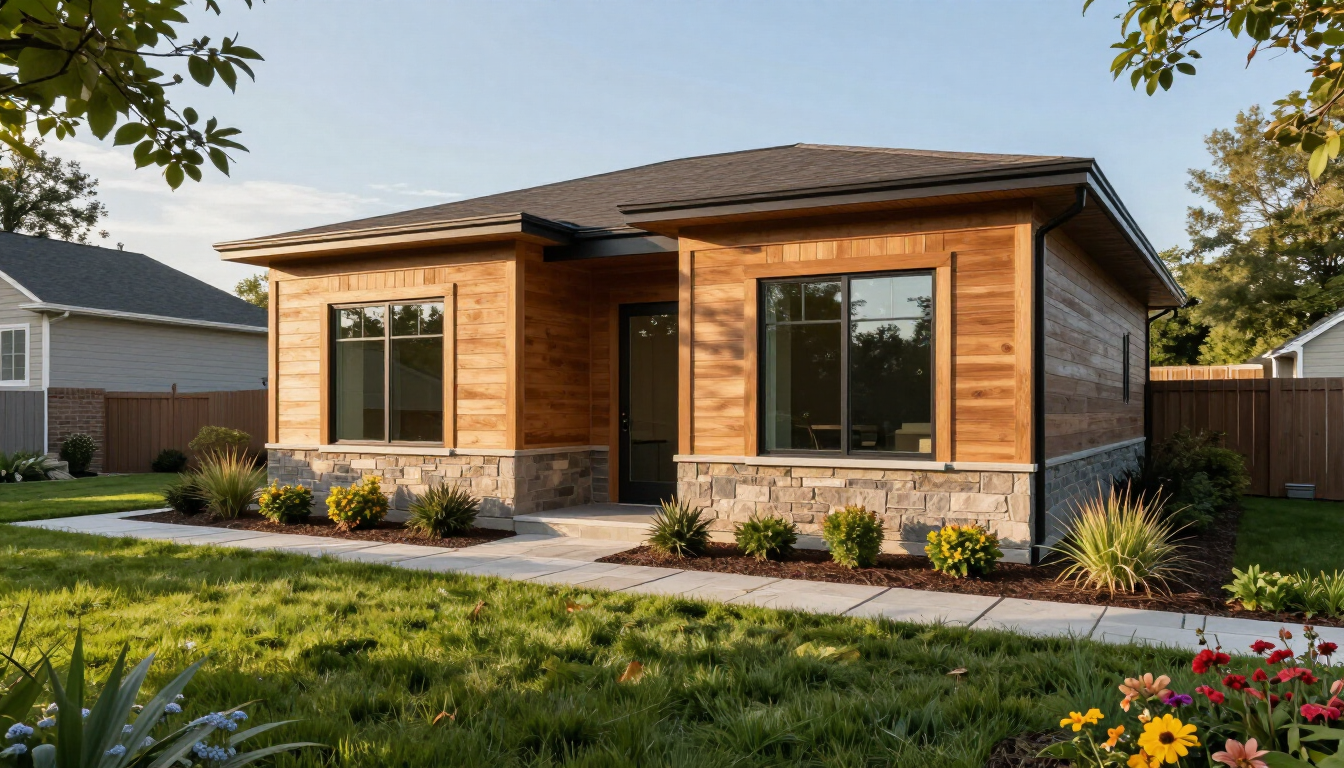
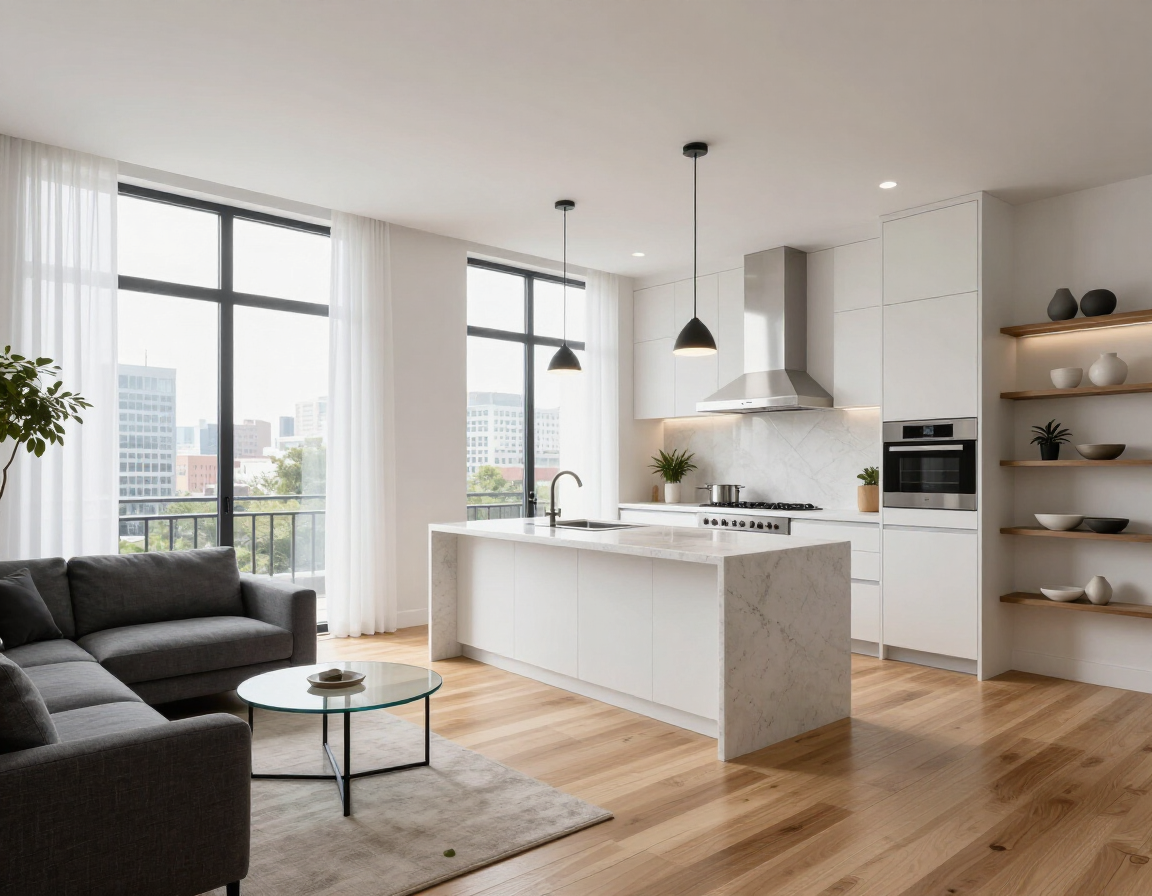
Interior of a modern ADU

Alternative ways to fund your tiny home project

Not every project requires a bank. For some, the path to a tiny home is paved with personal savings or creative family arrangements. If you’ve been aggressively saving, paying cash is obviously the most cost-effective method because you avoid interest entirely. But even if you don't have the full amount, personal loans (unsecured) can cover the gap. These loans don't use your home as collateral, so they are faster to process, though they often come with higher interest rates and shorter repayment terms.

Family contributions are also becoming a standard part of the ADU conversation. Since many ADUs are built for multi-generational living—perhaps for a child graduating college or a grandparent moving closer to the family—the costs are often shared. We’ve seen many families enter into private lending agreements where the person moving into the ADU contributes to the construction costs in exchange for lower "rent" later on. It’s a win-win that keeps the wealth within the family.

Other creative funding sources include:

  • 401(k) loans (consult a tax professional first).
  • Liquidating non-real estate investments.
  • Specialized green energy grants or loans (for eco-friendly builds).
  • Private investment partners (if the unit is for short-term rental).
  • Credit union personal lines of credit.

Is phased construction a viable strategy?

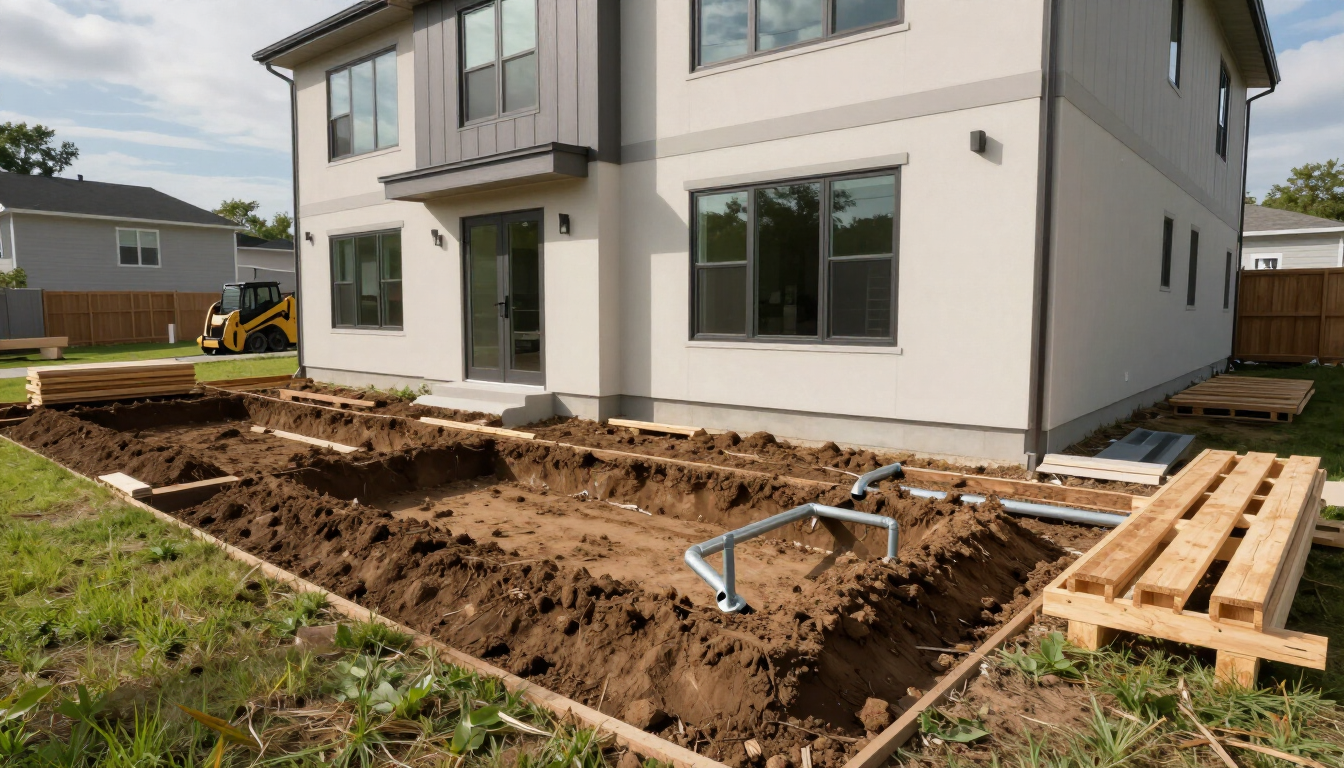
One often overlooked way to "finance" your project is to simply slow it down. Phased construction allows you to pay for parts of the project as you go. For example, you might spend one year handling the site prep, utilities, and foundation. Then, once you’ve saved more, you move on to the shell of the building. Finally, you finish the interior as funds become available. This prevents you from taking on large amounts of debt all at once.

While this method takes longer, it gives you incredible control over the quality and timing of your build. At Tiny Terra Homes, we are experts in helping homeowners navigate the ADU & Living Space Preconstruction Services in Kansas City . Starting with a clear plan allows you to see the road ahead, whether you’re building all at once or in stages. Just keep in mind that building in phases can sometimes be more expensive overall due to mobilizing contractors multiple times, but the lack of interest payments can balance that out.

Key takeaways for financing your Kansas City ADU

Navigating ADU financing options requires a blend of assessing your current equity, understanding your long-term goals, and choosing a lender that understands the local market. Whether you choose a HELOC for its flexibility, a construction loan for its future-value appraisal, or phased construction to stay debt-free, the right path is the one that fits your monthly budget without causing stress. Remember that an ADU is an investment that typically pays for itself through increased property value or rental income over time.

Before you sign any loan documents, we recommend these final steps:

  • Get a firm Quote to know your total budget.
  • Speak with at least two local lenders about home equity products.
  • Check the zoning rules in your specific city, such as Overland Park.
  • Calculate the potential rental income to see if the loan pays for itself.
  • Review our Project Gallery to see what different budget levels can buy.

If you're ready to stop wondering and start building, the team at Tiny Terra Homes is here to help you map out the process from the first dollar to the final coat of paint. Financing is just the engine that gets the project moving—let's get yours started today.

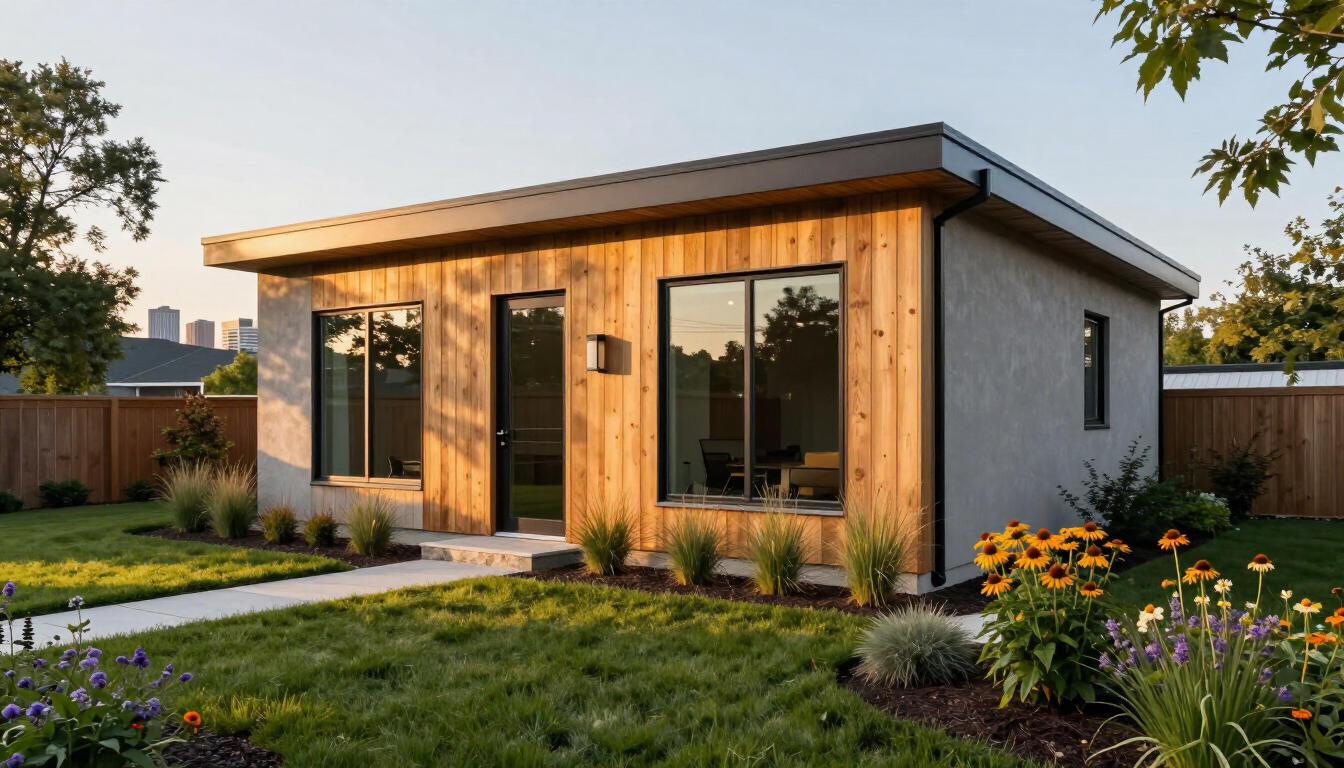
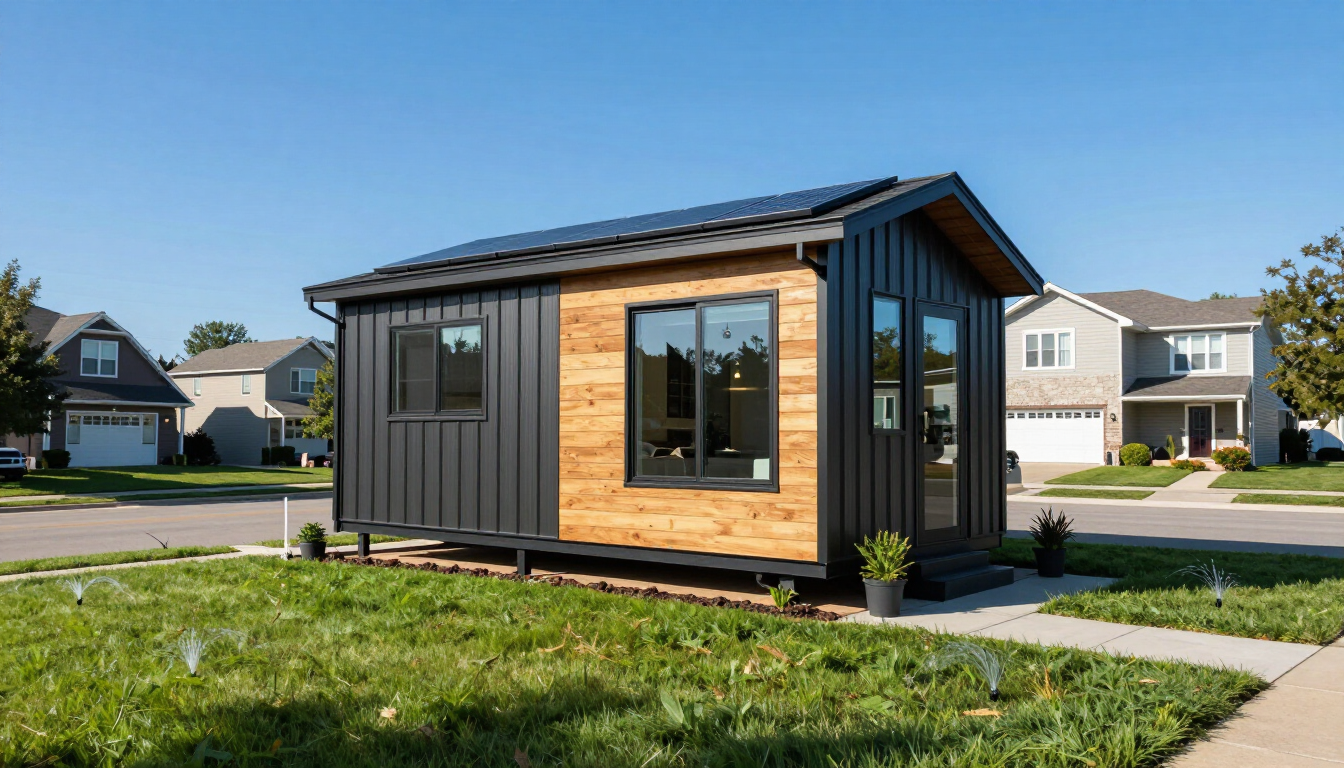
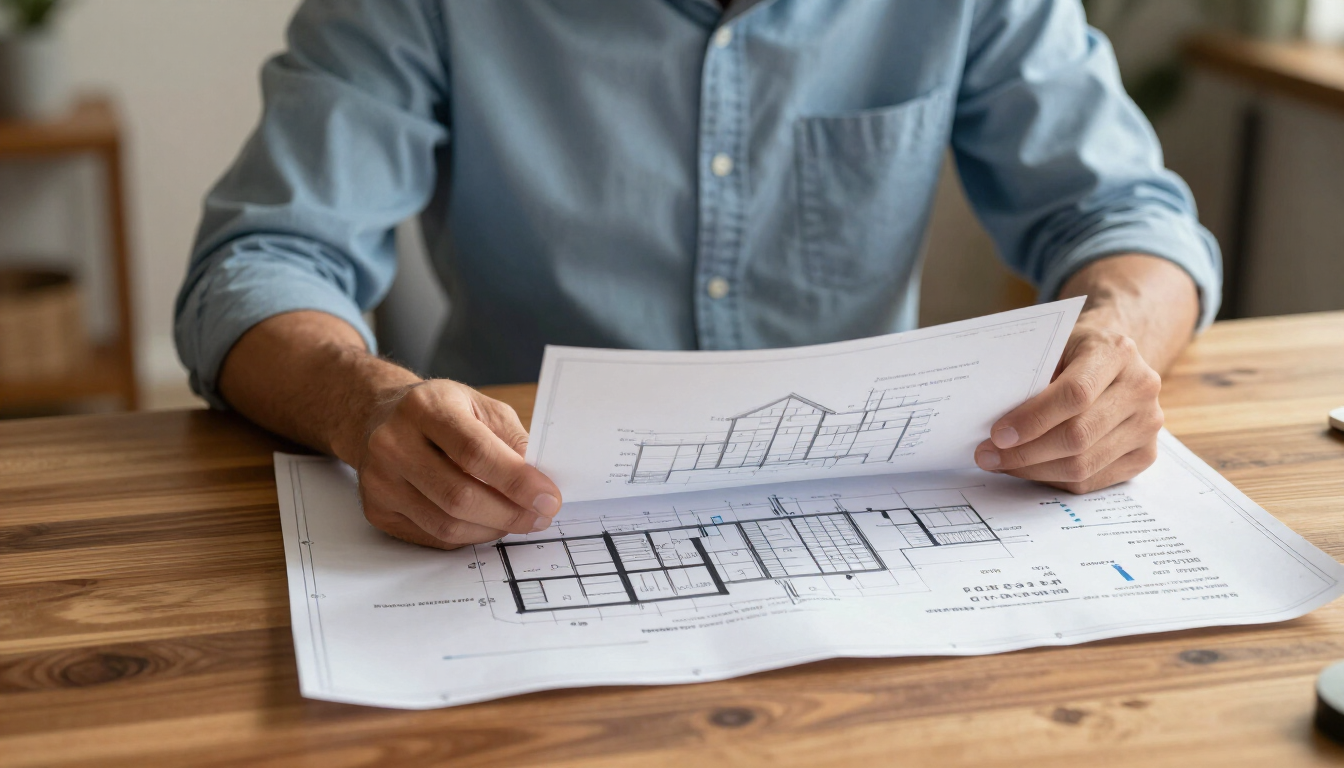
Financial planning for ADU

Recent Posts

A photorealistic modern ADU in a Kansas City backyard, illustrating the final result of the ADU construction timeline.
July 21, 2026
Planning an ADU in the Kansas City Metro? Our guide breaks down the full ADU construction timeline, from initial design and permits to the final move-in day.
A modern backyard ADU in a suburban Johnson County setting.
July 20, 2026
Confused by ADU zoning in Johnson County? Learn how permit requirements vary between Overland Park, Olathe, and Lenexa to plan your custom tiny home build.
Modern ADU in a Kansas City backyard during the day
July 19, 2026
Explore a detailed ADU cost breakdown for Kansas City. From permits and utility hookups to interior finishes, learn what to budget for your custom backyard home project.
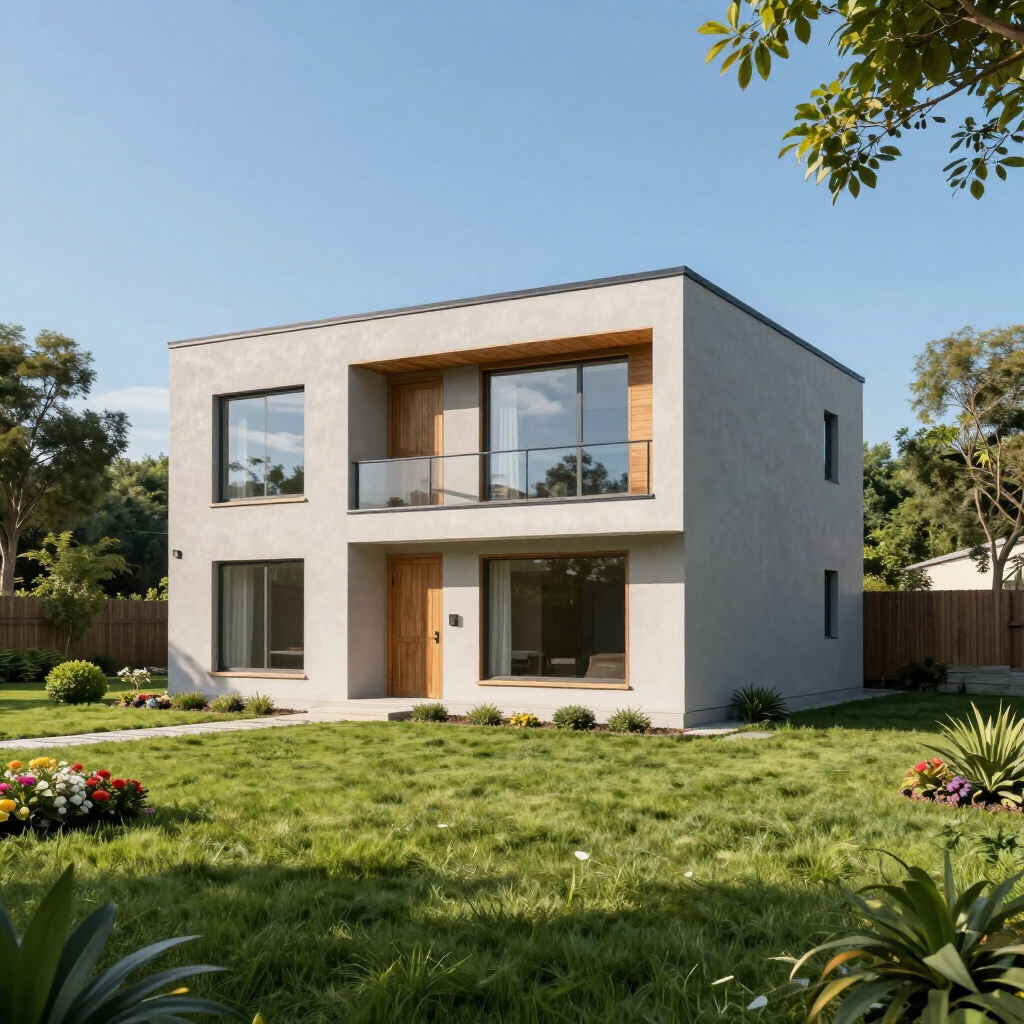
Modern ADU in Lee's Summit Missouri backyard
July 18, 2026
Planning an ADU in Lee’s Summit? This guide covers zoning, costs, and how to build a detached guest house without losing your mind. Get local KC Metro expert advice today!
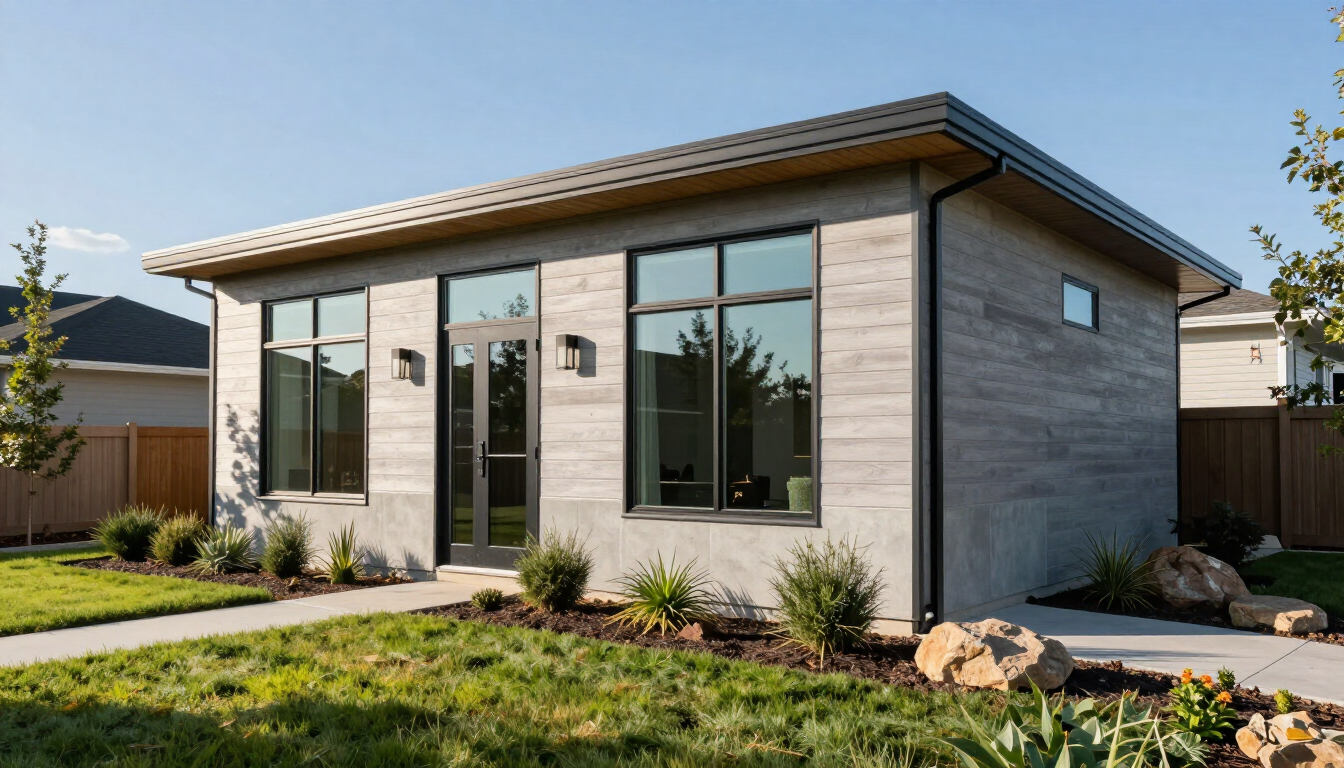
Modern tiny home exterior in Olathe backyard
July 17, 2026
Building an ADU in Olathe, KS? Learn about zoning, permits, utility connections, and costs for custom tiny homes and backyard cottages in the KC Metro.
A comparison of a tiny home on wheels and a permanent ADU in a backyard setting.
June 30, 2026
Choosing between a tiny home on wheels and a backyard ADU? Compare costs, zoning, and resale value in Kansas City with this expert guide to find your perfect small home.
A modern senior-friendly ADU in a backyard setting.
June 24, 2026
Compare ADU for parents cost vs assisted living fees in Kansas City. Discover why a custom ADU is a smarter investment for senior housing in 2026.
Homebuyers reviewing ADU plans at a table beside a modern backyard cottage; text says, “Why More People Aren’t Building ADUs Yet.”
By Julian Gomez June 21, 2026
ADUs are becoming more popular, but zoning is not always the biggest obstacle. Learn why price, financing, and clear planning matter before building.
A modern backyard accessory dwelling unit in a lush green backyard.
June 18, 2026
Deciding between a backyard ADU vs home addition in Kansas City? Compare costs, ROI, and benefits to find the best way to expand your living space today.
A modern tiny home ADU in a Kansas City backyard setting.
June 12, 2026
Thinking of building an ADU in Kansas City? Learn about zoning laws, permit requirements, and cost estimates for backyard cottages and tiny homes in the KC Metro area for 2026.
Show More