How to Choose: Tiny Home vs. Backyard ADU in 2026
A tiny home on wheels is a mobile, personal property structure built on a trailer, while a backyard ADU is a permanent, real property residence built on a foundation. ADUs typically offer higher resale value and better legal stability, whereas tiny homes provide mobility and lower entry-level pricing for homeowners.
What is the main difference between a tiny home and an ADU?
When you are looking at downsizing or adding space to your property in the Kansas City Metro, the first hurdle is understanding the legal and structural definitions. A Tiny Home on Wheels (THOW) is technically categorized as a recreational vehicle (RV). It is designed to be moved and is often not tied to a specific piece of land in the eyes of the law. This makes it a "chattel" or personal property, much like a car or a boat.
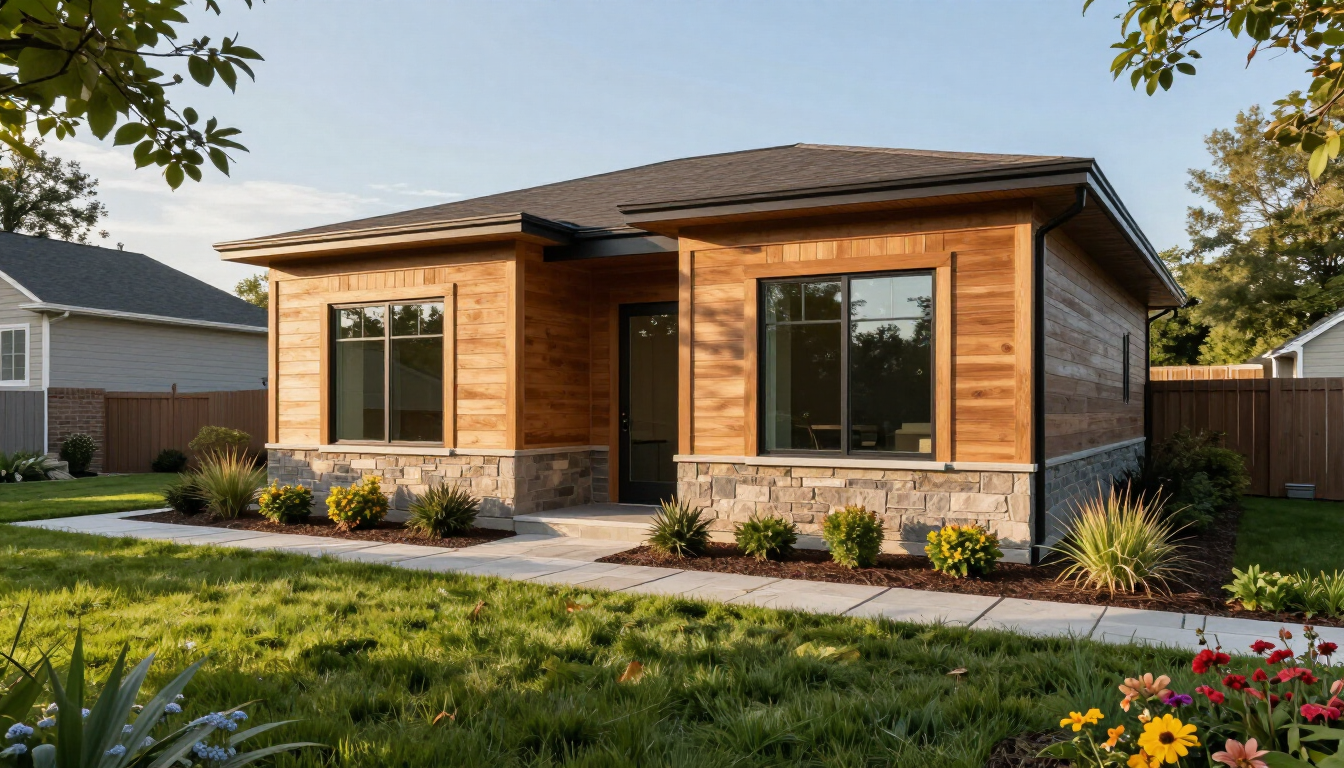
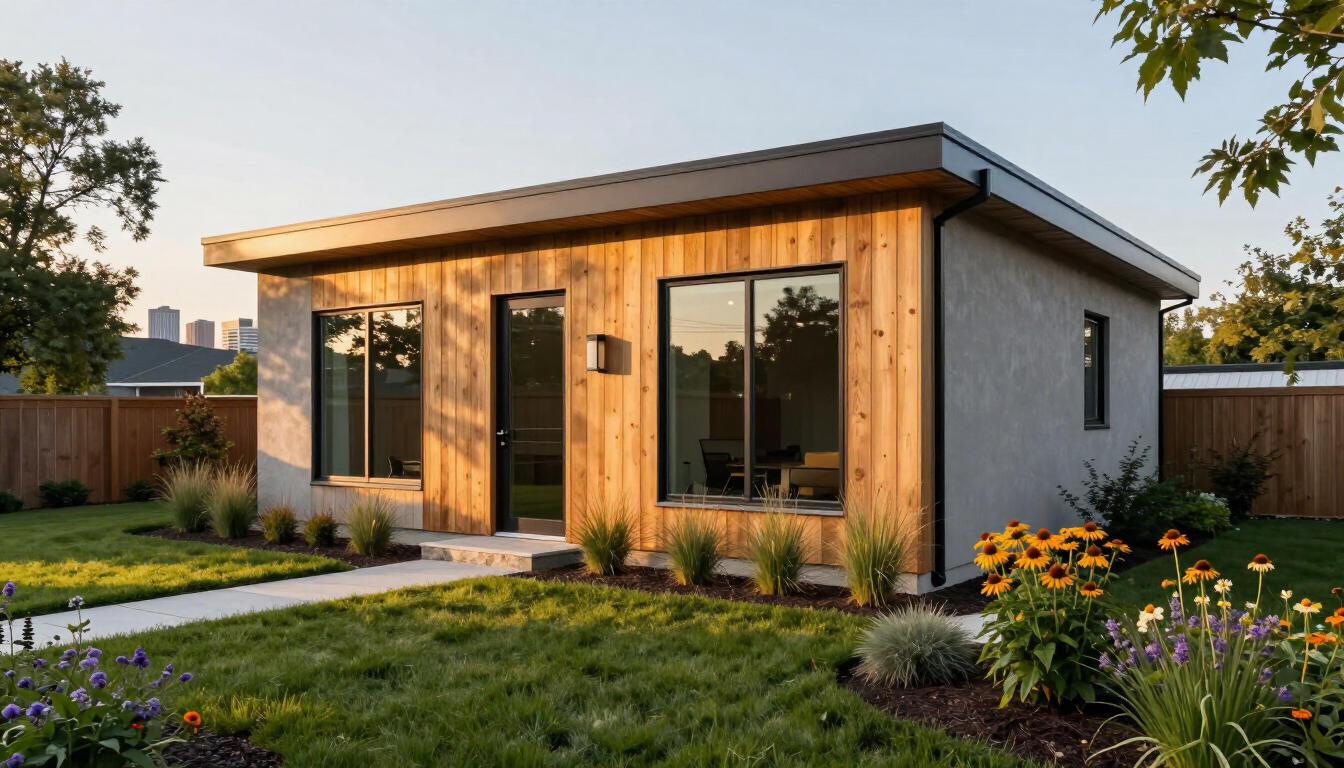
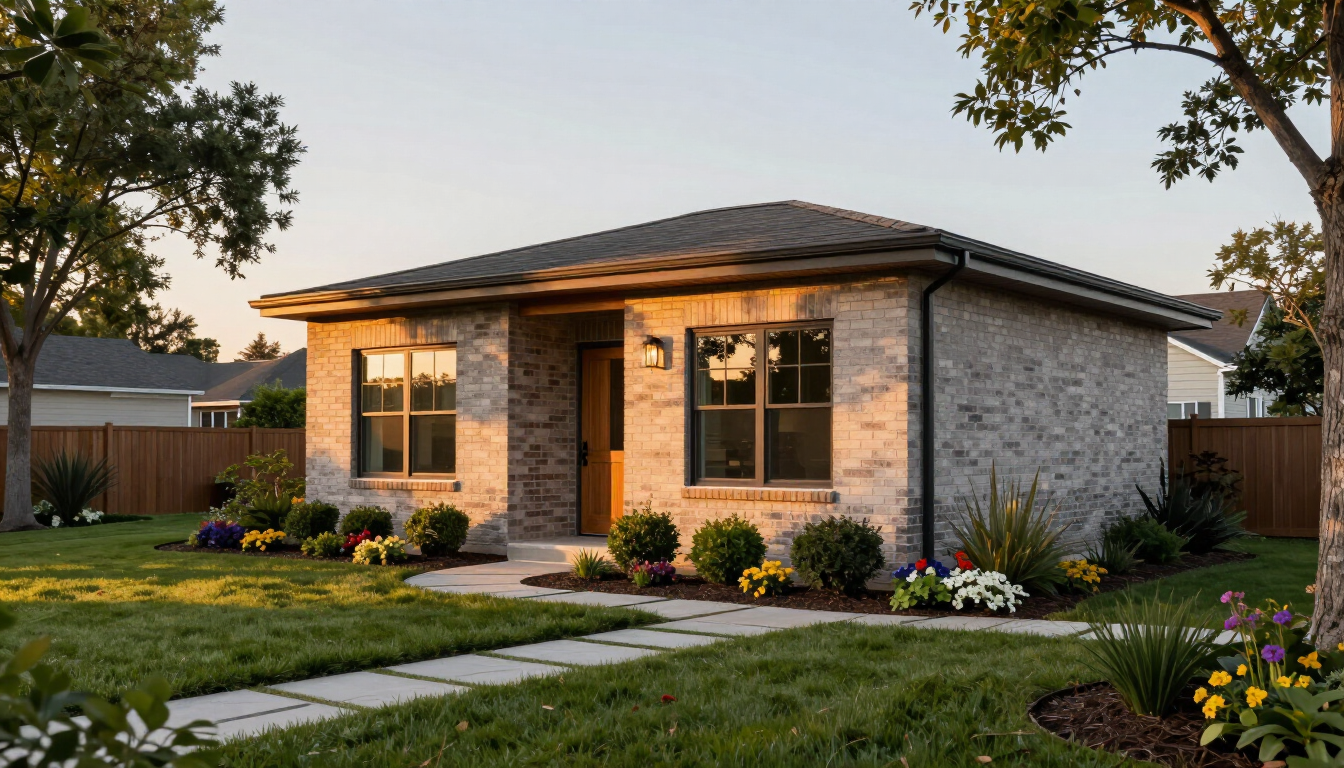
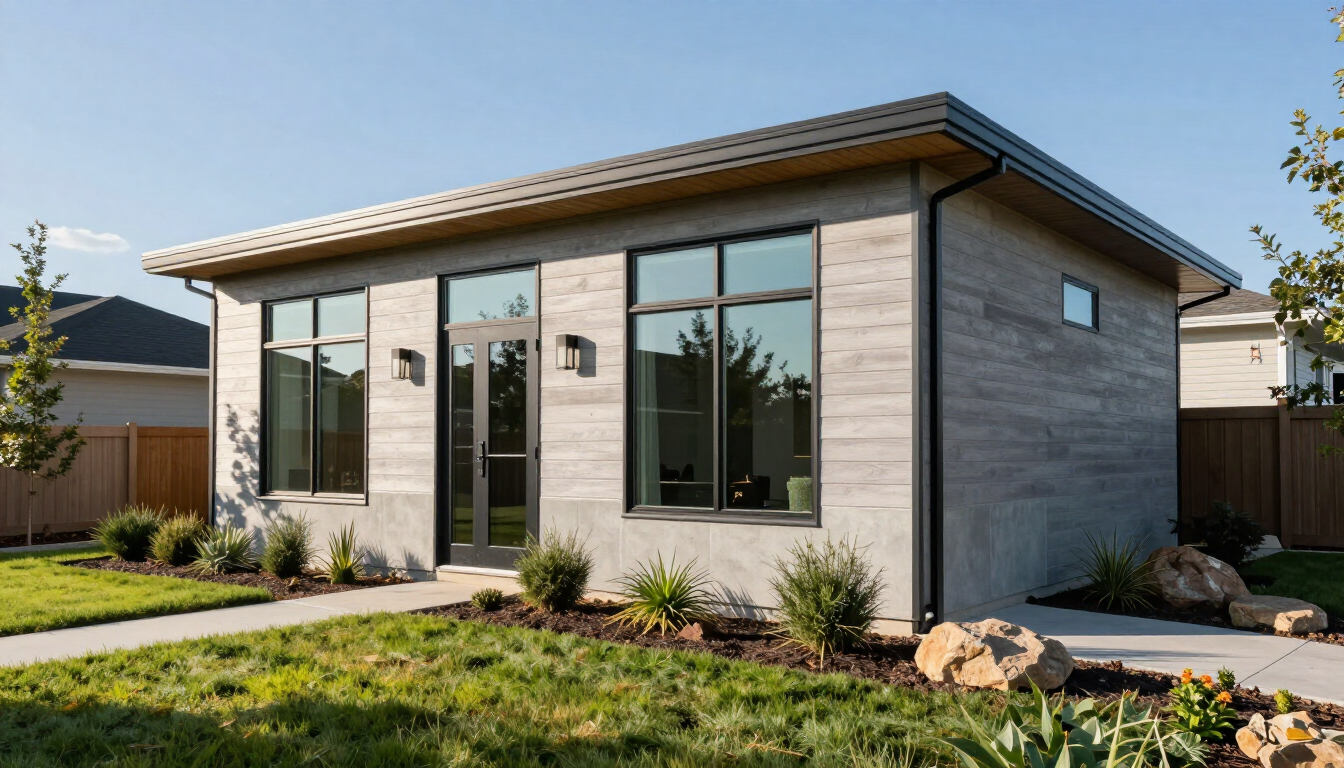
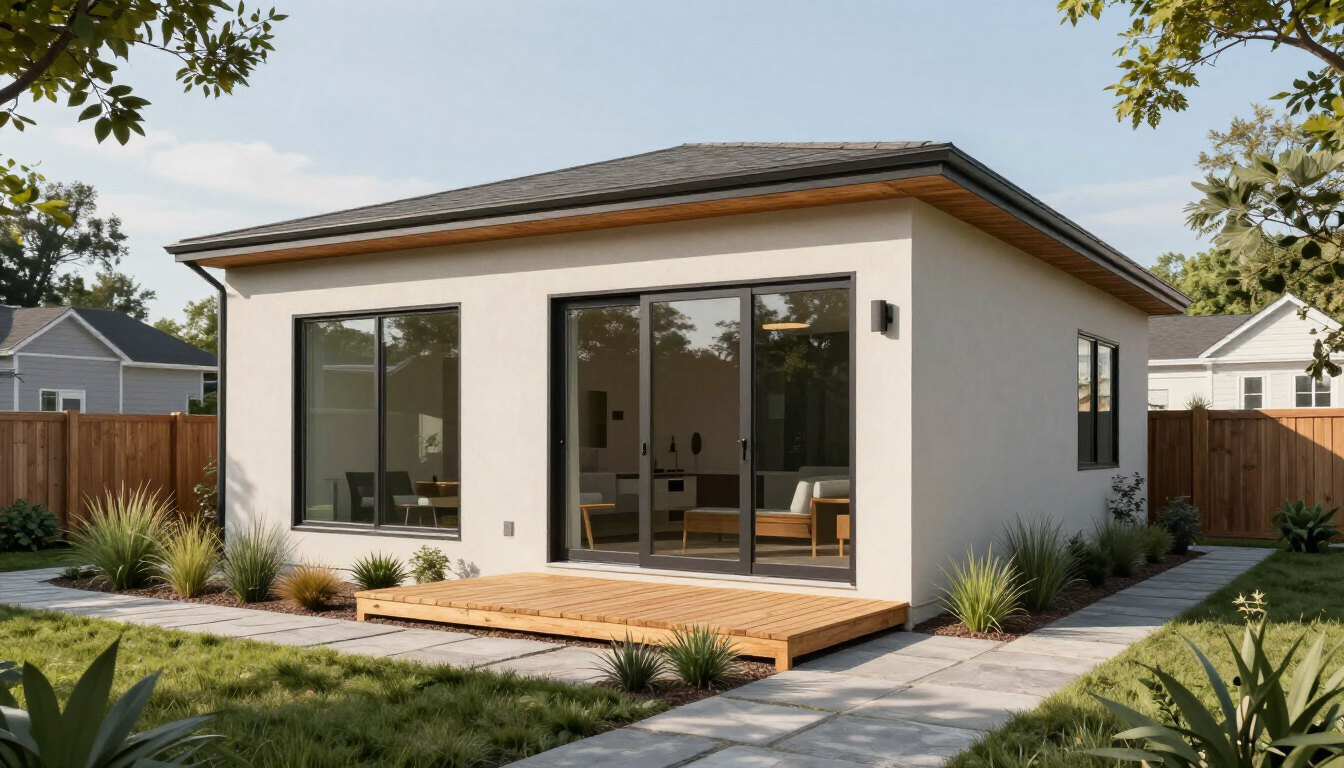
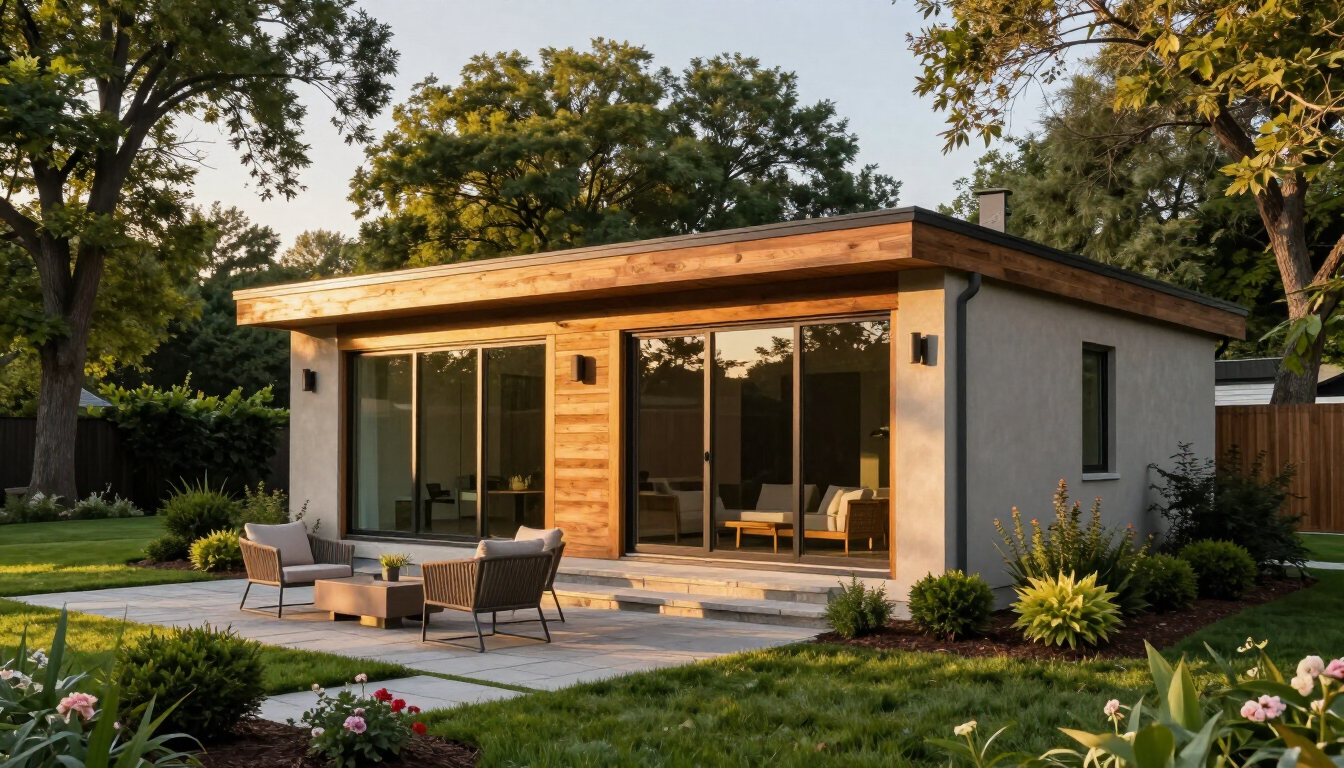
In contrast, an Accessory Dwelling Unit (ADU) is a permanent structure. It is built on a fixed foundation—either as a detached cottage, a basement apartment, or a converted garage. Because it is physically attached to the land, it is considered a part of the real estate. This distinction is the most critical factor because it dictates how you finance the build, how the city views your residency, and how much value the project adds to your home's equity.
At Tiny Terra Homes, we specialize in both, helping you navigate these definitions based on your long-term goals. Whether you want a guest house that stays put for decades or a flexible living space you can take with you if you move, understanding this core difference is the first step in your journey.
Understanding Tiny Homes on Wheels (THOWs)
Tiny homes on wheels have captured the public imagination because of the freedom they represent. These structures are built to stay under specific width and height requirements (usually 8.5 feet wide and 13.5 feet tall) so they can be towed on highways without special permits.
Key Characteristics of THOWs:
- Mobility: The ability to relocate your entire home if your job or lifestyle changes.
- Speed: Because they are built on a trailer chassis, the build time is often faster than traditional foundation-based construction.
- Cost: Generally, THOWs have a lower starting price because they don't require expensive foundation work or land-specific utility trenching in the same way an ADU does.
- Registration: They are typically titled and tagged through the DMV, not the local building department.
While the mobility is a plus, it also comes with challenges. In many parts of the Kansas City Metro, living in a THOW full-time can be a legal grey area. Many cities view them as RVs and restrict them to RV parks or specific zoning districts. If you are considering this route, it is vital to check your local city ordinances or consult with a builder who understands the local landscape.
Why choose a permanent backyard ADU in Kansas City?
If your goal is to increase your property value or provide a long-term home for an aging parent, a permanent backyard ADU is often the superior choice. Because an ADU is built to the International Residential Code (IRC)—the same code that governs your main house—it is legally recognized as a dwelling unit. This means you can get traditional permits, and the square footage can be officially added to your property’s total living space.
In our experience building in the KC Metro, homeowners are increasingly leaning toward foundation-built ADUs for several reasons:
- Longevity: Built with the same materials and standards as a luxury home, an ADU can last for generations.
- Appreciation: An ADU increases the appraised value of your property, often providing a significant return on investment when it comes time to sell.
- Rental Potential: It is much easier to legally rent out a foundation-built ADU on platforms like Airbnb or as a long-term rental compared to a tiny home on wheels.
- Utilities: ADUs are permanently plumbed and wired into your home’s existing systems, providing a seamless and reliable utility experience.
You can explore our Pricing & Packages to see how these permanent structures compare in terms of investment levels.
Legal and Zoning Realities in the KC Metro
Zoning is perhaps the most complex part of any small-home project. In Kansas City, the laws are evolving. Some areas have become "ADU-friendly," allowing homeowners to build detached units with relatively simple permit processes. Other municipalities still have strict rules regarding minimum square footage and roof pitches.
When we talk about THOWs, the legal path is different. Since they aren't permanent, they don't fall under standard building permits. Instead, they fall under the jurisdiction of wherever you park them. Many people find that while they can buy a tiny home on wheels, finding a place to park it legally for full-time living is the real challenge. Permanent ADUs, while requiring more paperwork upfront, offer the peace of mind that comes with being fully compliant with local law.
If you're unsure where your project stands, we recommend looking at our Project Gallery to see examples of what has been successfully built and permitted in the area. We handle much of the design guidance and build execution to ensure you aren't left guessing about local codes.
How do the costs compare for each build type?
Budget is usually the deciding factor for many buyers. While a tiny home on wheels might seem cheaper at first glance, the total "all-in" cost can be surprising once you factor in site preparation.
Tiny Home on Wheels Pricing: Typically, a high-quality, custom-built THOW ranges from $60,000 to $120,000. This price covers the structure itself. However, you still need to pay for a gravel pad, high-voltage electrical hookups, and a way to handle waste (like a septic connection or a composting toilet).
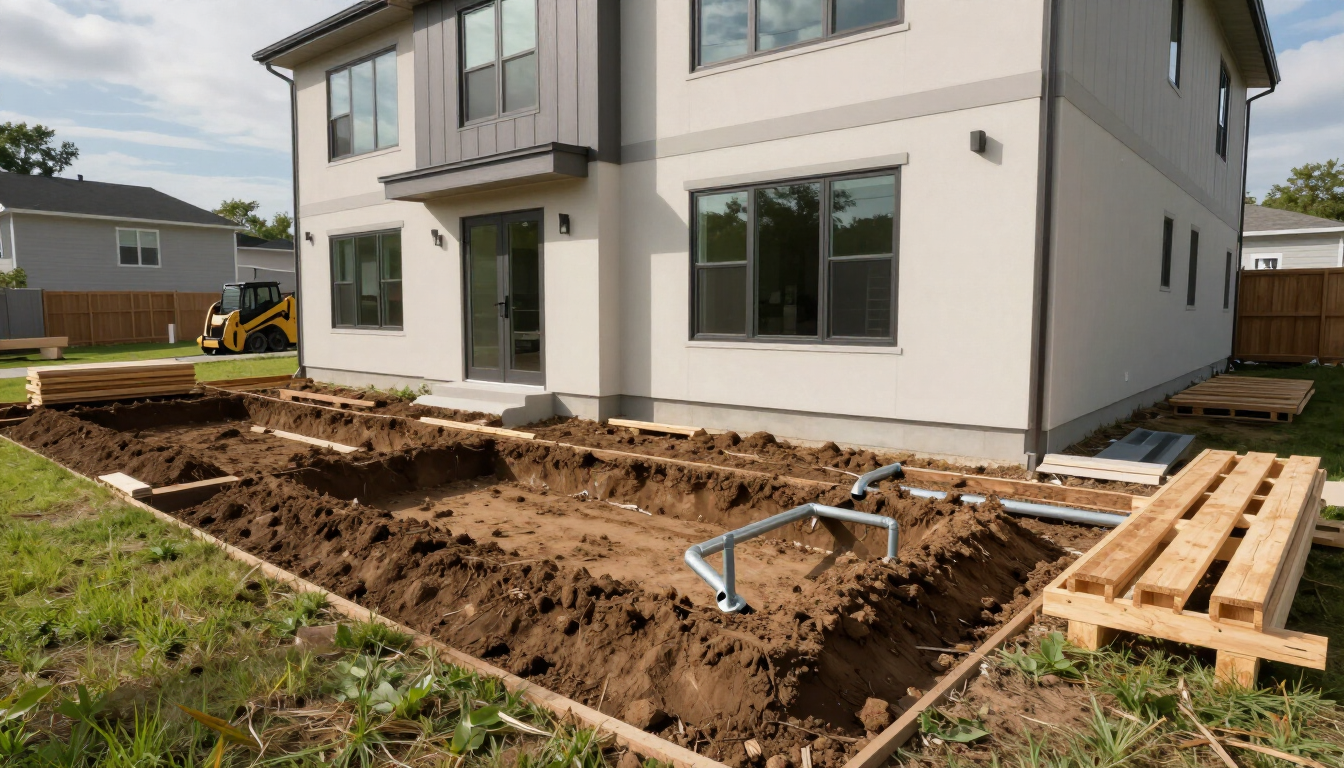
Backyard ADU Pricing: A permanent ADU often starts around $100,000 and can go up significantly depending on size and finishes. This higher price point includes the foundation, permanent utility trenching (sewer, water, and power from the main house), and the higher labor costs of on-site construction. You are essentially building a miniature version of a custom house.
When evaluating cost, don't just look at the price tag—look at the financing . It is often easier to get a home equity line of credit (HELOC) or a construction loan for a permanent ADU because it is an improvement to the real estate. Financing for a tiny home on wheels is more akin to an auto loan, which often has higher interest rates and shorter terms.
The Reality of Resale Value and Property Investment
One of the biggest differences between these two options is how they age as investments. A tiny home on wheels is a depreciating asset. Much like a car, it is worth the most the day you buy it and will likely lose value over time as the systems and trailer age. While there is a strong secondary market for used tiny homes, you shouldn't expect to make a profit on the sale years later.
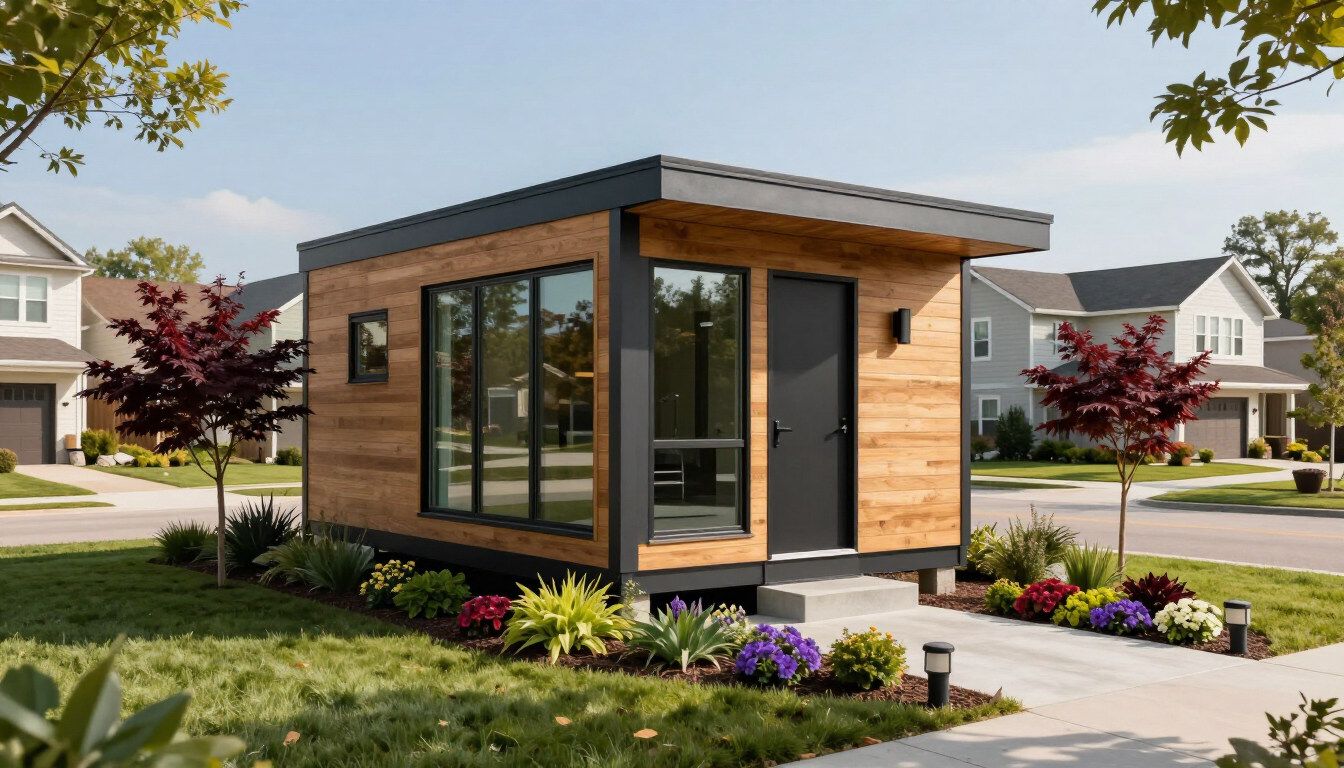
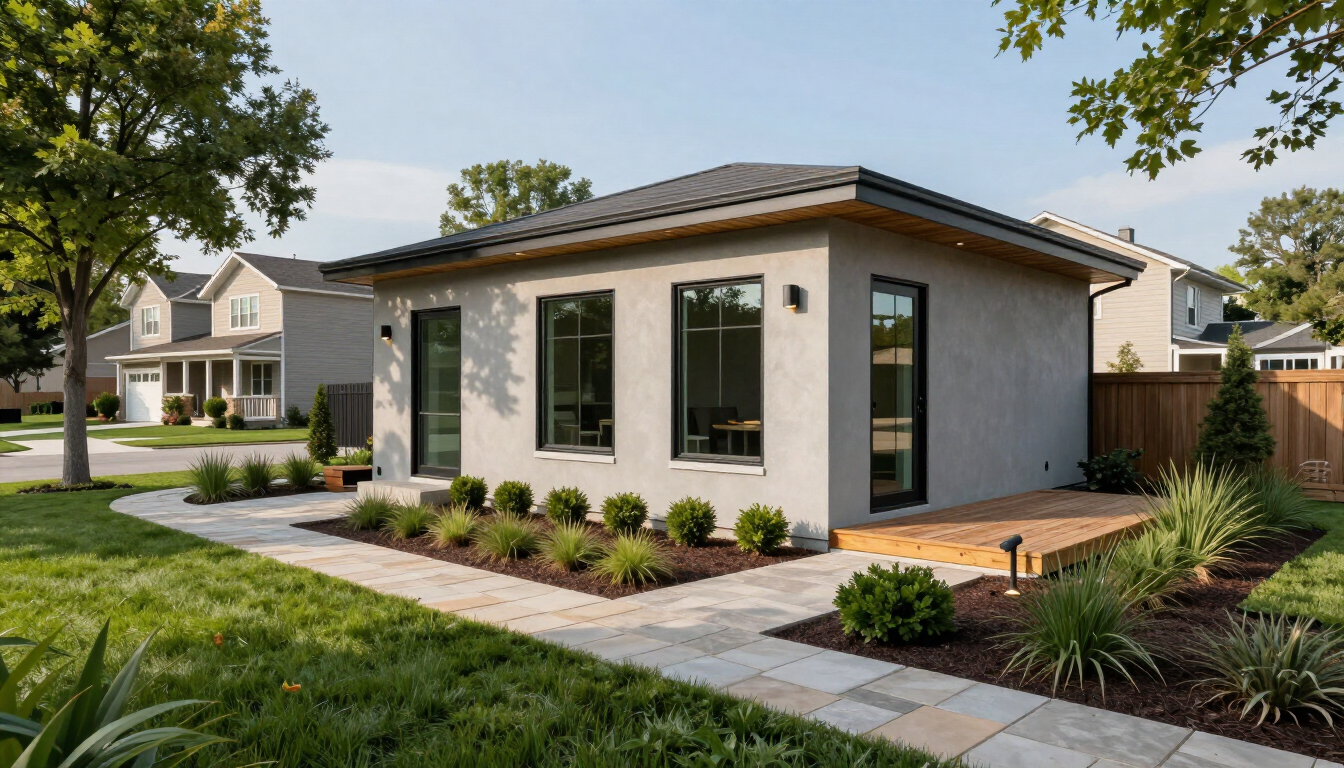
An ADU, however, is an appreciating asset. It is part of your land. In a growing market like Kansas City, adding a 400-square-foot guest cottage to your backyard can significantly bump your asking price when you eventually sell your primary residence. For many, the ADU pays for itself through increased equity and potential rental income. If you're curious about what these models look like, you can browse our Models page to find a design that fits your backyard's footprint.
Which option fits your specific needs?
Choosing between a tiny home on wheels and a backyard ADU ultimately comes down to your "why." Are you looking for a lifestyle of adventure and the ability to move, or are you looking to anchor your family and your finances to a specific piece of land?
Choose a Tiny Home on Wheels if:
- You don't own land and plan to rent a spot or move frequently.
- You want the lowest possible entry price for a custom-built living space.
- You are comfortable with the legal limitations of living in an "RV."
- You need the home delivered quickly and have a site ready for it.
Choose a Backyard ADU if:
- You want to maximize your property's resale value and equity.
- You are providing a permanent residence for a family member.
- You want a seamless legal process with your local city council.
- You plan on using the space for long-term rental income.
At Tiny Terra Homes, we are here to help you make this decision based on the realities of the Kansas City Metro. Our homepage offers a great starting point to understand our build-to-order process. We believe in clear pricing ranges and realistic timelines, so you never feel stuck in the dark during your build.
Final Takeaway
Deciding between a tiny home on wheels and a backyard ADU depends on your balance of mobility versus investment. If you want a flexible, lower-cost mobile lifestyle, a THOW is your best bet. If you want a permanent, value-adding addition to your property that complies with local building codes, a backyard ADU is the way to go.
- THOWs offer mobility and lower initial costs but depreciate over time.
- ADUs offer permanent legal status, higher resale value, and easier financing.
- Zoning in KC varies, making ADUs the "safer" legal choice for long-term residency.
- Costs should be measured by total investment and potential return, not just the sticker price.
Ready to start your project? Get a Quote today, or call/text us to discuss which option is right for your Kansas City property.