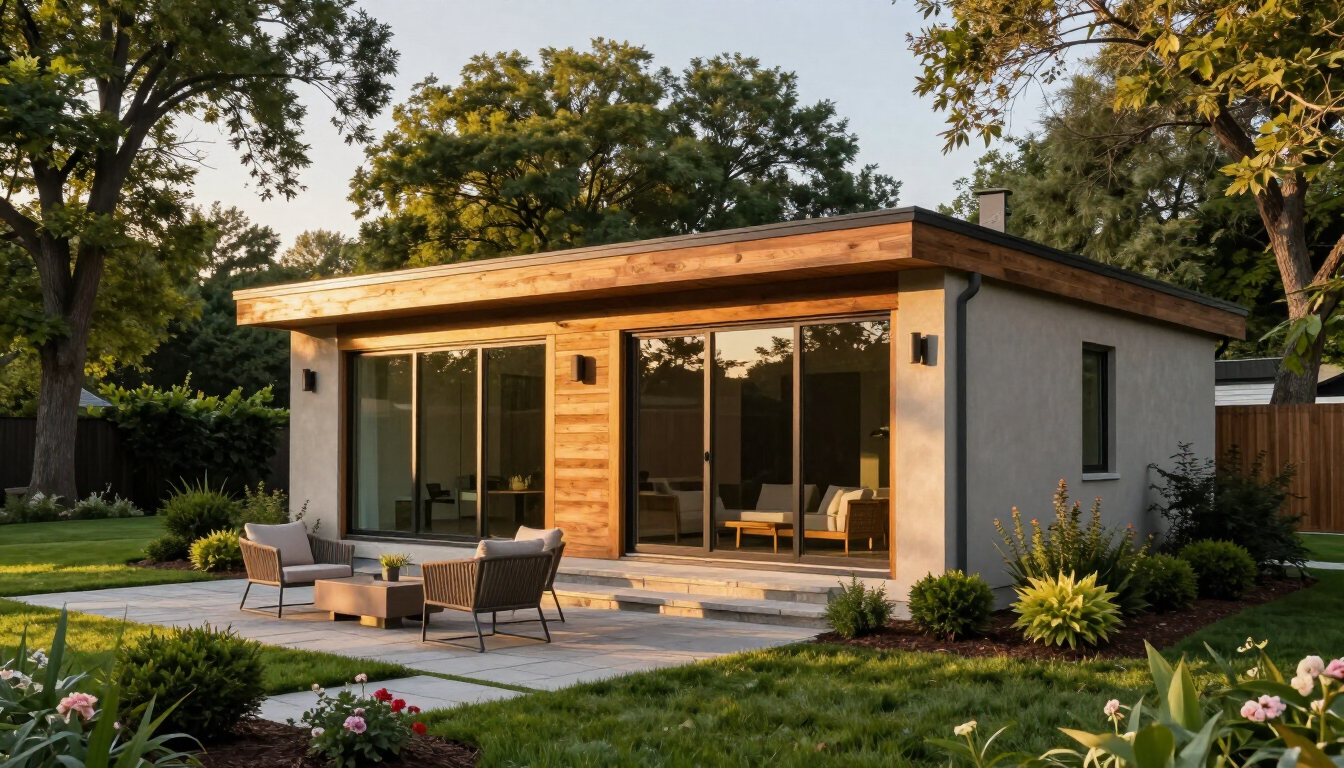
Post-and-Beam vs. Slab Foundation for an ADU
Choosing between a post-and-beam and a concrete slab foundation for an ADU depends on your site’s slope, budget, and local soil. Concrete slabs offer durability and ease for level ground, while post-and-beam foundations are better for sloped land, easier utility access, and faster installation timelines.
What is the best foundation for an ADU?
Selecting the right foundation is the most critical decision you will make when planning your Accessory Dwelling Unit (ADU). In the Kansas City Metro area , homeowners must navigate a variety of terrains, from flat suburban lots to rolling hills with significant slopes. The "best" foundation isn't a one-size-fits-all answer; it is the one that balances your specific site conditions with your long-term goals for the property.
When we talk about an ADU foundation, we are looking at how the structure transfers its weight to the earth. A slab foundation is a solid mass of concrete poured directly onto the ground, while a post-and-beam system (also known as a pier-and-beam) raises the structure off the ground using vertical posts. Each has unique implications for your build's plumbing, insulation, and overall feel. For many budget-conscious homeowners, the choice comes down to the upfront cost versus the long-term accessibility for repairs.
Understanding Post-and-Beam Foundations
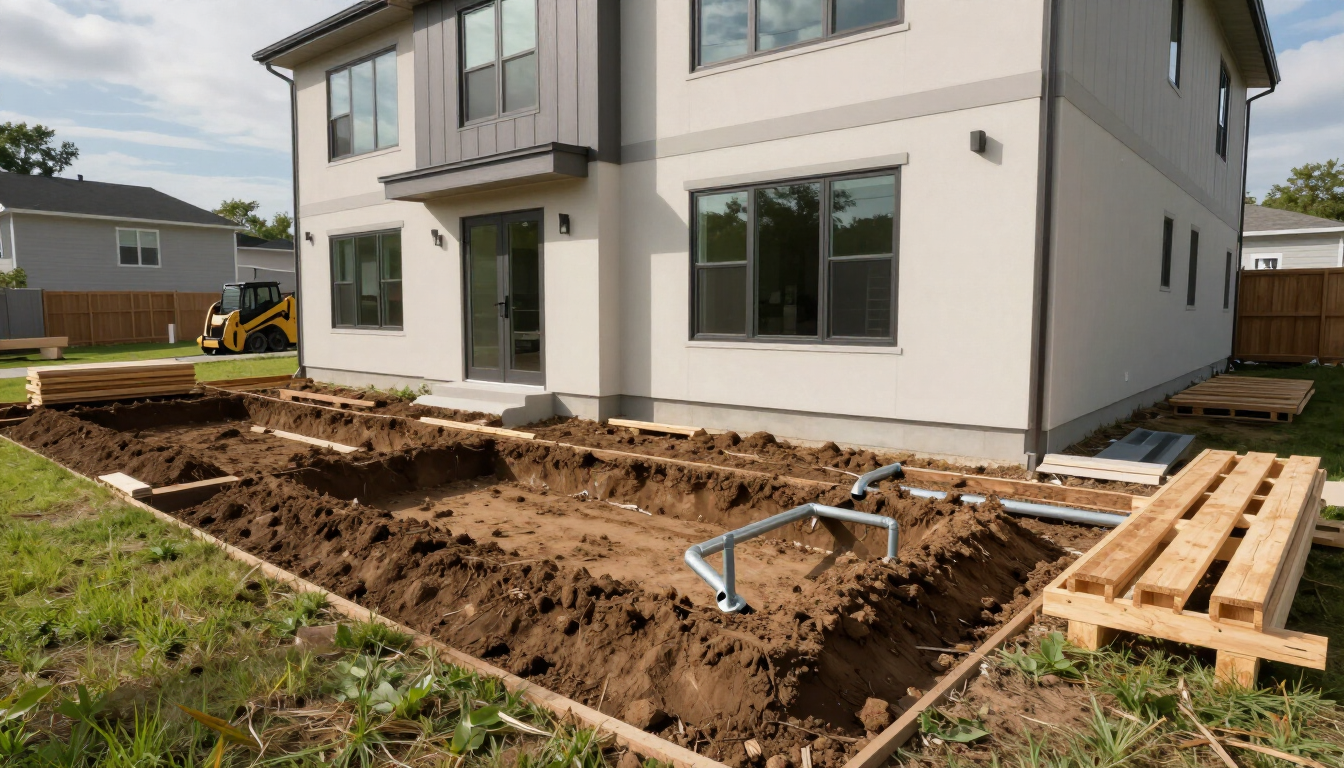
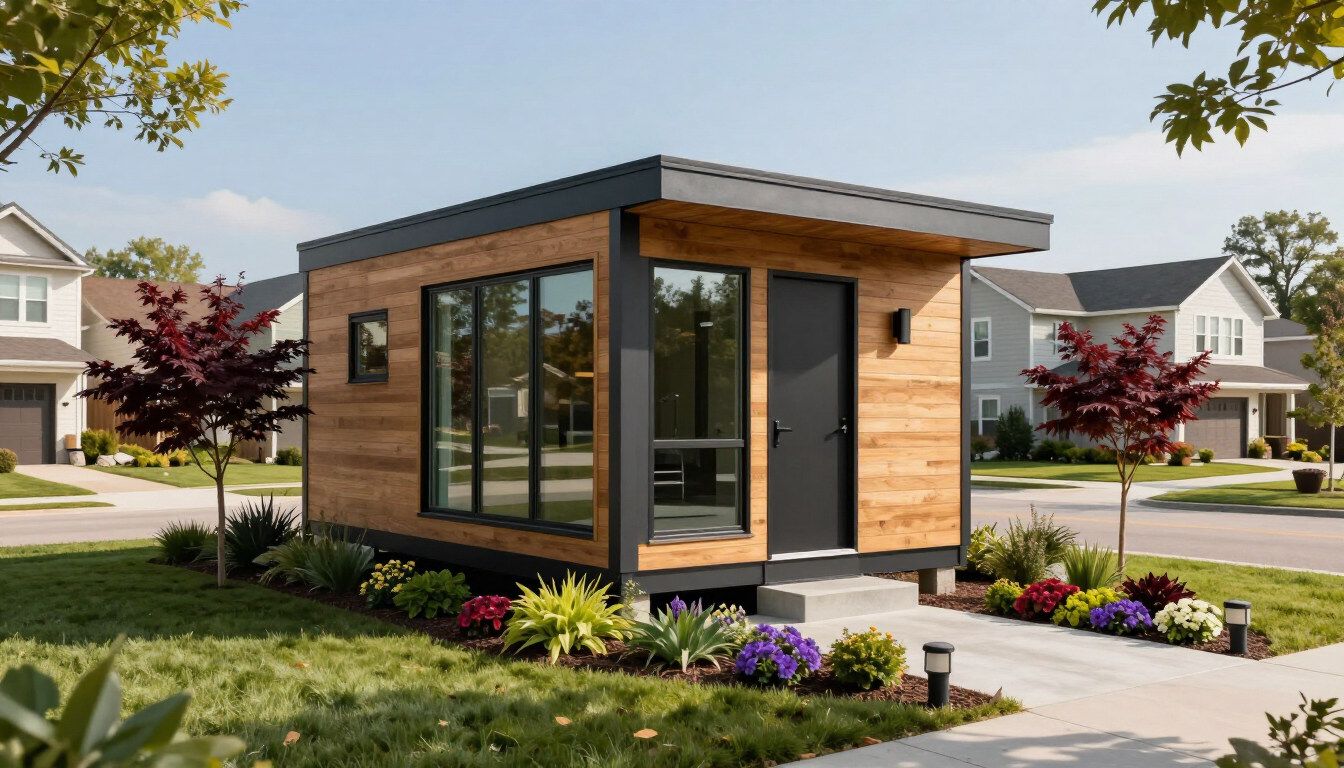
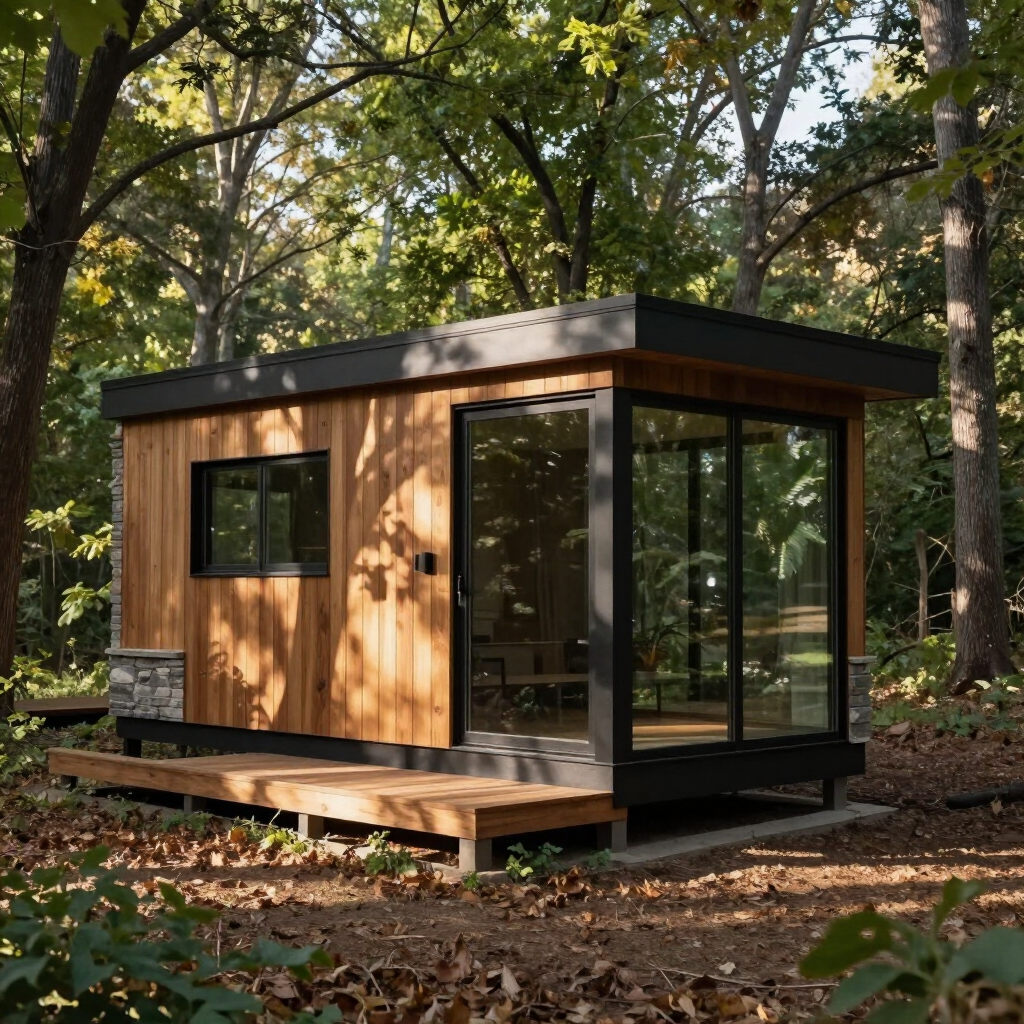
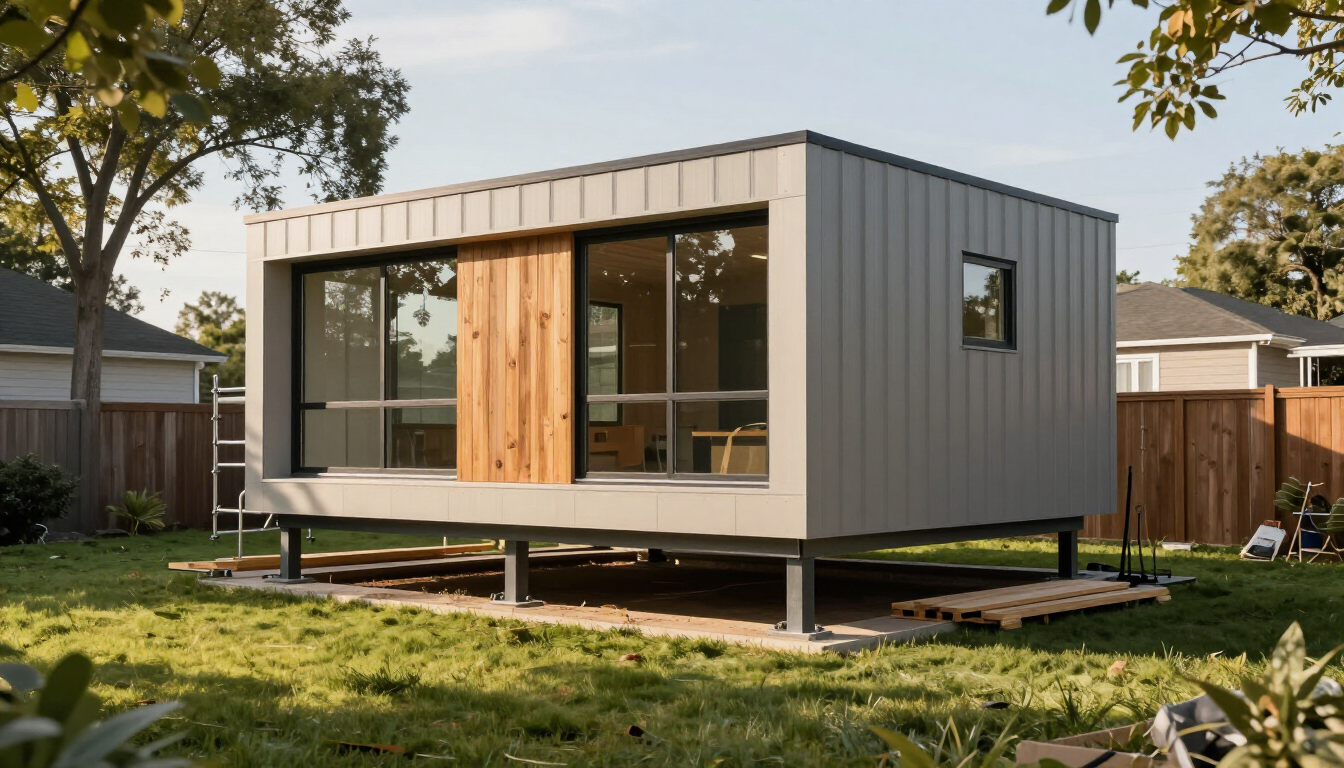
A post-and-beam foundation involves driving piers into the ground and connecting them with horizontal beams to support the home. This creates a crawl space underneath the ADU. This method is incredibly popular for custom tiny homes and backyard cottages because it offers a level of flexibility that concrete simply cannot match. If your backyard isn't perfectly flat—which is often the case in older KC neighborhoods—this system allows you to build a level home without the massive expense of grading the land.
Key benefits of post-and-beam include:
- Superior performance on sloped or uneven lots.
- Easier access to plumbing and electrical systems for future repairs.
- Reduced site impact, preserving existing trees and landscaping.
- Better ventilation in humid climates to prevent moisture buildup.
- Faster installation since there is less excavation required.
However, it’s important to note that post-and-beam structures require specific attention to floor insulation. Since the house is elevated, cold air circulates underneath, making high-quality insulation a priority to keep your energy bills low. You can check our Pricing & Packages to see how foundation choices influence the overall investment of your build-to-order project.
Pros and Cons of a Concrete Slab Foundation
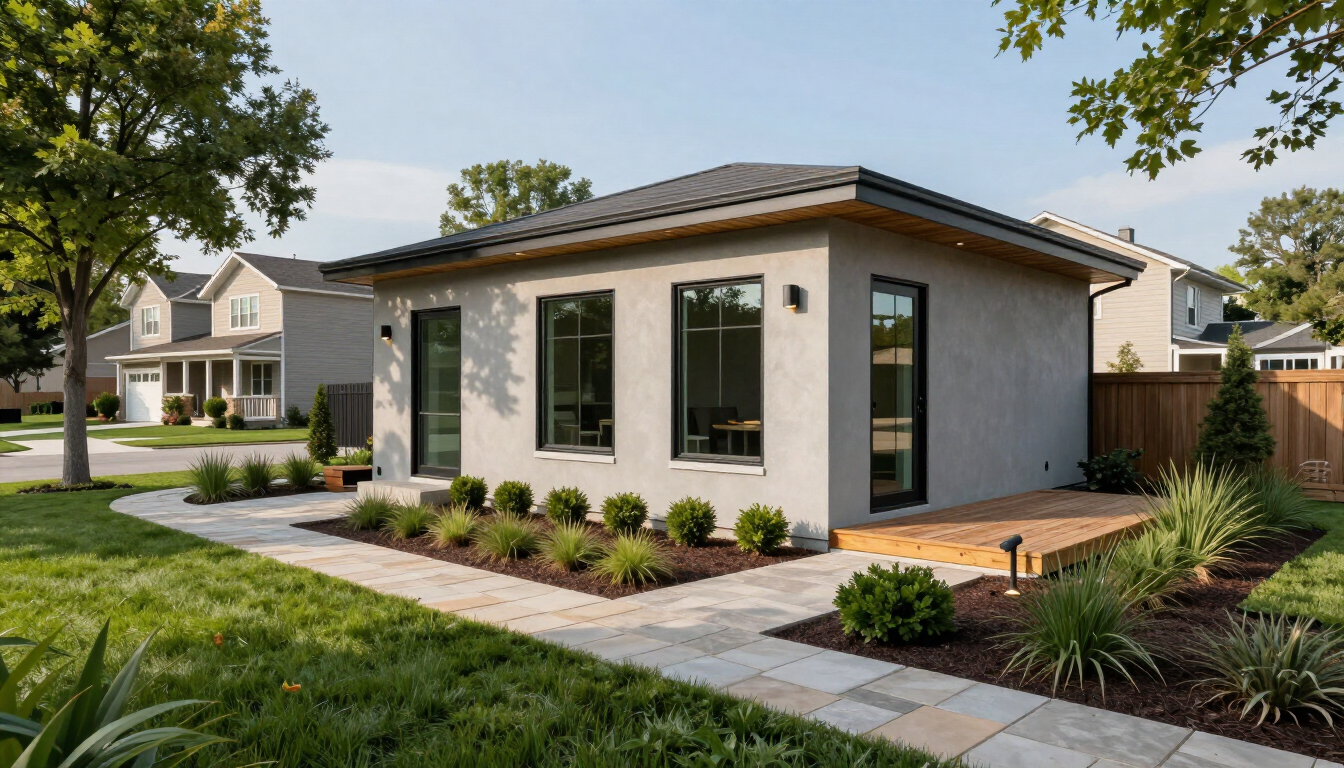
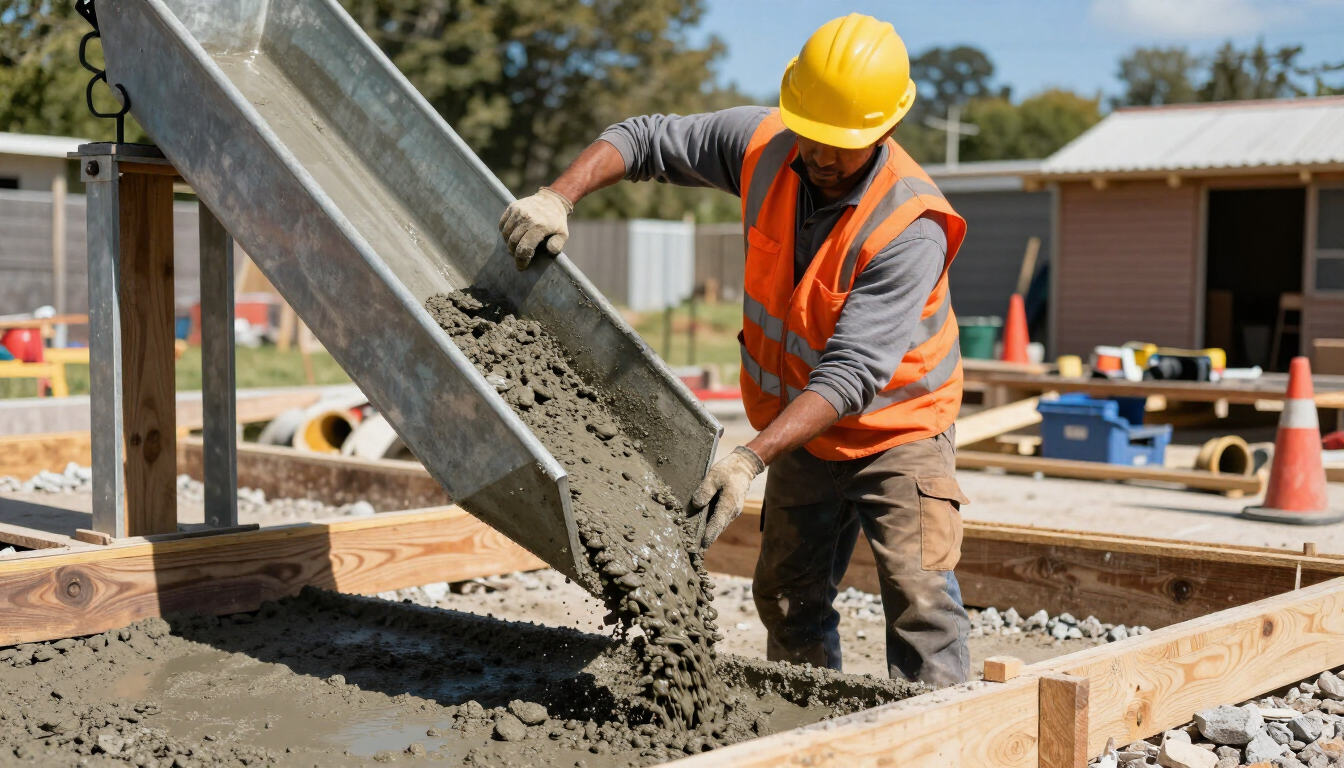
A concrete slab, or monolithic slab, is the standard for most modern traditional homes. It is a thick layer of concrete, usually reinforced with steel rebar, poured over a bed of gravel. This creates a sturdy, level base that feels incredibly permanent. For families with aging parents who need an ADU for aging-in-place, a slab is often preferred because it allows the home to be built closer to ground level, eliminating the need for steep ramps or stairs.
Pros of choosing a slab foundation:
- Provides a very stable and solid feeling underfoot.
- Excellent thermal mass, which helps regulate indoor temperatures.
- Lower entry point for mobility-challenged residents.
- Generally more resistant to certain types of pests like termites.
- Often perceived as more "traditional" by potential future buyers.
Cons to consider:
- Plumbing is embedded in the concrete, making repairs extremely expensive.
- Requires a perfectly level site, which may lead to high excavation costs.
- Slabs can crack if the soil shifts significantly over time.
- Difficult to build on properties with high water tables or poor drainage.
Which ADU foundation is cheaper to build?
Budget is a primary concern for most homeowners. Generally, on a perfectly flat lot, a concrete slab foundation is the most cost-effective option. The materials are straightforward, and the labor is standard for most local crews. However, as soon as you introduce a slope of more than a few degrees, the cost of a slab skyrockets. You would need to build massive retaining walls and bring in tons of fill dirt to create a level pad for the pour.
In contrast, a post-and-beam foundation maintains a relatively consistent price point regardless of the terrain. While the beams and piers might cost more in materials than basic concrete, you save thousands on site preparation and dirt work. If you are looking at our Models , you’ll notice that many of our designs are optimized for either type. We always recommend getting a site assessment early in the process to determine which foundation will actually save you money in the long run.
Does your soil type matter for an ADU foundation?
Absolutely. In the Kansas City Metro, we deal with a lot of expansive clay soil. This type of soil expands when it’s wet and shrinks when it’s dry. This movement puts immense pressure on foundations. A concrete slab on expansive clay needs to be engineered with deeper footings or a thicker "thickened edge" to prevent cracking. If your neighborhood is known for basement issues, a post-and-beam foundation might be the safer bet, as it allows for slight movements without compromising the entire structural integrity of the home.
How does the Kansas City climate affect foundations?
Kansas City experiences extreme temperature swings. From sub-zero winters to blistering 100-degree summers, your foundation is constantly under stress. For slabs, the "frost line" is a major factor. You must dig deep enough that the bottom of your foundation is below the point where the ground freezes (usually 36 inches in our region). If you don't, the ground will "heave" and literally lift your ADU, causing cracks in the walls and ceiling. Post-and-beam systems use piers that also reach below the frost line, but they offer the added benefit of keeping the structure away from the damp, freezing soil during the spring thaw.
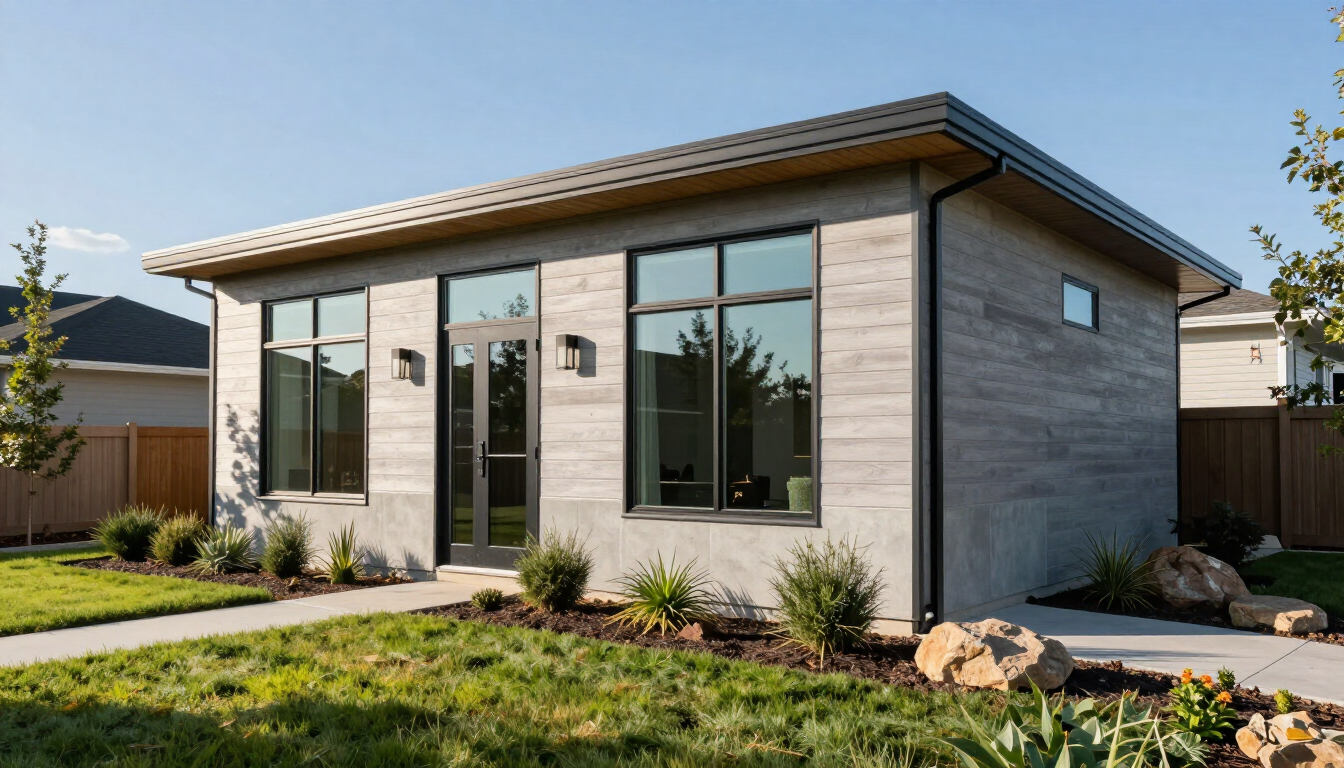
If you're curious about how these finished projects look in real backyard settings, our Project Gallery showcases various builds across the metro, highlighting how we've handled different foundation needs for our clients.
Choosing Your ADU Path
When deciding between these two options, ask yourself three questions: Is my yard flat? Who will be living here? And what is my long-term maintenance plan? If you have a flat lot and are building for a family member with mobility issues, the concrete slab is the gold standard. It provides the stability and accessibility needed for a long-term residence. However, if your backyard has a beautiful view on a hill, or if you want the flexibility to easily upgrade your plumbing or wiring in ten years, the post-and-beam system is likely your best friend.
At Tiny Terra Homes, we specialize in helping you navigate these technical hurdles. We don't just build a box; we build a home that is integrated into your land. Whether you are an investor looking for extra monthly income or a daughter helping her parents plan their next chapter, we provide the design guidance and build execution to make it happen. We handle the permitting questions and the technical specs so you can focus on the fun parts of the project.
Summary: Which Foundation Should You Choose?
To choose the right ADU foundation, evaluate your site’s slope and your budget for ground preparation. Use a concrete slab if your lot is flat and you prioritize a traditional, solid feel with minimal steps for entry. Opt for a post-and-beam foundation if your land is sloped, you want to avoid massive excavation costs, or you want easier access to utilities for the life of the home. Both are excellent choices when engineered correctly for the Kansas City climate and clay soil conditions.
Key Takeaways:
- Slabs are best for flat lots and aging-in-place accessibility.
- Post-and-beam excels on sloped terrain and saves on site prep costs.
- Kansas City’s frost line requires deep footings regardless of foundation type.
- Consider long-term maintenance; slabs make plumbing repairs difficult.
- Always get a professional site assessment before finalizing your floor plan.
Ready to see what's possible in your backyard? Request a Quote today, or call/text us to discuss your project. We offer fast response times and a clear build process to get your ADU project moving in the Kansas City Metro.