How to Finance an ADU (5 Ways to Build Without Cash)

May 21, 2026

Share this article

Financing an ADU without paying cash involves leveraging existing assets or future home value through specialized loans. The most common methods include Home Equity Lines of Credit (HELOC), construction loans, or cash-out refinancing, allowing homeowners to fund backyard projects while preserving their liquid savings and increasing overall property equity.

What are the best ways to finance an ADU?

If you are looking to build a secondary dwelling but do not have six figures sitting in a savings account, you are not alone. Most homeowners in the Kansas City Metro area utilize some form of financing to bring their ADU projects to life. Choosing the right path depends on your current mortgage balance, credit score, and how quickly you need the funds.

There are several distinct categories of financing available for these projects:

  • Home Equity Products (HELOCs and Home Equity Loans)
  • Traditional Construction Loans
  • Renovation-Specific Mortgages
  • Cash-Out Refinancing
  • Personal or Unsecured Loans

Each of these options has a unique structure. For instance, a HELOC functions like a credit card tied to your home’s value, whereas a construction loan is often disbursed in phases as the build progresses. Understanding these nuances is the first step toward a successful build-to-order project.

Can I use home equity to build a backyard cottage?

Using the equity in your primary residence is arguably the most popular way to finance an ADU. If you have lived in your home for several years, especially with the recent appreciation in the Kansas City market, you likely have a significant amount of equity built up. This equity can be tapped without selling your home or moving.

A Home Equity Line of Credit (HELOC) is often the preferred choice because of its flexibility. You only pay interest on the money you actually spend. If your ADU project costs $120,000 but you only need $30,000 for the initial foundation and framing, you only draw that amount. This keeps your initial monthly payments lower during the early stages of the build process.

Conversely, a Home Equity Loan provides a lump sum at a fixed interest rate. This is ideal for those who want a predictable monthly payment from day one. It removes the uncertainty of fluctuating interest rates, which can be a relief when managing a large construction budget.

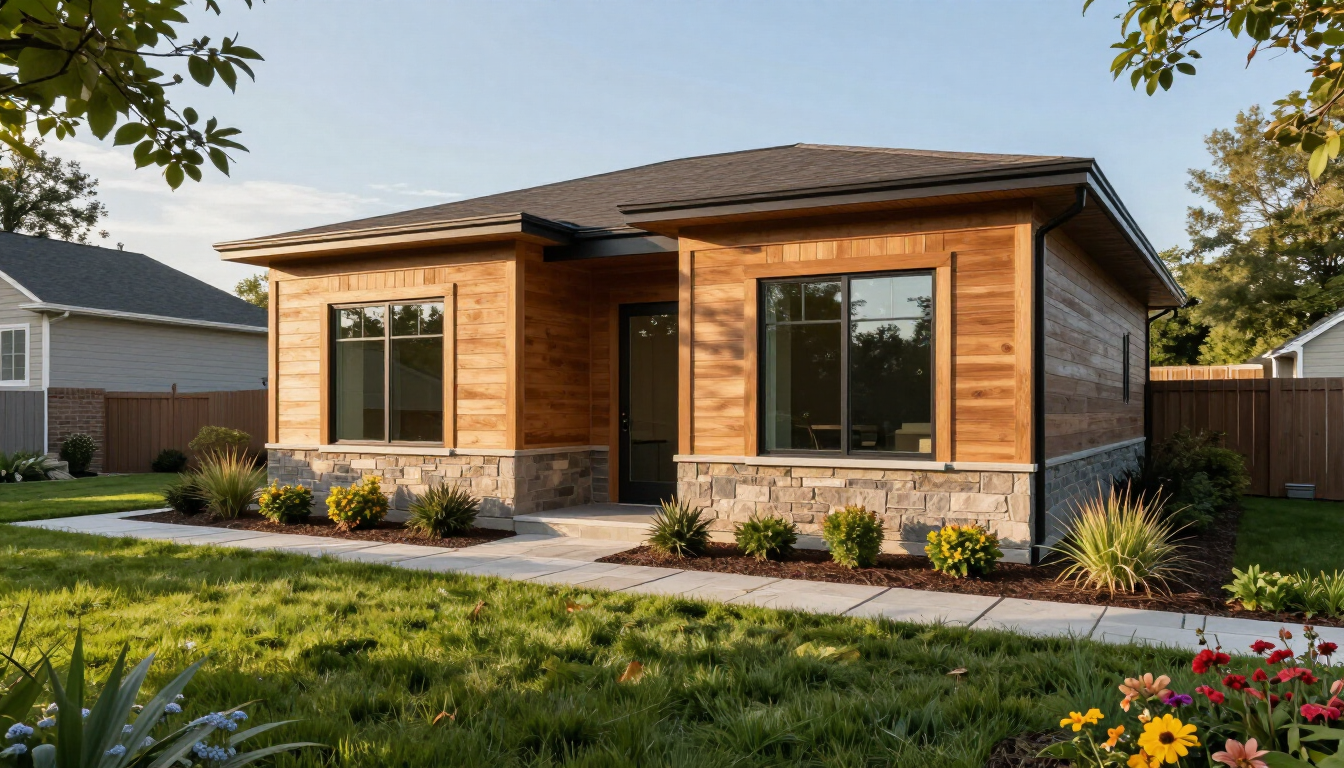
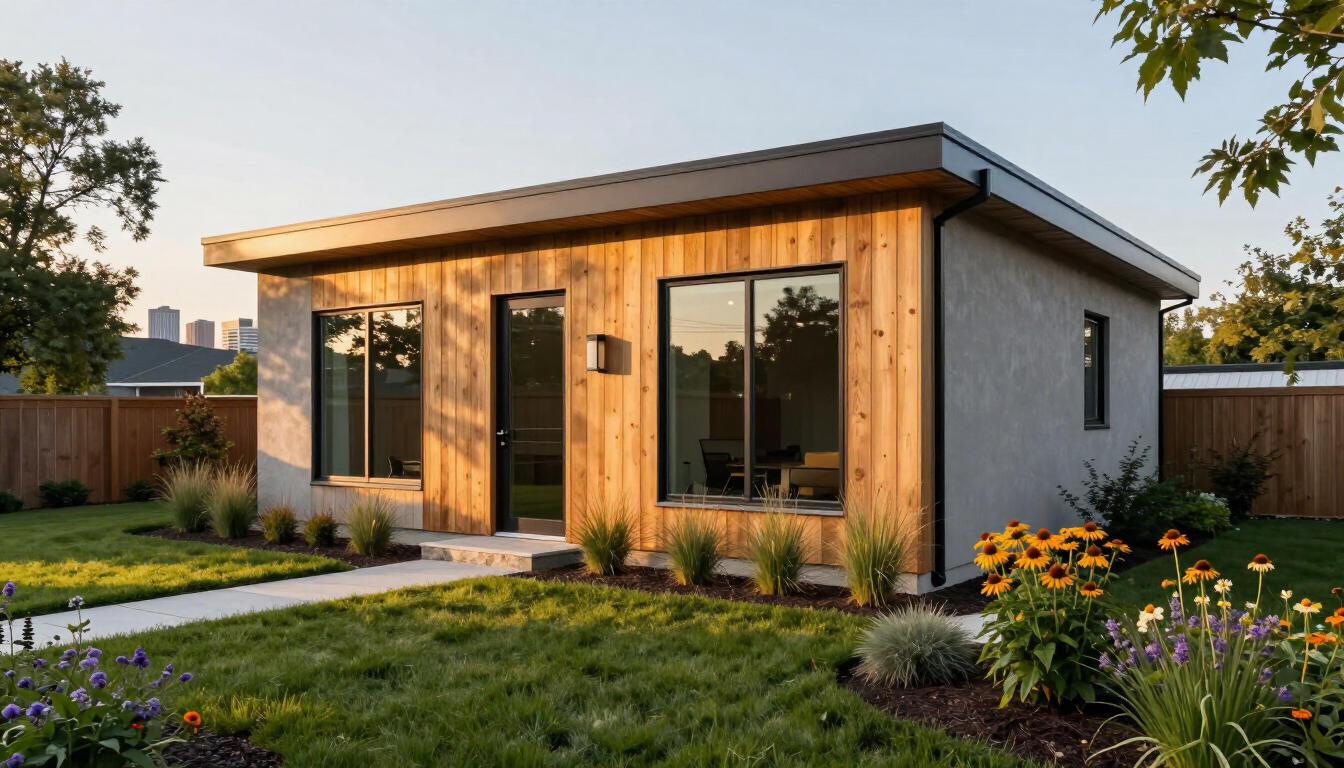
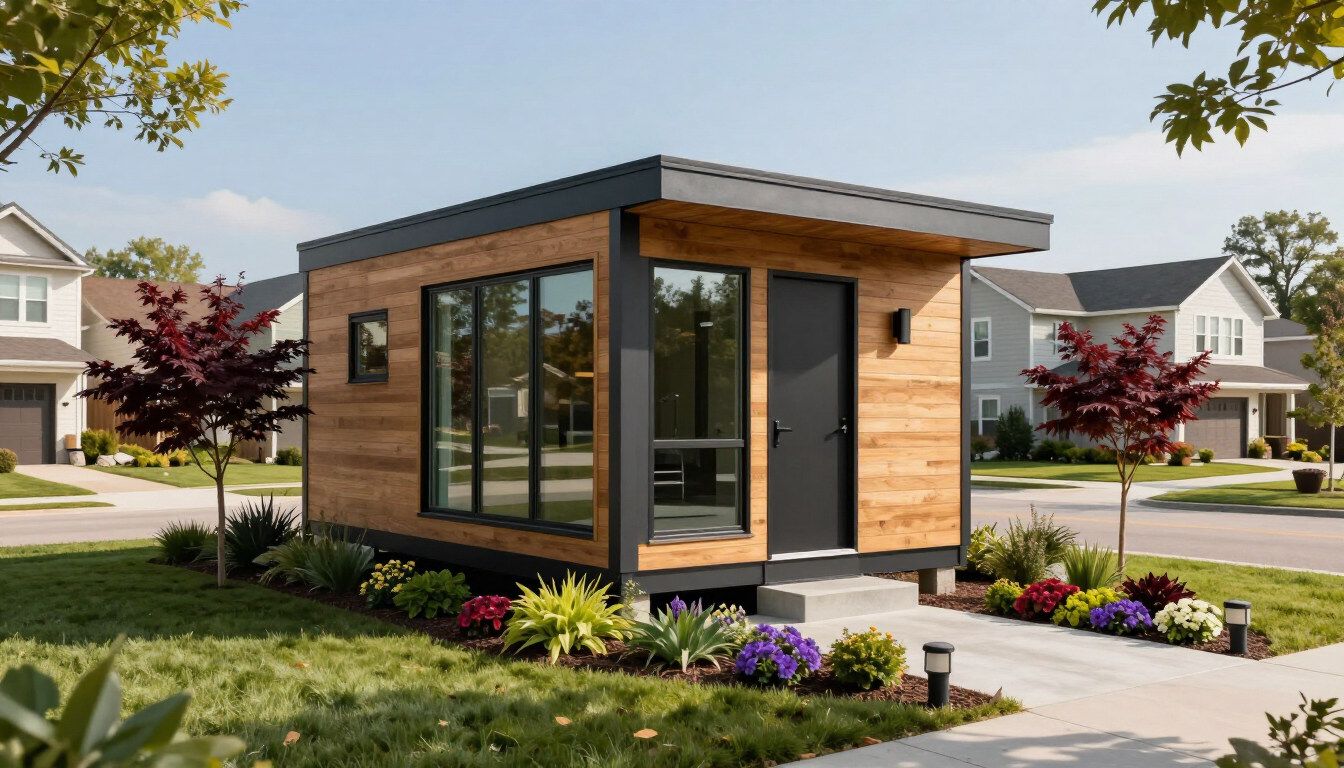
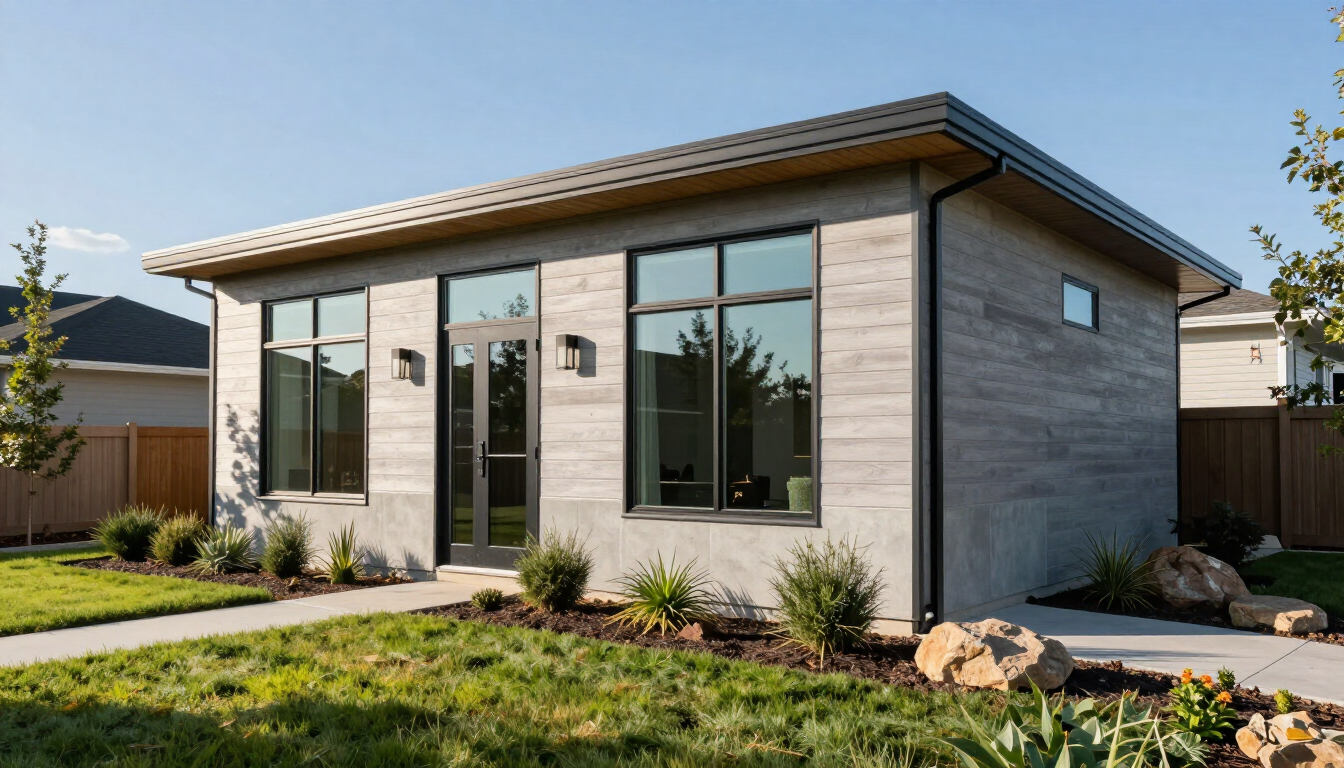
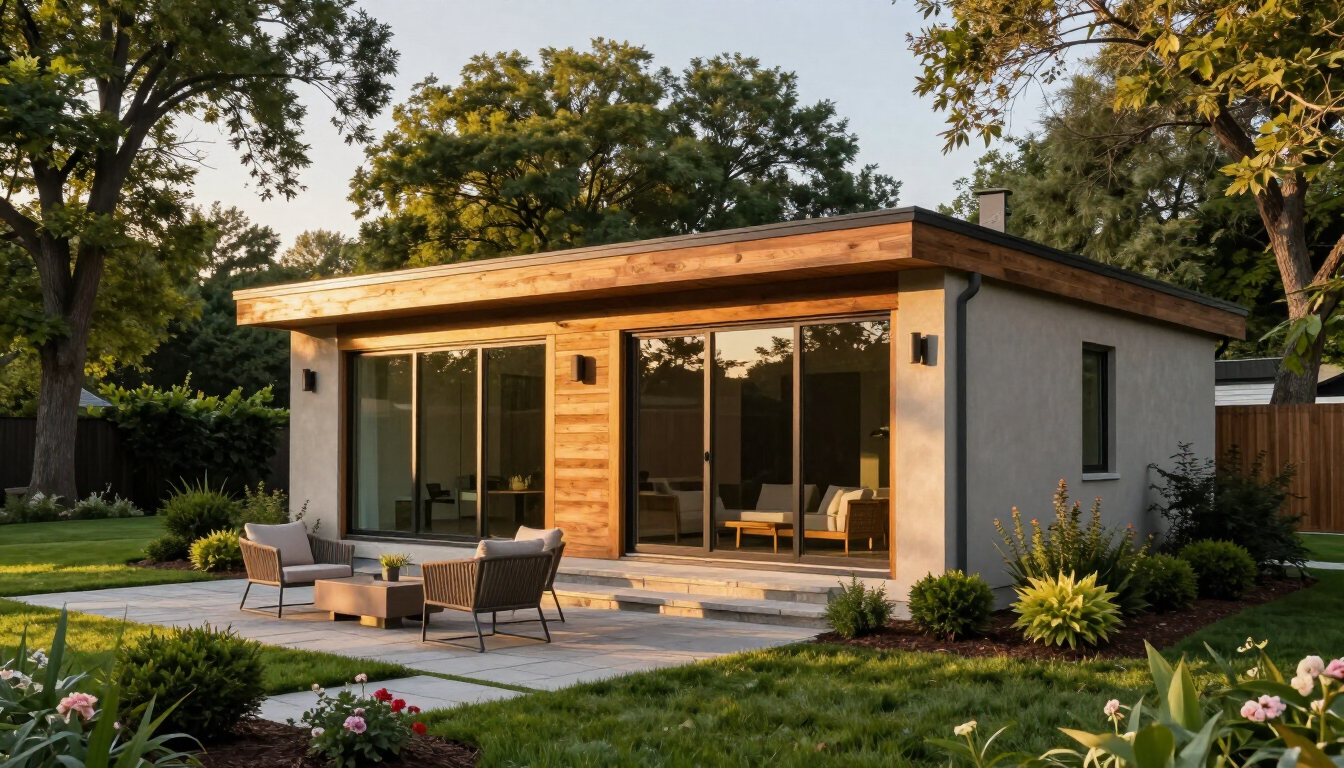
Modern Backyard ADU

How does a construction loan work for an ADU?

Construction loans are slightly different from standard home loans because they are based on the future value of the property. For many homeowners, this is the key to unlocking the budget needed for a high-quality build. The lender looks at your current home, reviews the plans for the new unit, and estimates what the total property will be worth once the unit is complete.

These loans are typically "interest-only" during the construction phase. This means while Tiny Terra Homes is on-site building your new unit, you are only paying the interest on the funds that have been disbursed to the builder. Once the project is finished, the construction loan is usually converted into a traditional mortgage or rolled into your existing home loan.

Key features of construction loans include:

  • Draw schedules based on project milestones
  • Requirement for detailed builder contracts
  • Appraisals based on "as-completed" value
  • Stricter oversight from the lending institution
  • Higher interest rates than standard mortgages

Because we offer build-to-order tiny homes , having a clear contract and professional plans is essential for your lender to approve a construction loan. We work closely with our clients to provide the documentation needed for these approvals.

Strategic Benefits of ADU Investment

Investing in an ADU is not just about finding a place for a family member to stay; it is a strategic financial move. By choosing to finance an ADU rather than paying cash, you keep your liquidity for other investments while the property itself generates value. In many cases, the monthly rental income from an ADU can completely cover the loan payment used to build it.

Consider the "house hacking" potential. If your monthly financing cost is $800 but the unit rents for $1,400, you are generating $600 in monthly cash flow. Over time, as the loan is paid down and property values rise, the return on investment (ROI) becomes even more significant. This is why many investors are looking toward backyard units as a primary way to diversify their portfolios in the KC Metro.

Is a cash-out refinance a good idea in 2026?

A cash-out refinance involves replacing your current mortgage with a new, larger loan and taking the difference in cash. This was a go-to strategy for years when interest rates were at historic lows. However, in the current market, you must weigh the benefit of the cash against the potential of losing a low interest rate on your primary mortgage.

If your current mortgage rate is significantly lower than today’s market rates, a cash-out refi might not be the most cost-effective way to finance an ADU. In that scenario, a "second position" loan like a HELOC is usually better because it leaves your original low-rate mortgage untouched. However, if you already have a higher rate or need to consolidate other debts alongside the ADU build, a refinance can simplify your finances into one single monthly payment.

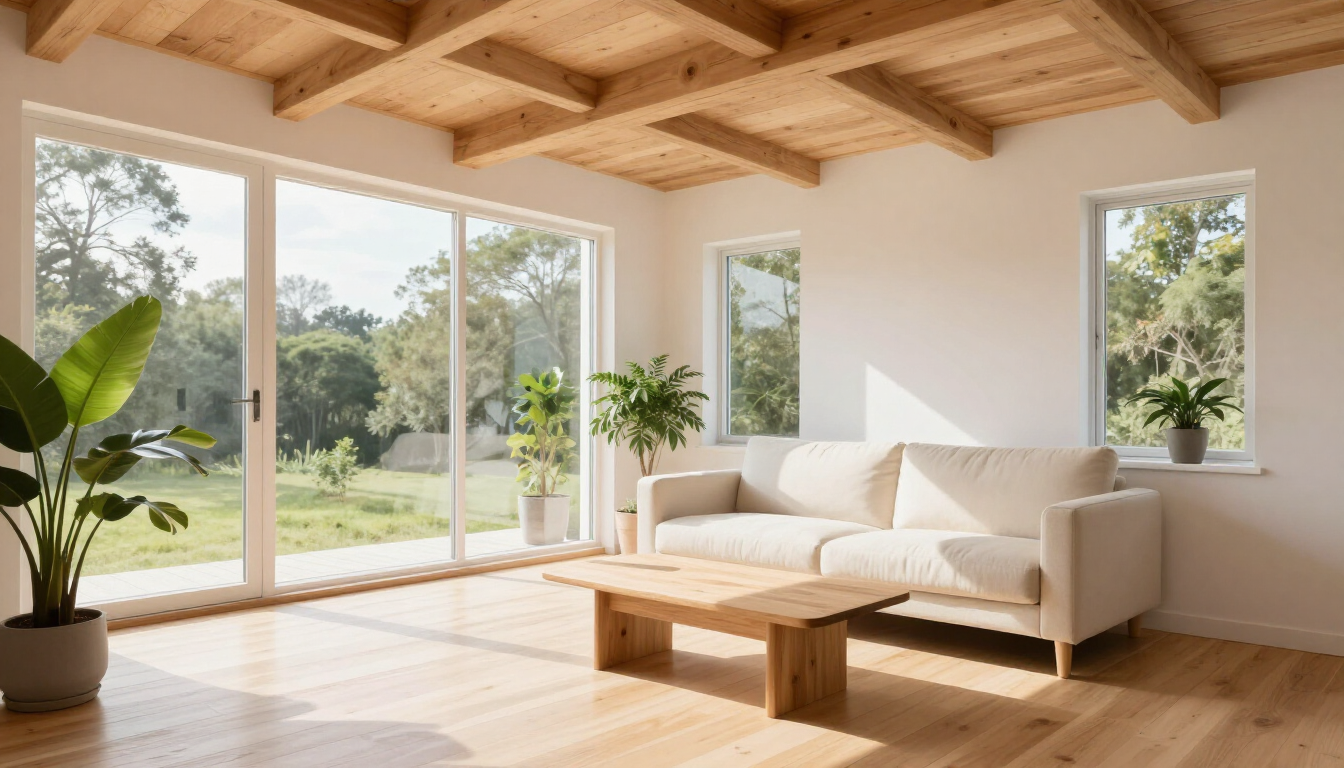
Interior of a cozy ADU

How do personal loans compare for smaller builds?

For smaller projects or those who need funds extremely fast, personal loans are an alternative. These are unsecured, meaning they are not tied to your home’s equity. The approval process for a personal loan can take as little as 24 to 48 hours, which is much faster than the 30-45 days required for equity-based products.

The trade-off for speed and lack of collateral is a higher interest rate and shorter repayment terms. While a HELOC might have a 20-year term, a personal loan might only give you 5 to 7 years to pay it back. This can result in much higher monthly payments. We typically see personal loans used for smaller pricing packages or to cover the final "finishing touches" of a project that went slightly over budget.

Are there specific grants for ADUs in Kansas City?

While traditional grants are rare, some local municipalities in the Kansas City Metro are beginning to explore incentives for ADUs to address housing shortages. It is always worth checking with your specific city planning department (whether in KCMO, Overland Park, or Lee's Summit) to see if there are any specialized programs for "affordable housing" units.

Some things to look for include:

  • Property tax abatement programs
  • Utility hookup fee waivers
  • Reduced permit fees for ADUs
  • Low-interest loan programs for senior housing
  • Zoning incentives for accessory units

Even if a direct grant isn't available, saving $5,000 on permit fees or taxes can significantly lower the amount you need to finance. At Tiny Terra Homes, we stay updated on local zoning and permit requirements to help you navigate these potential savings.

Steps to Secure Your ADU Loan

Before you walk into a bank, you need to have your ducks in a row. Lenders are more likely to approve your application if you present a professional plan. Financing an ADU is a collaborative effort between you, your builder, and your bank.

  1. Get a rough quote to understand your budget range.
  2. Check your credit score and current equity.
  3. Consult with a lender specializing in renovation or construction loans.
  4. Obtain a formal contract and floor plan from your builder.
  5. Complete the appraisal and underwriting process.

By following these steps, you ensure that you don't overextend yourself financially. We recommend starting with a formal quote so you have an accurate number to take to your loan officer. Having a realistic price range prevents the frustration of falling in love with a design that exceeds your borrowing capacity.

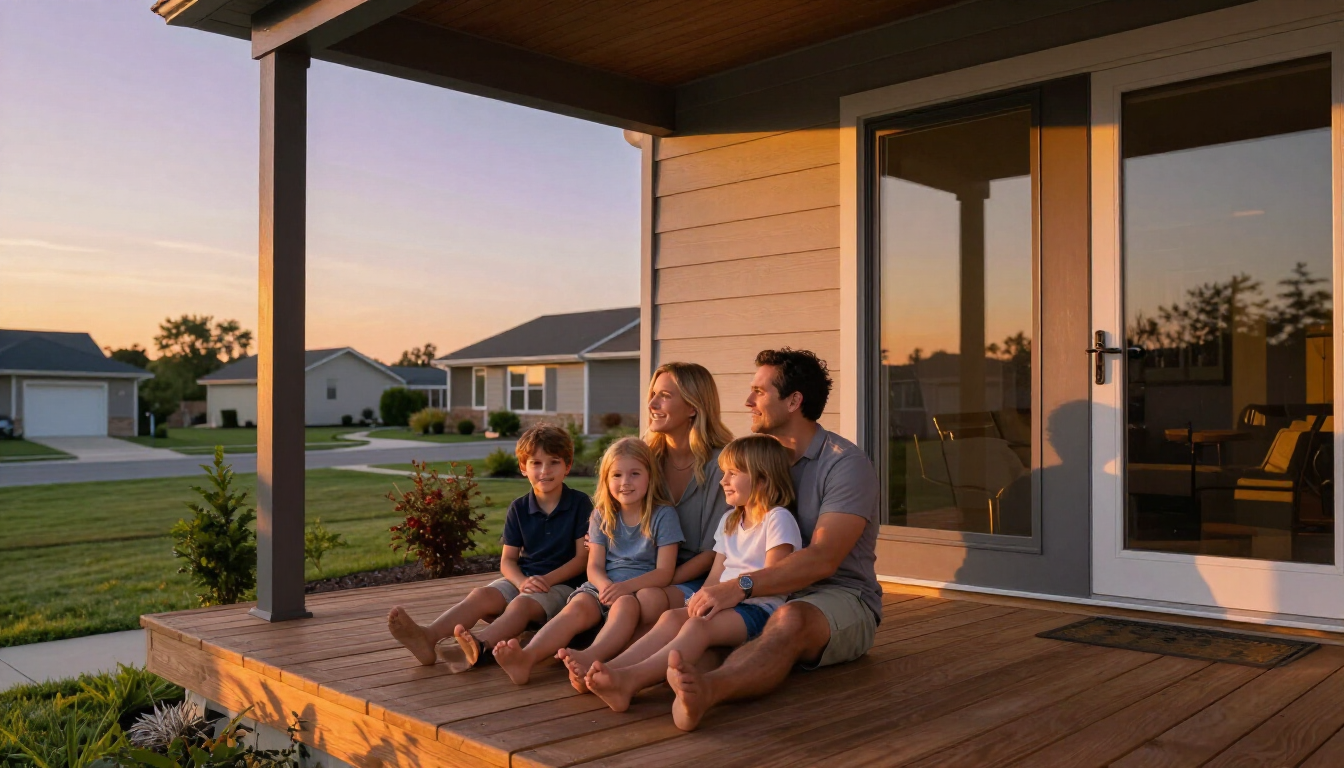
Happy family in backyard

How much does financing an ADU actually cost monthly?

The monthly cost of your ADU depends entirely on the interest rate and the term of the loan. For example, a $100,000 loan at a 7% interest rate over 20 years might cost roughly $775 per month. If that same unit generates $1,200 in monthly rent, the unit is "self-funding" and actually putting money back into your pocket every month.

When calculating your costs, don't forget to include:

  • Principal and interest payments
  • Potential increases in property taxes
  • Homeowners insurance adjustments
  • Maintenance reserves for the new unit
  • Utility costs (if not billed separately)

Many of our clients find that the increase in property value far outweighs the interest paid over the life of the loan. In the Kansas City Metro, where the demand for flexible housing is skyrocketing, an ADU is one of the few home improvements that consistently adds more value than it costs to build.

Essential Takeaways for ADU Financing

Financing an ADU without a massive cash pile is not only possible but often the smarter financial move. By leveraging equity or construction-specific loans, you can build a high-quality unit that serves your family’s needs while simultaneously building long-term wealth. Whether you are housing an aging parent or looking for rental income, the right financing strategy makes the project accessible today rather than years in the future.

  • Evaluate Equity: Check your current home value to see if a HELOC or Home Equity Loan is viable.
  • Plan Ahead: Get a professional quote early to provide your lender with accurate project costs.
  • Think ROI: Remember that rental income or saved assisted living costs can offset your monthly loan payments.
  • Consult Experts: Work with builders like Tiny Terra Homes who understand the KC Metro market and zoning.

Ready to see what's possible for your backyard? Request a quote today or browse our available models to start your journey toward a custom-built ADU in the Kansas City Metro area.

Recent Posts

Modern ADU in Kansas City backyard
May 26, 2026
Wondering if an ADU is a good investment? Learn how Kansas City homeowners use ADUs for rental income, property value, and family housing to achieve ROI.
Cozy modern ADU interior suitable for seniors
May 26, 2026
Discover why an ADU is the perfect solution for aging parents in Kansas City. Learn about benefits, senior-friendly designs, and build-to-order pricing.
Detailed view of ADU utility connections in a backyard setting.
May 24, 2026
Planning an ADU in Kansas City? Learn the real cost of utilities, from connection fees to monthly bills. Get a clear breakdown for your backyard project.
A modern custom ADU in a residential backyard in Kansas City.
May 24, 2026
Compare shell, hybrid, and turnkey ADU build options in Kansas City. Learn which accessory dwelling unit choice fits your budget, timeline, and DIY skills.
A modern accessory dwelling unit in a residential backyard.
May 21, 2026
Wondering if you can build an ADU in your backyard? Check our 2026 Kansas City checklist for zoning, costs, and build-to-order tiny home tips.
Modern ADU in a Kansas City backyard setting.
May 21, 2026
Discover the breakdown of ADU cost in Kansas City for 2026. From permits to construction, learn what to budget for your backyard home or tiny house project.