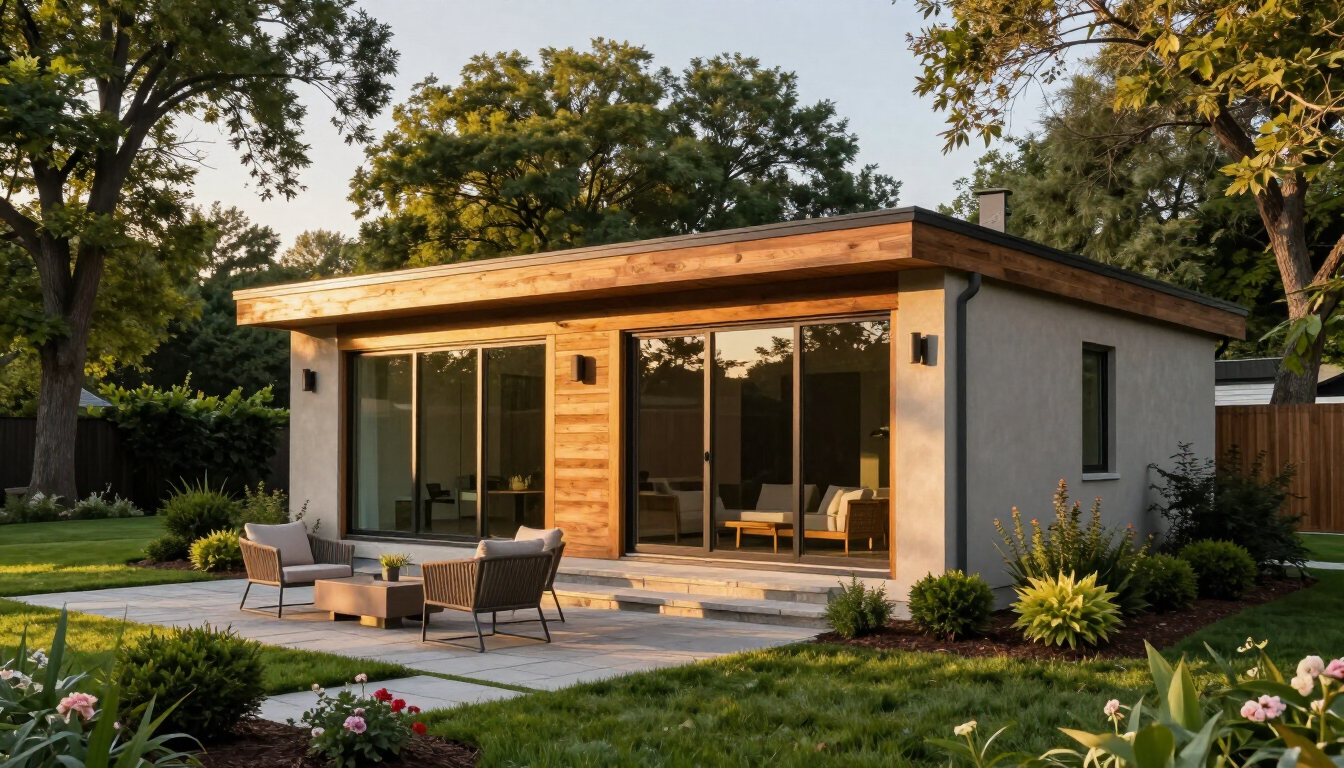
Cost of Utilities for an ADU: Kansas City Budget Guide

May 21, 2026

Share this article

The cost of utilities for an ADU typically ranges from $10,000 to $30,000 for initial site preparation and connections, depending on the distance from existing municipal lines. Monthly operational costs generally add between $100 and $200 to your household expenses for electricity, water, and sewer services.

Planning for a backyard cottage or an accessory dwelling unit (ADU) in the Kansas City Metro involves more than just picking out floor plans and finishes. One of the most critical—and often overlooked—components of your budget is the utility infrastructure. Because these units are independent living spaces, they require their own dedicated or branched connections to power, water, and waste management systems. Whether you are building a sanctuary for an aging parent or a rental unit for extra income, understanding these technical requirements upfront is the key to avoiding expensive surprises during construction.

How much does it cost to connect utilities to an ADU?

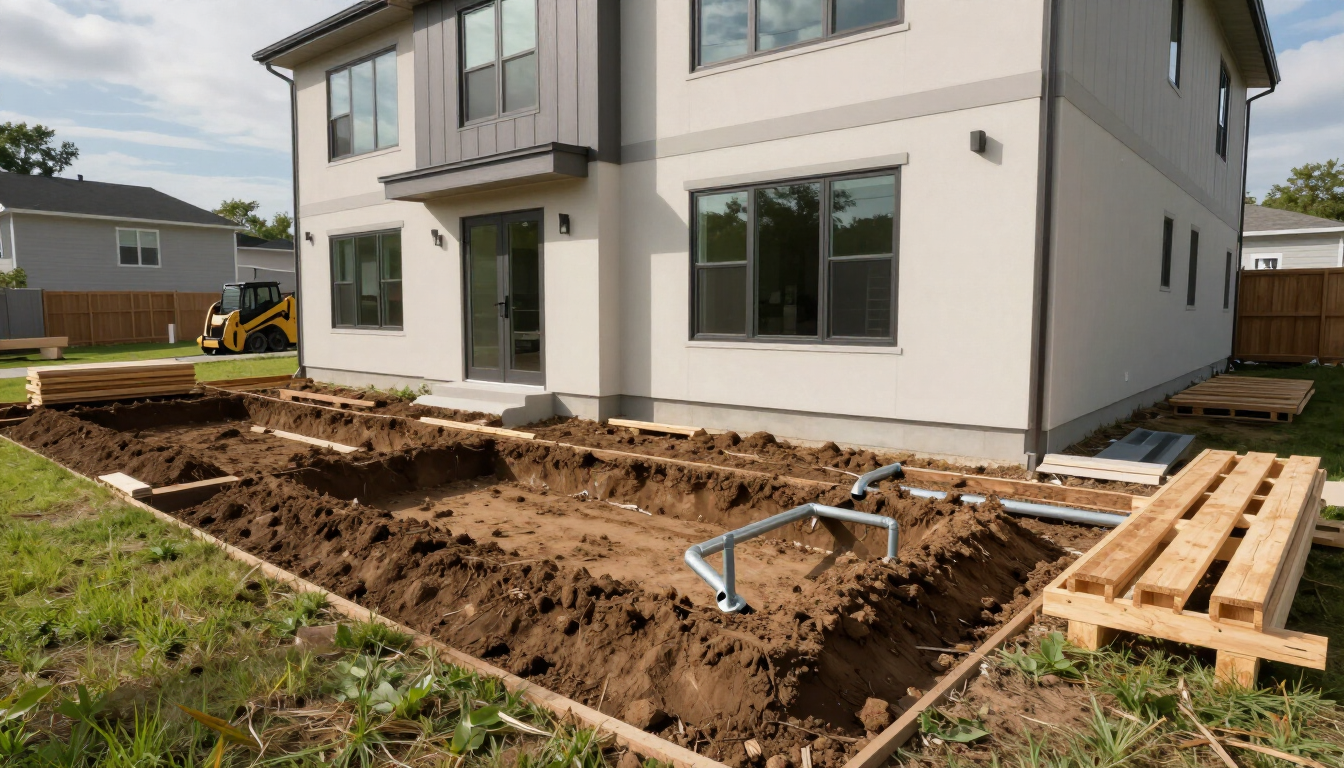
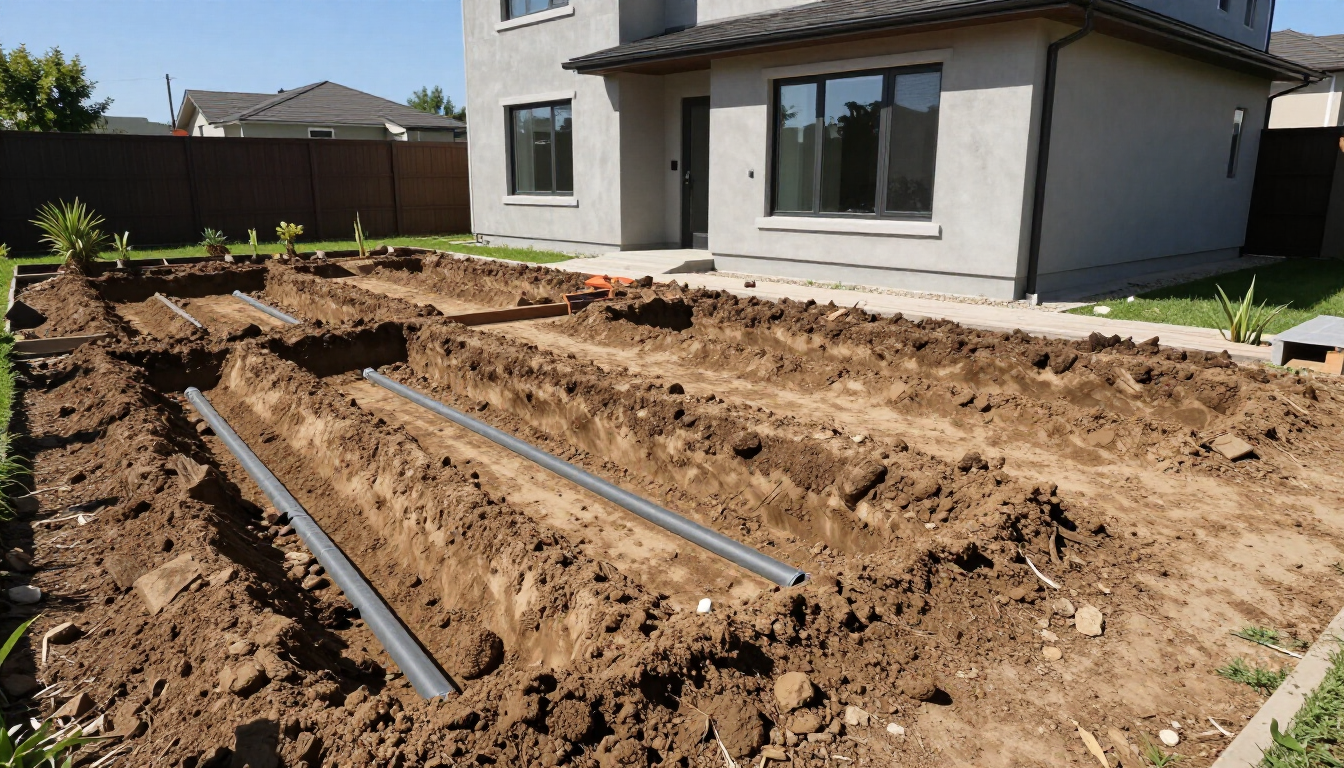
Connecting a new structure to the grid isn't as simple as plugging in an extension cord. The primary cost of utilities for an ADU stems from the physical labor and materials required to trench lines from the main house (or the street) to the new unit. On average, homeowners in the KC Metro area should budget for the following connection expenses:

  • Trenching and Excavation: $1,500 – $5,000 (depending on soil type and distance).
  • Water Line Extension: $2,000 – $4,500.
  • Sewer or Septic Tie-in: $3,000 – $8,000.
  • Electrical Sub-panel and Wiring: $2,500 – $6,000.
  • Gas Line (Optional): $1,500 – $3,000.

These figures vary significantly based on your specific property layout. For instance, if your ADU is located 100 feet from the main house, the cost of copper piping and heavy-duty electrical conduit will be substantially higher than if the unit is only 20 feet away. Additionally, if your yard has heavy rock deposits—common in parts of Missouri—excavation costs can climb quickly.

ADU Construction Site Utilities

What factors influence the cost of ADU utility connections?

Several variables dictate whether your utility setup will be on the lower or higher end of the price spectrum. At Tiny Terra Homes, we emphasize a thorough site assessment early in the process to identify these factors.

Distance from Main Connections

Distance is the single largest driver of cost. Every foot of distance requires more material (conduit, pipe, wire) and more hours of machine operation for trenching. If your property is expansive and you want the ADU tucked away in a far corner, expect to pay a premium for that privacy.

Existing Capacity of Your Home

Your current electrical panel must be able to handle the additional load of a second dwelling. Many older homes in Kansas City have 100-amp or 150-amp service. Adding an ADU with an electric stove, water heater, and HVAC system often requires an upgrade to a 200-amp or 400-amp panel. This upgrade alone can add $2,500 to $4,000 to your project.

Local Permitting and Impact Fees

Each municipality in the KC Metro area—from Overland Park to Lee’s Summit—has its own set of rules regarding "impact fees." These are one-time charges levied by the city to offset the additional strain on public infrastructure. Some cities treat ADUs as part of the primary residence, while others view them as separate dwellings, triggering higher fees. You can explore our Pricing & Packages to see how we help navigate these local requirements.

Breakdown of Water and Sewer Connection Fees

Water and sewer are the "heavy lifters" of ADU utilities. In most backyard projects, you have two choices: branching off the existing house lines or running a brand-new tap to the city main.

  1. Branching (Common): Most homeowners choose to tap into the existing water and sewer lines of the primary house. This is generally cheaper but requires the existing lines to be in good condition and of sufficient diameter to support the increased flow.
  2. New Street Tap (Rare/Expensive): If the city requires a separate address and separate billing for the ADU, you may need a new tap at the street. This can cost upwards of $10,000 because it involves cutting into the public road and installing new meters.

For those looking for visual inspiration of how these units look once the messy utility work is done, our Project Gallery showcases finished builds where all those pipes and wires are safely hidden beneath beautiful finishes.

How do you handle electrical and gas for a backyard home?

When it comes to powering your ADU, the modern trend is moving toward "all-electric" builds. This is often more cost-effective because it eliminates the need for a separate gas line, which carries its own set of safety regulations and installation hurdles.

The All-Electric Advantage

By using high-efficiency heat pumps (mini-splits) for heating and cooling, and electric tankless water heaters, you can significantly reduce the complexity of the build. This simplifies the cost of utilities for an ADU by consolidating everything into a single electrical sub-panel.

Sub-metering vs. Master-metering

If you plan to rent out your ADU, you need to decide how to bill for electricity:

  • Master-metering: The ADU power runs through your main meter. You include utilities in the rent or estimate the usage.
  • Sub-metering: You install a private meter on the ADU. This allows you to see exactly how much power the tenant uses, making it easier to charge them accurately without the massive expense of a second city-owned meter.

Monthly Utility Expenses: What should you expect?

Once the unit is built, the ongoing monthly cost is remarkably low compared to a standard home. Because ADUs are smaller—typically between 400 and 800 square feet—they are much easier to heat and cool.

  • Electricity: $60 – $120/month (assuming high-efficiency HVAC).
  • Water/Sewer: $30 – $50/month (depending on occupancy).
  • Trash/Internet: Often shared with the main house at little to no extra cost.

High-quality insulation and modern windows are essential for keeping these costs down. At Tiny Terra Homes, we focus on build-to-order units that prioritize energy efficiency, ensuring your long-term ROI stays high. You can view our different Models to see how various sizes impact energy needs.

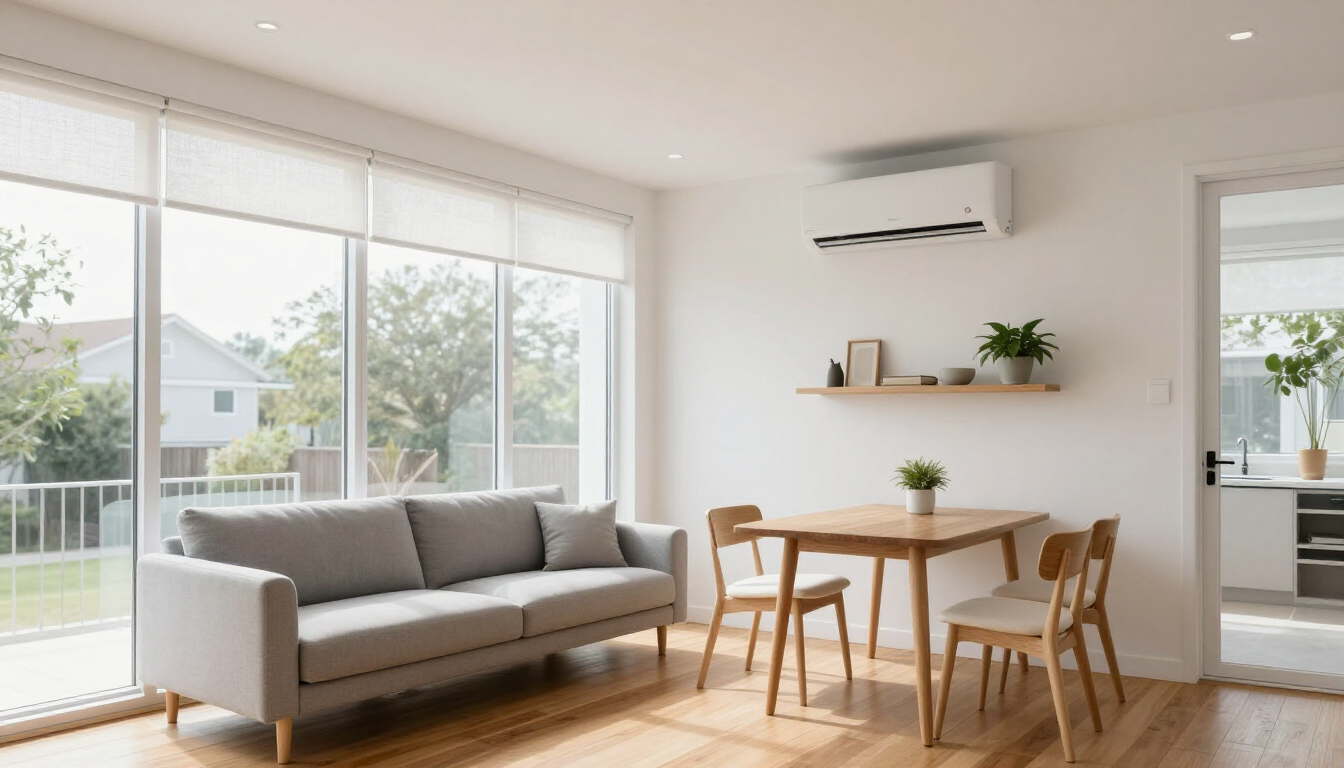
Interior of a modern energy efficient ADU

Ways to Save Money on ADU Utility Installation

While utility costs are a necessary investment, there are strategic ways to keep them under control. Planning is your best friend when it comes to the budget.

Consolidate the

Recent Posts

A modern custom ADU in a residential backyard in Kansas City.
May 21, 2026
Compare shell, hybrid, and turnkey ADU build options in Kansas City. Learn which accessory dwelling unit choice fits your budget, timeline, and DIY skills.
A modern accessory dwelling unit in a residential backyard.
May 21, 2026
Wondering if you can build an ADU in your backyard? Check our 2026 Kansas City checklist for zoning, costs, and build-to-order tiny home tips.
Modern ADU in a Kansas City backyard setting.
May 21, 2026
Discover the breakdown of ADU cost in Kansas City for 2026. From permits to construction, learn what to budget for your backyard home or tiny house project.